Skip to content

Supply Chain · Technology · Warehousing & Transport

Ports Reopen as Unions Warn of Contract Negotiation Risks

Container Handling Resumes at Dozens of East Coast and Gulf Ports Following Brief Dockworker Strikes as ILA and Shipping Lines Prepare for Negotiations

Original source: Source information pending

Ports Reopen as Unions Warn of Contract Negotiation Risks

Ask SCI.AI about this story

📋 本文要点

Container Handling Resumes at Dozens of East Coast and Gulf Ports Following Brief Dockworker Strikes as ILA and Shipping Lines Prepare for Negotiations

Dockworkers have resumed work at ports along the East Coast and Gulf of Mexico, but their union has warned that major issues related to automation still need to be negotiated before the extension of the current contract expires in early 2025.

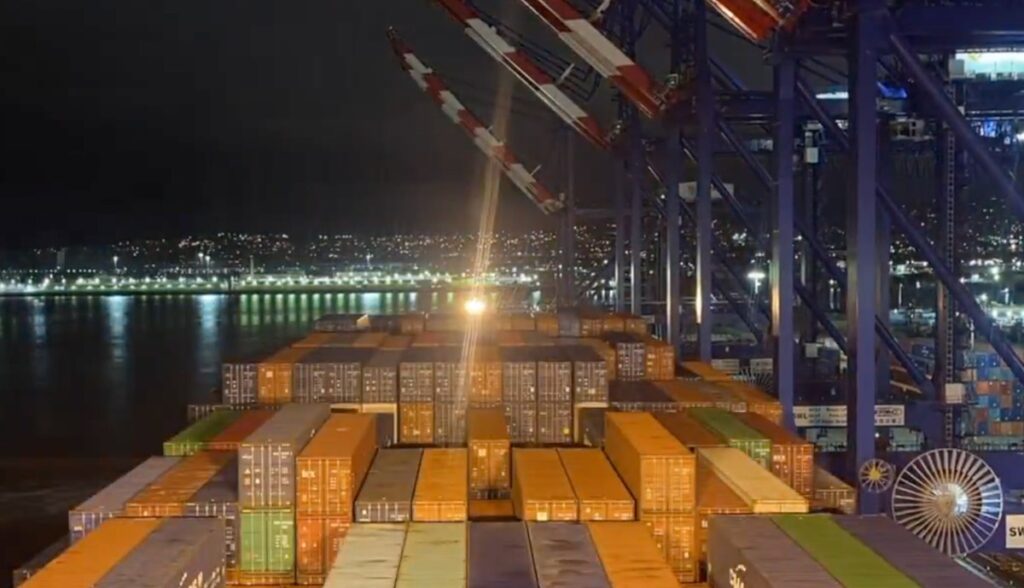
After a three-day strike by the International Longshoremen’s Association (ILA) involving its 45,000 members brought imports to a standstill and forced dozens of ships to anchor outside maritime gateways from New England to Texas, major terminals reopened on Sunday to help restart container handling operations.

If the strike had lasted for a week, up to one million TEUs could have been stranded outside the ports.

The ILA suspended its strike late Thursday night, agreeing temporarily to a 62% wage increase deal with port employers represented by the United States Maritime Alliance (USMX). With assistance from Biden administration officials, both sides also agreed to extend the main contract until January 15 and resume negotiations for a new six-year agreement. The contentious issues include benefits, container bonuses, and the union’s insistence on banning automation technology at 14 of the 36 container handling centers across ports.

“Although securing significant wage increases is an important part of the contract, we must also protect our historic work jurisdiction from being replaced by automation,” said Union President Harold Daggett in a message to members posted on the union’s website.

Dock operators and shipping companies represented by the USMX stated that they have reached agreements with the union on technological issues.

Approval of the new contract by all ILA members is not certain; in September, 33,000 Boeing workers rejected a tentative agreement with the largest aerospace company in the United States.

—

Source: FreightWaves
Ask SCI.AI Finished reading? Continue with SCI.AI. Explore the related policy, route, company and historical context. Continue asking
Stay ahead of supply chain shifts

One email a week: the stories that matter and new risk events — in English, free.

Prefer RSS? Articles Risk events

Xeneta: Asia-US West Coast spot rates jump 343% on Iran war
Warehousing & Transport

Xeneta: Asia-US West Coast spot rates jump 343% on Iran war

Asia-U.S. West Coast container spot rates were 343% above their February 28 level in October, just 14% below the pandemic-era record, according to freight-rate intelligence provider Xeneta. The company forecasts a 5% decline in long-term contract rates for 2027, with the global container fleet expected to grow 6.8% while demand rises between 2.5% and 4%. Xeneta chief analyst Peter Sand traces the volatility to the Red Sea conflict in 2024, U.S. tariffs in 2025 and the Strait of Hormuz closure in 2026, and warns that fuel costs and route disruptions could still upend the outlook.

AI hardware demand lifts air cargo rates 30% year over year
Warehousing & Transport

AI hardware demand lifts air cargo rates 30% year over year

Air cargo rates are up 30% year over year and volumes have grown about 6%, according to FreightWaves, as surging AI equipment demand offsets slower e-commerce and automotive flows. The strength has defied forecasts of a 2025 softening after a down 2024. Meanwhile, Walmart is deploying Wing and Zipline drones across nearly 300 stores; Zipline raised $1.5 billion and Wing plans a $125 million Texas factory ahead of anticipated FAA beyond-line-of-sight rules.

Truckload rejections hold at 12.8% as peak season stalls
Risk & Resilience

Truckload rejections hold at 12.8% as peak season stalls

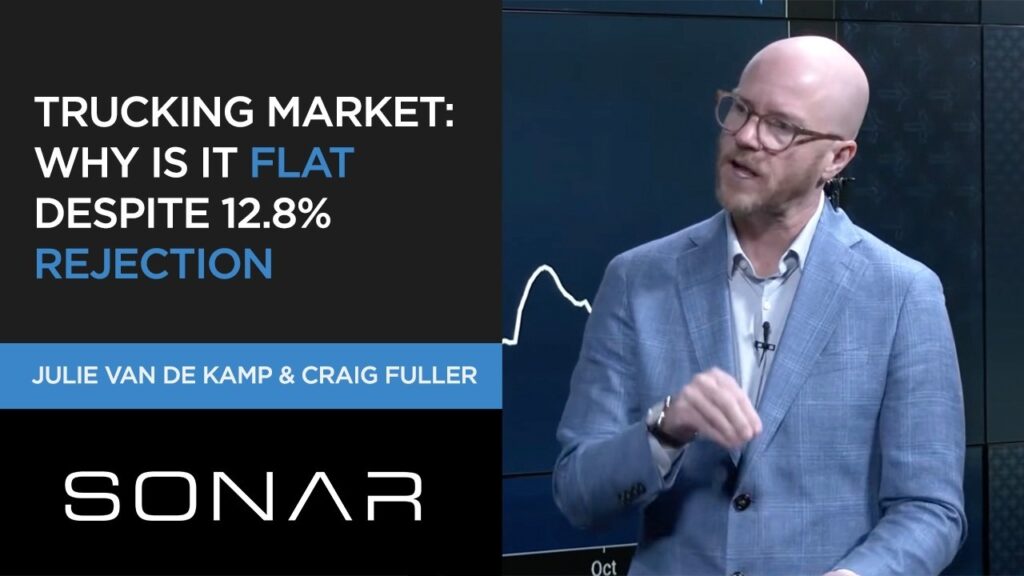
Truckload tender rejections are holding near 12.8%, roughly double the 6% recorded a year earlier, yet FreightWaves analysts Julie Van de Kamp and Craig Fuller say the market shows little of the tightening momentum normally seen ahead of peak season. The rejection index has slipped only about one percentage point in 20 days, even as November's Outbound Tender Volume Index averages 11,434, up 12% year over year and 3% from October. Refrigerated freight is the exception, with reefer rejections at 21% versus 12.6% last year, and a super El Niño could add further pressure on reefer capacity this winter.

Welcome Back!

Login to your account below

Create New Account!

Fill the forms below to register

Retrieve your password

Please enter your username or email address to reset your password.

Scan to share via WeChat

Open WeChat and scan the QR code to share

QR Code

Add New Playlist