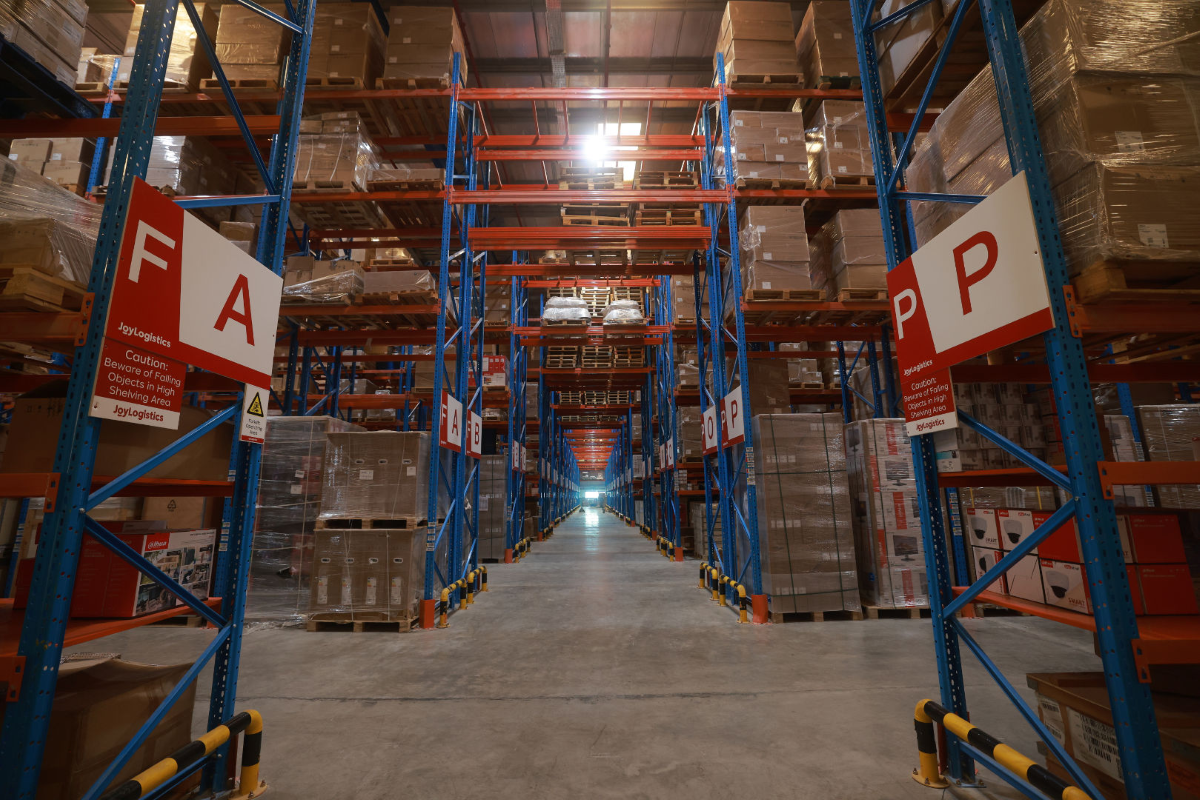
According to www.cbnme.com, Saudi Transport Minister Saleh Al-Jasser has announced a coordinated set of logistics initiatives to deepen supply chain integration across the Gulf Cooperation Council (GCC) and reinforce Saudi Arabia’s position as a global logistics hub.
Core Policy Measures
The new framework—unveiled during a virtual meeting of GCC transport ministers—includes seven concrete operational adjustments designed to improve trade continuity, reduce transit friction, and enhance multimodal flexibility. These measures reflect Saudi Arabia’s broader Vision 2030 logistics pillar, which targets raising the country’s Logistics Performance Index (LPI) ranking and growing non-oil export capacity.
- Extending the permissible operational lifespan of trucks in GCC cross-border freight to 22 years
- Allowing empty GCC-registered trucks to enter Saudi Arabia specifically to carry outbound goods—removing prior restrictions that required loaded inbound trips
- Introducing dedicated support mechanisms for refrigerated cargo transport, including cold-chain infrastructure alignment and customs fast-tracking
- Launching a new storage and redistribution zone at King Abdulaziz Port in Dammam, with fee exemptions of up to 60 days for GCC-origin or GCC-destined containerized cargo
- Establishing new cargo corridors linking eastern Saudi ports (e.g., King Fahd Industrial Port in Jubail) to Jeddah Islamic Port on the Red Sea
- Expanding landing rights and slot allocations for all GCC-flagged flights across Saudi airports—including Riyadh, Jeddah, and Dammam—to strengthen air cargo connectivity
- Implementing temporary maritime exemptions and facilitating expanded shipping routes, alongside launching a new rail logistics corridor operated by Saudi Arabia Railways (SAR) to interconnect GCC ports
Operational Context for Supply Chain Professionals
These changes directly impact regional supply chain design. For practitioners managing GCC-based distribution networks, the 60-day port storage exemption lowers landed cost volatility and supports just-in-time inventory strategies for time-sensitive goods. The 22-year truck lifespan extension—aligned with GCC-wide vehicle age harmonization efforts launched in 2022—reduces fleet replacement pressure and improves asset utilization planning. Meanwhile, the SAR rail corridor, which began partial operations in Q1 2024, now connects Dammam, Riyadh, and Jeddah, enabling end-to-end rail-sea transfers for shippers moving between the Arabian Gulf and Red Sea corridors. This complements recent expansions by DP World (Jeddah Islamic Port Phase II) and AD Ports Group (Khalifa Port upgrades), reflecting a broader regional push toward multimodal redundancy amid Red Sea disruptions and rising global supply chain risk exposure.
Strategic Alignment and Industry Precedent
The initiative follows similar cross-border logistics harmonization moves: the UAE’s 2023 GCC Customs Union digital platform rollout, Qatar’s 2022 expansion of Hamad Port’s dry port services for landlocked GCC partners, and Bahrain’s 2023 regulatory easing for bonded warehousing. Collectively, these developments signal a shift from national port-centric models toward integrated, digitally enabled GCC logistics ecosystems. For global supply chain professionals, this means greater predictability in documentation, standardized inspection protocols, and reduced dwell times—particularly relevant for pharmaceuticals, perishables, and automotive components where temperature control and transit speed are mission-critical.
Source: www.cbnme.com
Compiled from international media by the SCI.AI editorial team.