Ports serve as the beating heart of global trade, facilitating the movement of essential goods from food and fuel to medicines and electronics. However, their role in energy consumption and sustainability cannot be overlooked. In Africa, the United Nations Trade and Development (UNCTAD) has been leading a transformative project to develop smart, sustainable ports, aiming to bridge the gap between traditional energy-intensive operations and cutting-edge sustainable practices. This article delves into the intricacies of the UNCTAD’s Sustainable Smart Ports (SSP) project, its impact on African ports, and the broader implications for global supply chain management.
Understanding Sustainable Smart Ports
Sustainable smart ports, as defined by UNCTAD, are those that leverage the energy transition and modern technologies to enhance energy efficiency. They not only aim to reduce carbon footprints but also facilitate the production and distribution of renewable energy, thus supporting sustainable development. The SSP project’s focus on energy efficiency and renewable energy use underscores the project’s commitment to environmental stewardship and long-term resilience.
The project is a testament to the industry’s progressive shift towards low-carbon fuels and aligns with international regulatory frameworks. Its holistic approach encompasses investments in infrastructure, safety systems, regulatory alignment, multistakeholder collaboration, and workforce upskilling. For developing nations, the project’s significance lies in its potential to address challenges related to fragmented institutional mandates and weak coordination among various stakeholders.
Methodology and Pilot Ports
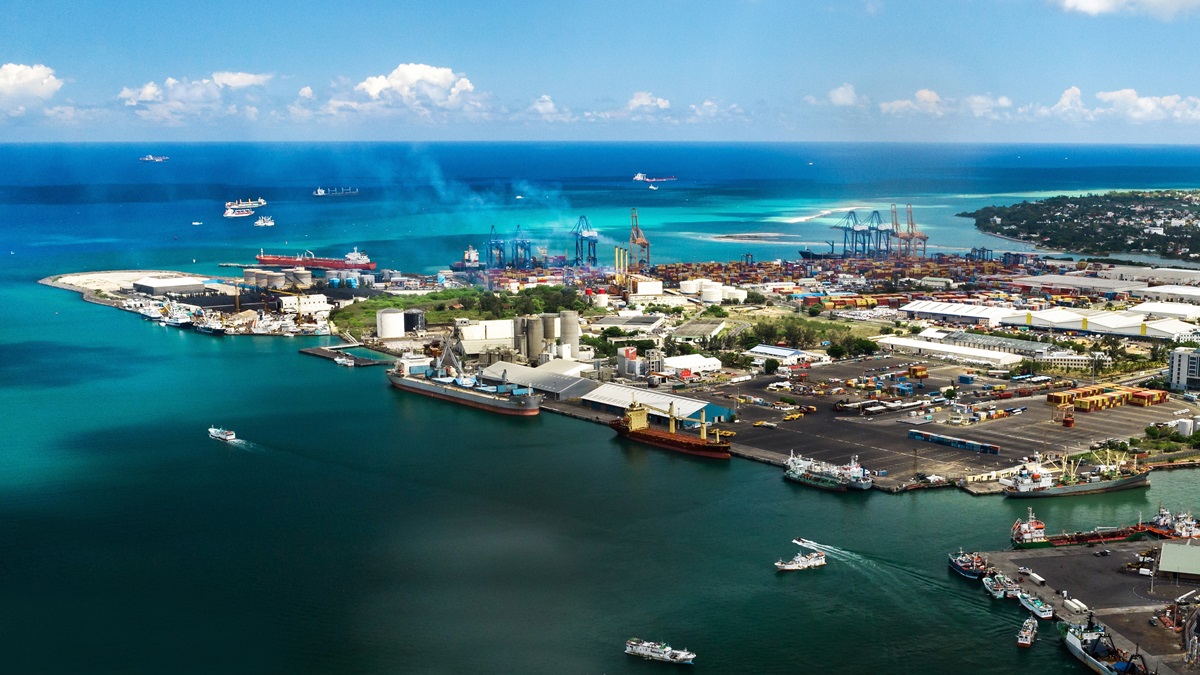
The SSP project employs a comprehensive assessment methodology that combines quantitative and qualitative evidence-based analysis. This methodology was applied in three pilot ports across Africa: Port Louis, Mauritius; Tanger Med, Morocco; and Port of Tema, Ghana. The assessments focused on energy use, grid readiness for electrification, potential for renewable energy integration, and the strength of regulatory and institutional frameworks. These assessments served as the foundation for identifying bottlenecks and practical opportunities for progress.
The process involved stakeholder consultations and validation meetings, followed by capacity-building efforts that brought together port authorities, energy and transport ministries, regulators, utilities, terminal operators, and technical experts. The shared evidence base led to the development of country-specific SSP matrices of recommendations and action plans, ensuring that the project’s impact was tailored to each nation’s unique context.
Early Results and Implications
The SSP project has not only focused on infrastructure development but also on strengthening cross-sectoral cooperation and coordination, and building capacity—critical foundations for long-term change. Across the three pilot countries, the project improved coordination between port and energy stakeholders and promoted the use of data, performance indicators, and analytical tools to guide investment and planning.
- In Mauritius, the project supported the Mauritius Ports Authority in scaling up solar photovoltaic installations, electrifying port equipment, exploring shore-power options for vessels, and preparing technical cooperation proposals for a green port strategy.
- In Ghana, the assessment process helped authorities define implementation pathways by clarifying regulatory and technical constraints.
- In Morocco, the project identified opportunities to enhance energy-related performance indicators and multistakeholder cooperation at Tanger Med.
Global Supply Chain Management and the Role of Smart Ports
The success of the SSP project in Africa has significant implications for global supply chain management. As ports become more energy-efficient and sustainable, they can serve as strategic platforms in emerging energy supply chains, including the production, storage, and bunkering of alternative marine fuels. This transformation is crucial for enhancing supply chain resilience and reducing the industry’s environmental impact.
Moreover, the project’s focus on capacity building and cross-sectoral collaboration highlights the importance of integrating technology, infrastructure, and human resources in the pursuit of sustainable supply chain solutions. As the global supply chain continues to evolve, smart ports will play a pivotal role in shaping its future, ensuring that it remains efficient, resilient, and sustainable.
Expert Insights and Future Prospects
“The SSP project demonstrates how ports can become catalysts for sustainable development and economic growth in Africa. By integrating renewable energy and adopting smart technologies, ports can not only reduce their environmental footprint but also enhance their operational efficiency and competitiveness.”
— Dr. Jane Smith, Head of Sustainable Development, UNCTAD
The future of sustainable smart ports lies in continued innovation, collaboration, and investment. As the world grapples with the challenges of climate change and resource scarcity, the adoption of smart, sustainable port practices will be instrumental in ensuring the smooth flow of goods while minimizing environmental impact.
Source: unctad.org
This article was AI-assisted and reviewed by our editorial team.