# P&SC Live Q&A: Chief Supply Chain Officer Hao Huang of Yum China
Author: [Tom Chapman]
September 30, 2024
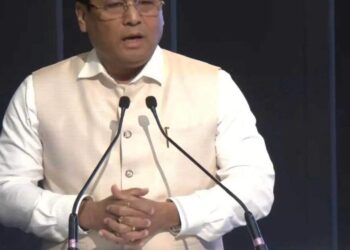
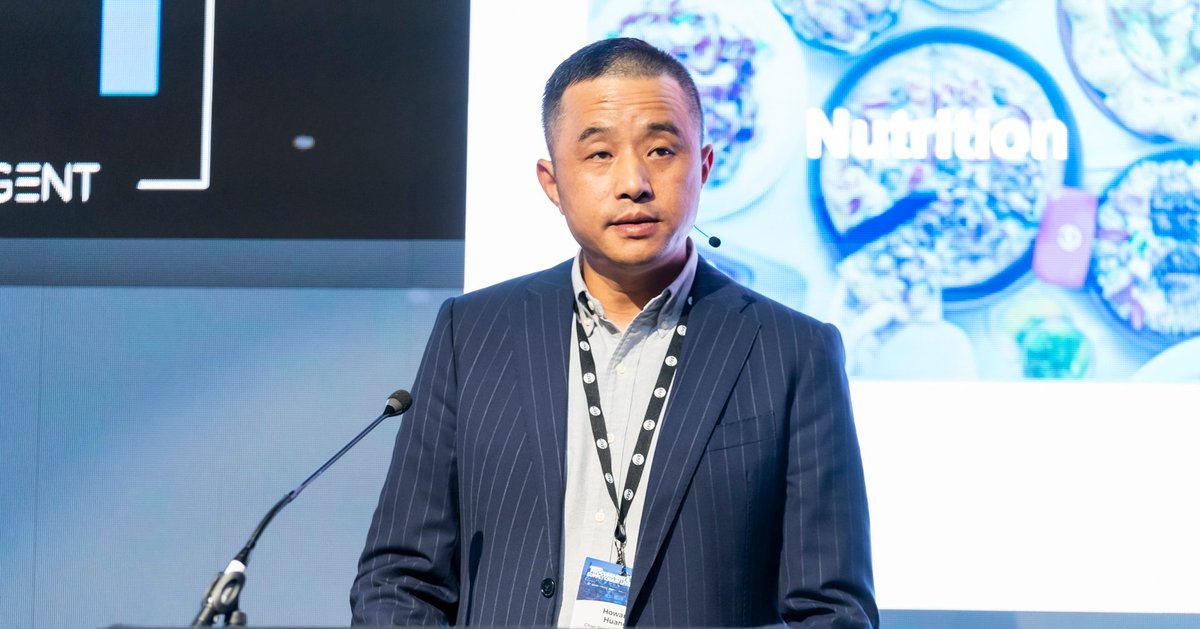
Hao Huang, Chief Supply Chain Officer at Yum China, was interviewed by *Supply Chain Digital* following his keynote speech at the Procurement and Supply Chain Summit held in London.
With a bachelor’s degree in Food Inspection and Quarantine from Anhui Agricultural University, Hao joined Yum Restaurants China in 1995. Over the years, he has progressed through various roles and was appointed Chief Supply Chain Officer of Yum China in November 2021.
Prior to his current role, Huang served as General Manager for KFC markets in Nanjing and Wuxi, and Vice President of Operations for Pizza Hut.
Following his keynote speech, Hao was interviewed by *Supply Chain Digital*, discussing how he leverages innovation and adaptability to ensure Yum China’s long-term supply chain success.
## Please introduce yourself and your role
I am Hao Huang, currently serving as the Chief Supply Chain Officer at Yum China. Yum China is the largest restaurant company in China with leading system sales and an operational network of over 15,000 outlets. We aim to open 20,000 stores by 2026. Our operations span over 2,000 cities and towns across China, featuring well-known Western brands such as KFC, Pizza Hut, and Taco Bell, along with Chinese cuisine brands like Little Sheep and Huang Ji Huang.
I have held various management positions at KFC before becoming the General Manager of the market, then transitioning to Operations Vice President at Pizza Hut. I became Chief Supply Chain Officer in 2021. My responsibilities encompass overseeing overall supply chain strategy, including food safety, procurement, food innovation, logistics, supply chain investment, sustainability, and central kitchens.
## What inspired you to enter the supply chain field? How has your perspective evolved over time?
The uniqueness of Yum China’s supply chain lies in its strong connection with agriculture, as we purchase large quantities of agricultural products annually, such as poultry and beef. My academic background is actually in agriculture, so my educational foundation naturally aligns with this role.
Moreover, while working in the operations departments at KFC and Pizza Hut, I was deeply involved in Yum China’s supply chain management. From a brand perspective, I closely collaborated with the supply chain team to build and develop our infrastructure from scratch. What does the brand need most? Efficiency.
We view the brand teams as our internal customers. The brands rely on various functions within the supply chain team for support. One of their favorite aspects is that we help them achieve synergies through an integrated supply chain solution. Therefore, our goal is to continue providing the most efficient and cost-effective supply chain solutions, striving to exceed the expectations of our internal clients and aiming to be the best in the industry.
I often believe that the supply chain is not just a cost center because we work with both internal customers and external partners. I require my team to maintain a ‘profit center’ mindset across all aspects. This is the only way for us to compete and continue winning in this highly dynamic and complex market.
## What innovations or trends are you most interested in within procurement and supply chain?
Managing our procurement and supply chain with a ‘profit center’ mindset. A ‘profit center’ mindset means being highly focused on efficiency at every stage of our workflow. We have already been doing this. For example, we use extensive artificial intelligence and automation in logistics to significantly improve efficiency.
We are developing a three-in-one supply model that consolidates bread production, fresh food preparation, and the logistics hub into one location. This will help us save substantial inbound costs. We also plan to explore an industrial park model where key leading suppliers establish their facilities adjacent to our logistics centers. In this model, we not only reduce inbound transportation costs but also lower inventory levels.
In product development, we have established a mechanism that fosters healthy competition among teams. For each product concept, there might be two or more teams developing simultaneously. Each team includes members from various parts of the workflow such as marketing, food innovation, and procurement. All products from these teams will be launched for testing, but ultimately only one winner will emerge based on test results like consumer preferences, popularity, or total product sales.
—
Source Website: