As supply chains across North America face unprecedented challenges, including tariff volatility and the shift towards nearshoring, demand for mobile storage trailers has surged. This article delves into the reasons behind this trend, analyzing the impact of these factors on supply chain resilience and exploring the strategies employed by companies to adapt.
Supply Chain Resilience in the Age of Tariffs
The rise in trailer storage demand can be attributed, in large part, to the unpredictable nature of tariffs. Tariffs, particularly those imposed on imported goods, have led to increased costs and uncertainty, compelling companies to seek more flexible and cost-effective solutions. As a result, mobile storage trailers have emerged as a viable alternative to traditional warehousing, offering companies the agility to respond quickly to changing market conditions.
According to John Brooks, founder and CEO of Warehouse on Wheels, the company’s storage trailers provide a ‘pressure relief valve’ for companies facing supply chain disruptions. ‘The instinct is to build more or lease more warehouse space, but you can’t easily go less,’ Brooks said. ‘We exist to be the pressure relief valve between a corporate forecast and a frontline fire drill.’ This sentiment underscores the need for flexible and adaptable supply chain solutions in the face of tariff volatility.
- 37,000 trailers are operated by Warehouse on Wheels across North America.
- 7,000 customers across various sectors rely on their services.
The Shift Towards Nearshoring and Cross-border Trade
In addition to tariffs, the trend towards nearshoring has also contributed to the increased demand for mobile storage trailers. Companies are increasingly looking to reduce their dependency on long-distance shipping and source materials and components from nearby countries. This shift has led to a surge in cross-border trade, which, in turn, has created a greater need for flexible storage solutions.
Warehouse on Wheels has seen a significant increase in demand for their services in regions along key logistics corridors, such as Monterrey, Laredo, and El Paso. ‘Manufacturers need reliable physical capacity along the border,’ Brooks said. ‘Instead of borrowing equipment from local trucking providers, they can scale instantly using a dedicated storage network.’ This highlights the importance of mobile storage solutions in facilitating cross-border trade and nearshoring initiatives.
- 1,600 trailers were deployed by a Midwest automotive assembly plant over time.
- Warehouse on Wheels aims to grow to 100 locations and 100,000 trailers across North America.
Cost-Effectiveness and Flexibility: The Advantages of Mobile Storage
One of the key advantages of mobile storage trailers is their cost-effectiveness. According to an internal analysis by Warehouse on Wheels, traditional warehouse leases average about $11 per square foot before operating expenses, while storage trailers cost roughly $6.64 per square foot. This significant cost savings makes mobile storage an attractive option for companies looking to optimize their logistics costs.
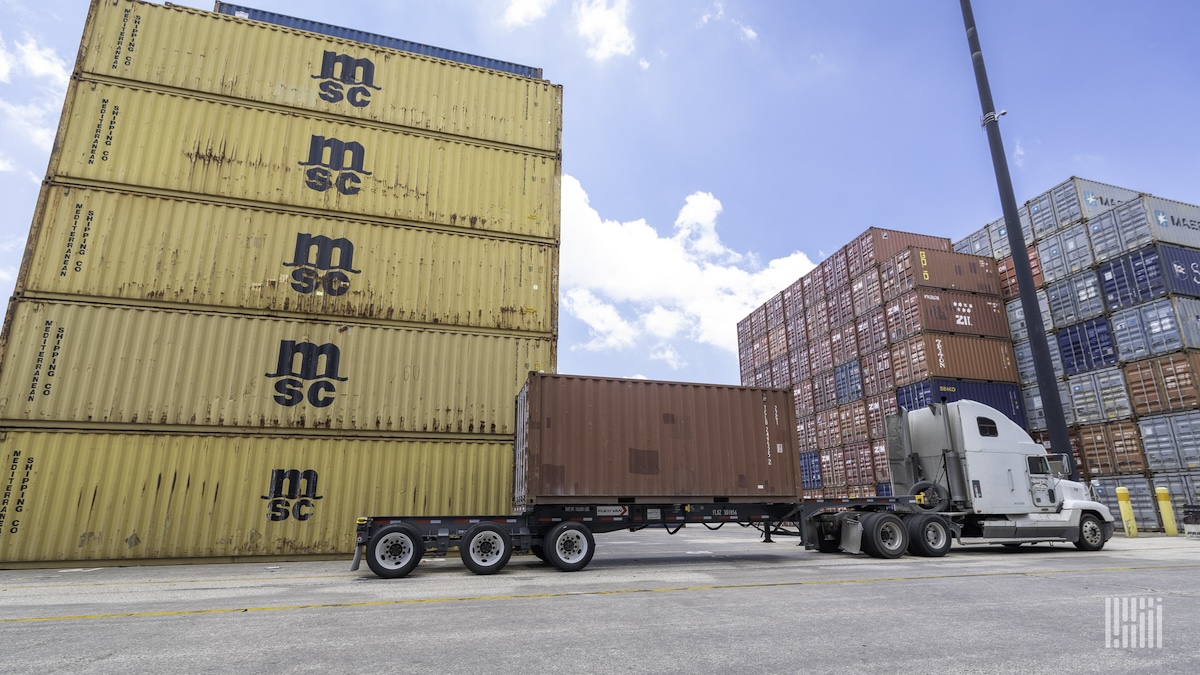
Moreover, the flexibility offered by mobile storage trailers is another compelling reason for their growing popularity. Companies can rent trailers month-to-month and use them as overflow storage at factories, distribution centers, or ports. This flexibility allows companies to quickly adapt to changing inventory levels and production demands, without the need for long-term commitments.
- $11 per square foot is the average cost of traditional warehouse leases.
- $6.64 per square foot is the cost of storage trailers, offering significant savings.
Supply Chain Disruptions and the Need for Immediate Solutions
Supply chain disruptions, such as tariff changes, port congestion, and sudden shifts in inventory demand, have further fueled the demand for flexible storage solutions. Companies need assets ready to go immediately when faced with such disruptions, and mobile storage trailers provide a quick and efficient solution.
Brooks emphasized the importance of having immediate access to assets during supply chain disruptions: ‘You don’t have time to negotiate a warehouse lease when production is on the line. You need assets ready to go immediately.’ This highlights the critical role that mobile storage solutions play in ensuring business continuity and minimizing the impact of supply chain disruptions.
- Immediate access to assets is crucial during supply chain disruptions.
- Mobile storage trailers provide a quick and efficient solution to mitigate the impact of disruptions.
Looking Ahead: The Future of Mobile Storage in North America
The growing demand for mobile storage trailers is a testament to the evolving landscape of supply chain management in North America. As companies continue to face challenges such as tariff volatility and nearshoring, the need for flexible and cost-effective solutions will only increase. Warehouse on Wheels and other providers of mobile storage solutions are well-positioned to meet this demand, helping companies build more resilient and adaptable supply chains.
As the industry continues to evolve, it is clear that mobile storage will play a crucial role in shaping the future of supply chain management. By providing companies with the flexibility and cost-effectiveness they need, mobile storage solutions will help drive innovation and efficiency in the supply chain sector.
Source: www.freightwaves.com
This article was AI-assisted and reviewed by our editorial team.