As the logistics industry grapples with the complexities of warehouse automation, RyderVentures is making a bold move by investing in ‘Physical AI’. This innovative approach aims to break through the biggest barriers in warehouse automation, offering a flexible and multi-use hardware solution that could revolutionize the industry.
The Emergence of Physical AI
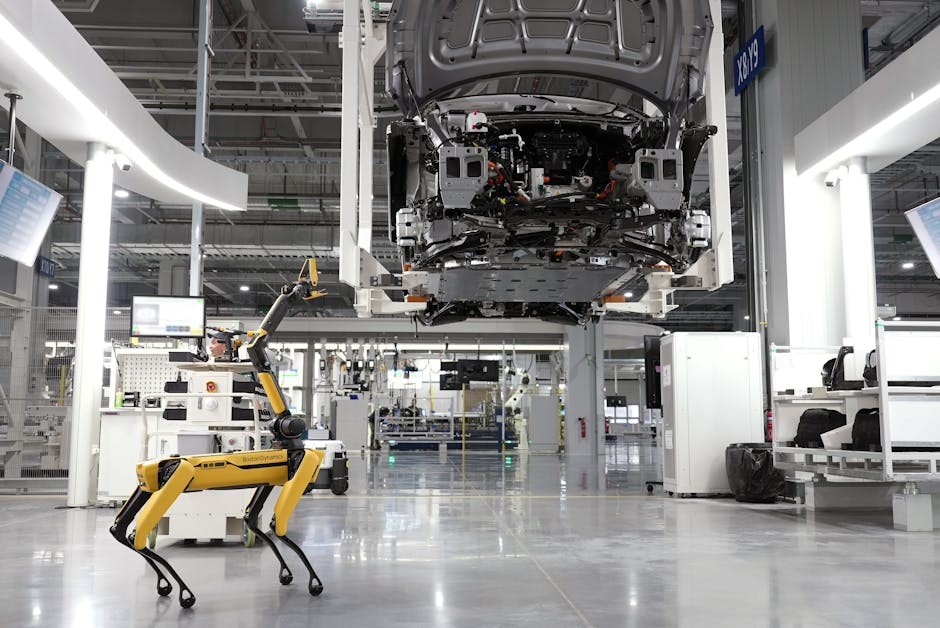
Physical AI, as described by Mike Plasencia, group director of new product strategy and RyderVentures at Ryder System, Inc., represents a significant shift in warehouse automation. Unlike traditional AI, which primarily operates in a virtual or software-based environment, Physical AI is designed to interact with the physical world. This means that it can be integrated into hardware, enabling it to perform tasks that require physical interaction, such as picking and placing items in a warehouse.
According to Plasencia, the key advantage of Physical AI is its flexibility. Traditional automation solutions often require custom hardware and software, making them expensive and time-consuming to implement. Physical AI, on the other hand, can be easily adapted to different environments and tasks, reducing the cost and complexity of warehouse automation.
Challenges in Warehouse Automation
Warehouse automation faces several challenges, including the need for highly specialized and expensive equipment, as well as the complexity of integrating these systems into existing operations. Physical AI aims to address these challenges by providing a more adaptable and cost-effective solution.
One of the biggest barriers to warehouse automation is the lack of standardized hardware and software. This makes it difficult for companies to invest in automation without the fear of becoming locked into a proprietary system. Physical AI, with its focus on flexible hardware, could help break down these barriers by providing a more open and interoperable platform.
RyderVentures’ Investment Strategy
RyderVentures has been investing in disruptive technologies across various sectors, including advanced vehicle technology, e-commerce, digitization, and warehouse automation. The decision to focus on Physical AI is a testament to the company’s commitment to driving innovation in the logistics industry.
Plasencia explains that the company has been working on this technology for five years, investing in over 20 portfolio companies. This long-term commitment reflects the company’s belief in the potential of Physical AI to transform warehouse operations.
The Impact of Physical AI on the Logistics Industry
The adoption of Physical AI in warehouse automation could have a profound impact on the logistics industry. By reducing the cost and complexity of automation, Physical AI could make it more accessible to a wider range of companies, including small and medium-sized enterprises.
This increased adoption could lead to more efficient and cost-effective warehouse operations, ultimately benefiting consumers through faster and more reliable delivery services. Additionally, the use of Physical AI could lead to the development of new business models and services within the logistics industry.
Expert Insight
“Physical AI represents a significant step forward in warehouse automation. Its ability to interact with the physical world in a flexible and adaptable manner makes it a game-changer for the logistics industry.”
— Mike Plasencia, Group Director of New Product Strategy and RyderVentures at Ryder System, Inc.
Conclusion
RyderVentures’ bet on Physical AI is a strategic move that could reshape the landscape of warehouse automation. By focusing on flexible and multi-use hardware, the company aims to break through the biggest barriers in the industry, making warehouse automation more accessible and efficient. As the logistics industry continues to evolve, the adoption of Physical AI could be a key factor in driving innovation and efficiency.
Source: www.freightwaves.com
This article was AI-assisted and reviewed by our editorial team.