The Northern Corridor: Electronics and Semiconductors Hub
In the northern corridor encompassing Hanoi, Haiphong, and Bac Ninh, Vietnam is positioning itself as a leading destination for electronics and semiconductor manufacturing. This strategic move is underpinned by the region’s proximity to China’s tech hub in Shenzhen, creating an environment where cross-border supply chains can operate seamlessly with minimal logistical delays. The completion of new expressway phases in late 2025 has significantly reduced transit times to the Chinese border by 40%, a key factor that enhances the attractiveness of this region for high-tech manufacturing.
The Northern Corridor is also seeing significant investments in infrastructure and human capital development, essential components for supporting the advanced technology sectors. This includes the establishment of specialized training programs to equip the local workforce with skills necessary for electronics assembly and semiconductor production. Such initiatives are crucial as they not only meet immediate labor needs but also lay the foundation for sustained growth in these high-value industries.
The Central Corridor: Green Manufacturing Hub
Da Nang and Quang Nam, located within the central corridor of Vietnam, have been earmarked for green manufacturing initiatives. The government is piloting localized renewable energy direct power purchase agreements (DPPAs) in this region to attract environmentally conscious brands from Europe and America that are transitioning away from carbon-intensive regions. By positioning itself as a hub for sustainable manufacturing, Vietnam aims to tap into the growing demand for eco-friendly production methods.
The implementation of these green initiatives is not only about attracting new investments but also about creating a sustainable framework within which manufacturers can operate efficiently while minimizing their environmental footprint. This approach aligns with global trends towards increased corporate social responsibility and environmental stewardship, making the Central Corridor an attractive option for companies looking to comply with stringent ESG (Environmental, Social, and Governance) standards.
The Southern Corridor: Transitioning from Labor-Intensive to Automated Logistics
The southern corridor, centered around Ho Chi Minh City, Binh Duong, and Dong Nai, is undergoing a significant transformation. Traditionally known for its labor-intensive garment and footwear industries, this region is now shifting towards automated logistics, fast-moving consumer goods (FMCG), and automotive parts manufacturing. The anticipated opening of the Long Thanh International Airport phase one in 2026 is expected to further solidify the South as a global air freight logistics hub.
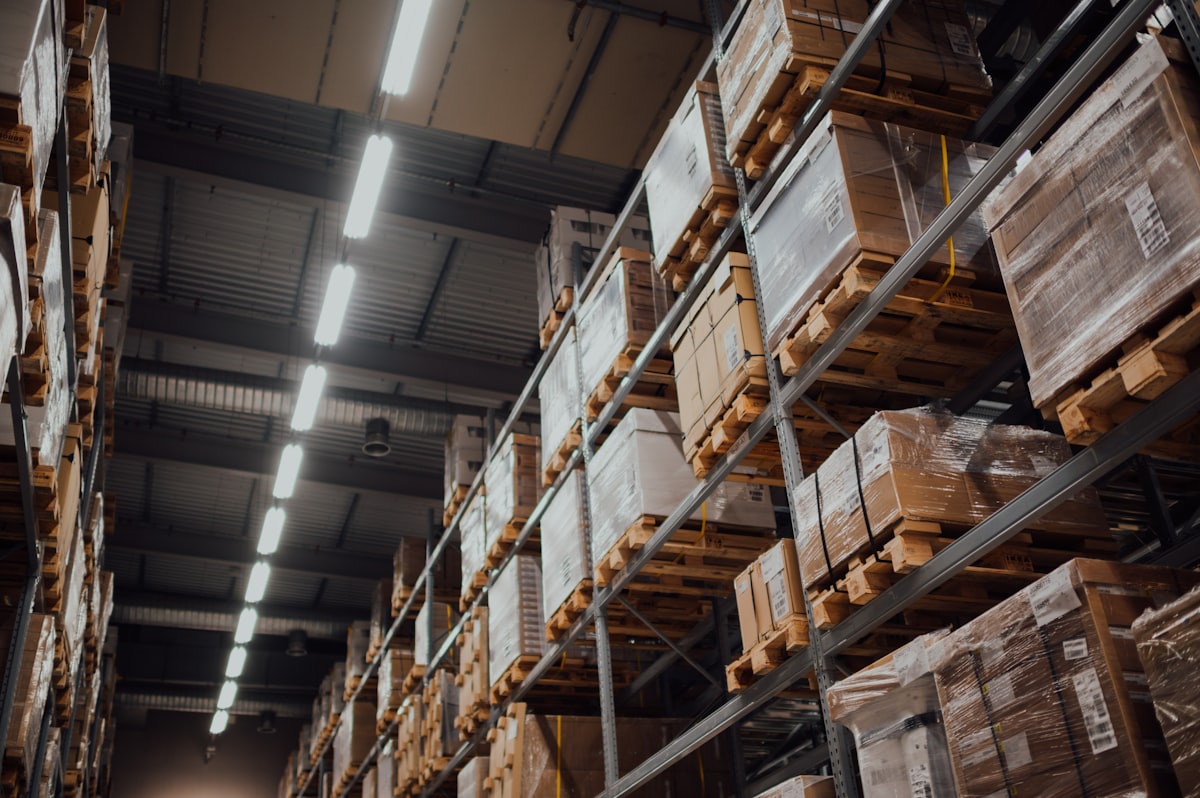
The construction boom in warehouses and logistics facilities across this region underscores the growing importance placed on efficient supply chain management. This shift towards automation and advanced logistical capabilities aims not only to enhance operational efficiency but also to attract investments from multinational corporations looking for robust infrastructure to support their manufacturing needs. The Southern Corridor thus represents a critical step forward in Vietnam’s ambition to become an integrated node within global value chains.
From ‘China+1’ to ‘China+Multi’: Strategic Implications
Vietnam’s strategic repositioning reflects the evolving dynamics of the manufacturing landscape, particularly as brands and manufacturers move beyond a singular reliance on China for production. The concept of “China+1” is giving way to “China+Multi,” where specialized regional hubs within Vietnam are designed to cater to specific industry needs rather than relying solely on cheap labor. This transition underscores the importance of tailored infrastructure and targeted investment in developing these corridors.
The development of distinct manufacturing zones not only diversifies Vietnam’s industrial portfolio but also positions it as a competitive player in various segments of global supply chains. By focusing on high-tech, green manufacturing, and advanced logistics, Vietnam is setting itself up to be a preferred destination for multinational corporations looking for more resilient and diversified production networks.
Supply Chain Redesign Challenges
The restructuring of Vietnam’s manufacturing landscape presents significant challenges for global brands that rely heavily on supply chain efficiency. Companies must redesign their operations to align with the new regional focus, which may involve relocating facilities, retraining workers, and updating logistical networks. These changes require substantial investment in time and resources to ensure seamless integration into these specialized hubs.
Moreover, there are challenges related to talent acquisition and development. While Vietnam is making strides in training programs for high-tech sectors, the rapid pace of change may outstrip current capabilities, necessitating innovative solutions such as joint ventures with educational institutions or partnerships with technology firms that can provide tailored skill-building opportunities.
Conclusion: A Strategic Shift Towards Future-Ready Manufacturing
The strategic shift in Vietnam’s manufacturing landscape towards specialized regional hubs is a significant move towards future-ready industrial development. By focusing on high-tech, green manufacturing, and advanced logistics, Vietnam aims to attract higher-value foreign direct investment and position itself as a key player in the global manufacturing ecosystem. This restructuring not only addresses immediate challenges but also prepares the country for long-term growth and resilience.
Source: Vietnam Briefing