Introduction: Turbulence as the New Normal
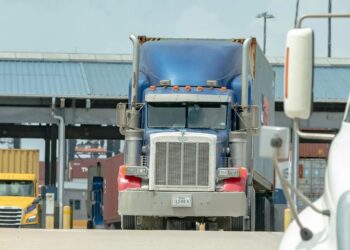
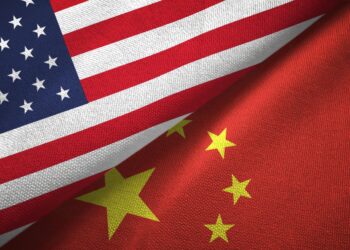
After a year defined by tariff-fueled turbulence, supply chains shouldn’t expect to settle into a period of calm in 2026. Last year’s major shockwave came from President Donald Trump’s complete remaking of U.S. trade policy through an onslaught of tariffs that isn’t being left behind in 2025. Trade uncertainty will continue to plague supply chains this year, but retailers and manufacturers will also contend with plenty of other challenges, including supply constraints on key materials such as semiconductors and beef, operational cost pressures, and questions about logistics reliability.
Fortunately, supply chain leaders have had plenty of recent practice with maintaining resilience in the face of multiple stress points. Still, you can never be too prepared, so Supply Chain Dive spoke with experts and executives to distill the trends and risks that will shape procurement, logistics and operations management across the value chain in 2026. Here’s everything we discovered.
Tariff Volatility: Ongoing Geopolitical Challenges
The tariff shockwave of 2025 didn’t end with that year. The Trump administration’s trade policy has reshaped the global trade landscape, forcing companies to reassess their supply chain strategies. Tariff uncertainty is compelling firms to rethink procurement strategies, shifting from single-country sourcing to diversified supplier portfolios. This transformation isn’t just about cost reduction but about risk management.
Tanguy Caillet, global supply chain lead at Genpact, notes that tariff instability and geopolitical disruption are pushing companies deeper into supplier diversification and regional realignment. These trends began during COVID but are now hardening into long-term structural changes. Most multinational shippers are better prepared for the current tariff environment than many observers expected, largely because investments in visibility and decision-making tools during the pandemic laid the groundwork.
Critical Material Shortages: Supply Constraints on Semiconductors, Beef, and More
In 2026, supply chains will face constraints on multiple critical materials. While semiconductor shortages have eased somewhat, they remain a major bottleneck for many industries. Automotive, electronics, and industrial equipment manufacturers need to continue managing this risk. Beef supply is also under pressure, with climate change, disease, and trade policy changes affecting global meat supply chains.
Other materials facing supply constraints include critical minerals (such as lithium, cobalt, rare earth elements), memory chips, and certain chemicals. These shortages not only affect production costs but could also delay time-to-market and impact corporate competitiveness. Procurement teams need to develop more sophisticated risk management strategies, including inventory buffers, alternative material research, and supplier diversification.
Logistics Reliability: Capacity Volatility and Cost Pressures
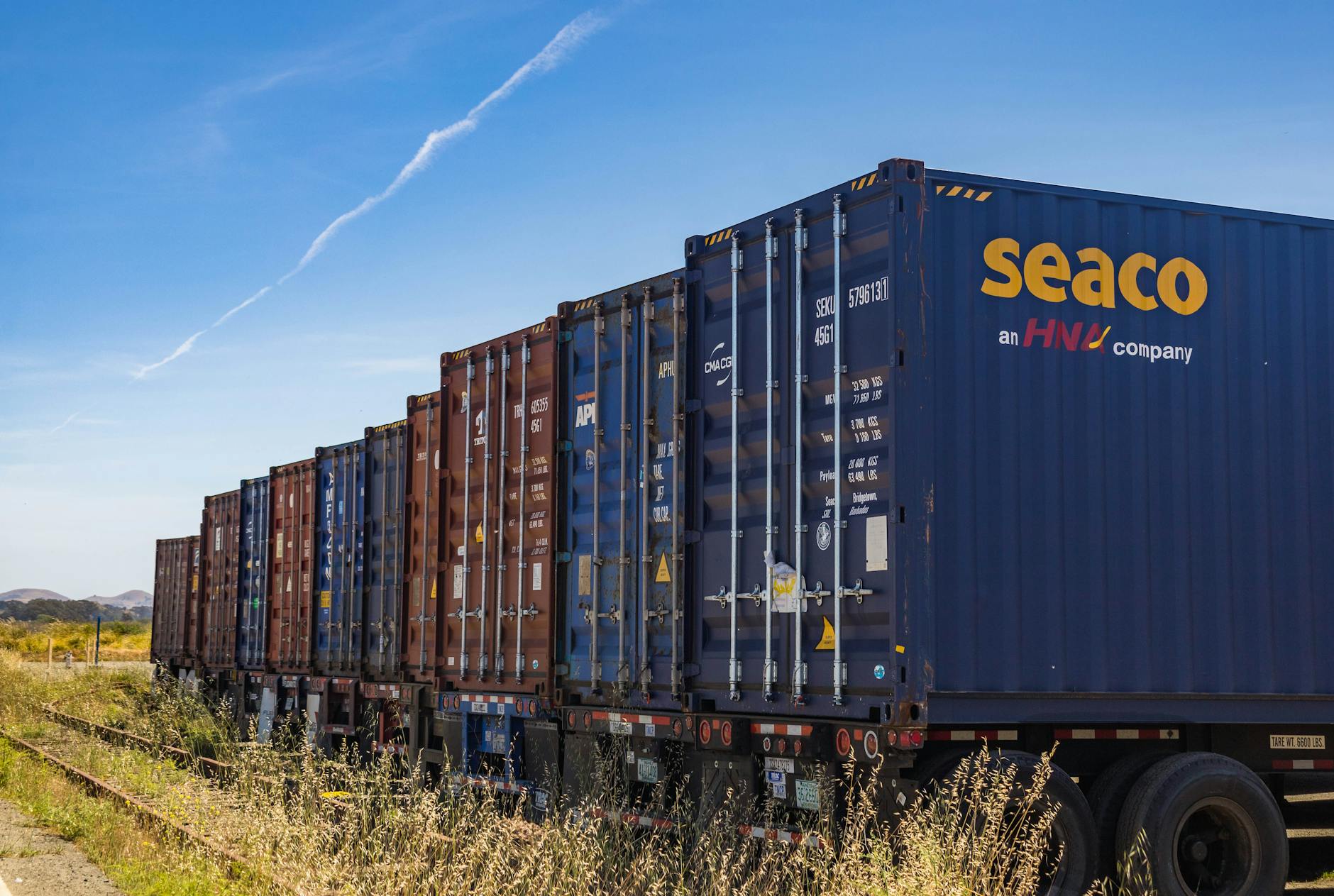
Logistics reliability remains a primary concern in 2026. After years of volatility driven by geopolitical shocks, labor shortages, and sudden capacity fluctuations, the freight market is entering a new phase where disruption is no longer the exception but part of the operating environment. This means companies planning for 2026 must rethink resilience, cost control, and technology adoption.
Sean Wu, CEO of uShip, outlines three core principles he believes will define resilient supply chains: diversification, visibility and speed, and stronger carrier relationships. Managing freight costs in 2026 will be more about eliminating inefficiencies than driving down rates. Spot market volatility has become commonplace, and weather-related disruptions are expected to continue putting pressure on available capacity this winter and beyond.
Technology as a Coordination Layer: The Critical Role of AI in Supply Chain Management
Caillet emphasizes that technology—particularly AI built on foundational systems—will be crucial in the next phase of managing trade volatility. Rather than simply plugging in AI as a standalone solution, companies must first modernize their core data infrastructure: clean data, integrated planning systems, procurement systems, and supplier relationship management tools.
From there, AI can connect external geopolitical signals—such as tariff changes or supplier risk alerts—with internal data to simulate impact scenarios in near real-time. The goal is to quickly determine which production plans, customers, or contracts might be affected and adjust accordingly. Caillet believes many companies still underestimate how quickly AI-driven use cases will proliferate. “There is no artificial intelligence without process intelligence,” he says.
Corporate Response Strategies: Building Anti-Fragile Supply Chains
Looking ahead, Caillet expects 2026 to bring continued geopolitical disruption, changing trade alliances, and global trade route realignment. “Power is shifting, manufacturing, consumer centers are moving, changing around the world,” he says. Rather than trying to predict the next disruption and prepare for it in advance, businesses will need to lead with flexibility, adopting real-time freight strategies that enable rapid adaptation.
Successful supply chains won’t be those that try to avoid disruption but those designed to adapt to it. Businesses need to accept volatility as the new normal and adjust their strategies, technologies, and partnerships accordingly. The shift from cost optimization to risk diversification, from single sourcing to multi-sourcing, from predictive planning to adaptive response—these transformations will determine which companies thrive in uncertain times.
Conclusion: Building Supply Chain Resilience in Uncertain Times
In 2026, supply chain leaders face an environment more complex and uncertain than ever before. Tariff volatility, critical material shortages, logistics challenges, and technological change intersect to create an unprecedented operating environment. Yet this also presents an opportunity for businesses to rethink their supply chain strategies and build true resilience.
Technology, particularly AI and data analytics, will play a key role in enabling this adaptability. But technology alone isn’t the solution—it must be combined with redesigned processes, updated operating models, and strengthened partnerships. Ultimately, the most resilient supply chains in 2026 will be those that embed flexibility, visibility, and diversification into their DNA.
This article is AI-assisted and has been reviewed and validated by the SCI.AI editorial team before publication.
Source: Supply Chain Dive
This article was AI-assisted and reviewed by our editorial team.