2026 Middle East Logistics Crisis: Global Supply Chains Under “Double Blockade” Pressure
“When the Strait of Hormuz—the throat of global trade—faces blockade threats, the world economy doesn’t just catch a cold; it experiences cardiac arrest.” — Supply Chain Risk Analyst, March 2026
Introduction: The Crisis Morning Alarm
The 2026 Middle East logistics crisis represents a systemic stress test for global supply chain systems, placing the world’s most critical trade arteries under pressures not experienced for decades. The Persian Gulf region has evolved into a highly complex risk aggregator, combining energy security, critical raw materials, high-tech components, and consumer electronics.
Geographic Strategic Value
The Strait of Hormuz handles approximately 20% of global oil supply and nearly 25% of liquefied natural gas (LNG) trade. The 2026 geopolitical escalation has pushed operational risks in this strait to historic highs, fundamentally reshaping global trade cost structures.
Hub Port Crisis
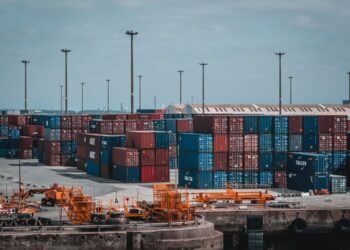
Dubai’s Jebel Ali Port, as the world’s largest artificial deep-water port, has long served as the “central processor” of global container transshipment networks. Qatar’s Hamad Port represents strategic resilience testing in the face of regional systemic risks.
Air Cargo Dimension
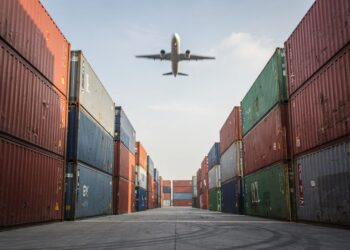
The Middle East serves as a critical node in international air cargo networks. The 2026 security escalation has led to airspace usage restrictions, forcing airlines to redesign cargo routes between Europe and Asia, significantly elevating per-kilogram air cargo costs.
Supply Chain Response Strategies
Leading supply chain managers are constructing transportation route diversification portfolios, implementing inventory strategy paradigm shifts, and leveraging digital technology enablement for enhanced risk management.
Long-term Structural Impact Predictions
The 2026 Middle East crisis may catalyze global logistics geography restructuring, drive fundamental changes in supply chain management standards, and generate synergistic effects between crisis response and sustainable development goals.
Conclusion: Building Adaptive Advantage
In this era of intertwined geopolitical and logistics risks, supply chain managers assume unprecedented strategic importance as key architects of enterprise resilience and sustainable competitiveness. Through strategic foresight, technological innovation, and collaborative spirit, we can transform current crises into long-term advantages.
Source Reference: This analysis is based on Gulf Logistics: Ports, Airspace & War Risk Analysis and related industry reports.
This article was AI-assisted and reviewed by our editorial team.