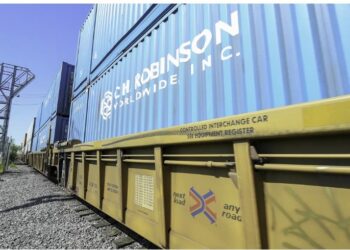
Smart load planning is one of the fastest ways logistics companies can cut emissions without shrinking operations. By improving cargo optimization, reducing empty miles, and leveraging modern cargo planning software, businesses can turn sustainable logistics into a measurable competitive advantage, lowering costs while lowering their carbon footprint.
Reducing Emissions Through Advanced Load Optimization Tools: A Priority for 2026 Logistics
Sustainability in logistics is a board-level metric. And in 2026, load planning sits right at the center of the conversation.
Why? Because load planning directly influences how many trucks you send on the road, how much fuel you burn, and how much CO₂ your supply chain produces. When done right, load planning improves margins, asset utilization, and customer reliability.
The Emissions Problem Hiding in Plain Sight
Freight transport accounts for a significant share of global greenhouse gas emissions. In the U.S., transportation represents about 28% of total. Road freight is among the biggest contributors.
Here’s the uncomfortable reality:
- Over 90% of trucks operate below full capacity
- Around 20-27% of freight miles are driven empty
- Road freight produces significantly more CO₂ per ton-kilometer than rail or sea
That means poor load planning is environmentally expensive.
Why Load Planning Is the Core of Sustainable Logistics
At its core, sustainable logistics depends on three operational variables:
- Vehicle fill rate
- Number of trips
- Empty return ratio
Each of these is controlled, or heavily influenced, by load planning. A 10% increase in average load factor can reduce emissions meaningfully across a fleet.
If a fleet runs 1,000 weekly trips and improves cargo optimization enough to eliminate 50 unnecessary trips, that’s fuel saved, labor saved, and emissions avoided. Over a year, that compounds dramatically.
Practical Load Planning Strategies That Actually Reduce Emissions
1. Consolidation Through Data-Driven Cargo Optimization
Advanced cargo optimization tools allow planners to combine shipments more intelligently. Rather than dispatching two 60%-full trucks, optimized load planning can merge shipments into one 95%-utilized vehicle.
2. Backhaul Planning to Eliminate Empty Miles
Empty miles are one of the biggest weaknesses in freight operations. Better load planning integrates outbound and inbound flows. With integrated cargo planning software, planners can match return routes with available freight in near real time.
Some AI-based systems reduce the required fleet size by 5-10% simply by improving dynamic load planning logic.
3. 3D Load Planning Technology
Modern cargo planning software includes 3D visualization. Instead of relying on spreadsheet estimates, planners see exactly how cargo fits inside trailers or containers. This improves space utilization by 15-25% compared to manual planning.
4. Modal Shifts Supported by Smarter Planning
Rail and sea transport produce significantly fewer emissions per ton-kilometer than road freight. But modal shifts require coordinated load planning and strong cargo optimization.
Technology Impact
One major carrier reported an 8% capacity increase after implementing AI-supported load planning. UPS famously saves millions of gallons of fuel annually through route and load optimization systems.
And increasingly, regulators and large enterprise customers demand this level of sustainable logistics accountability.