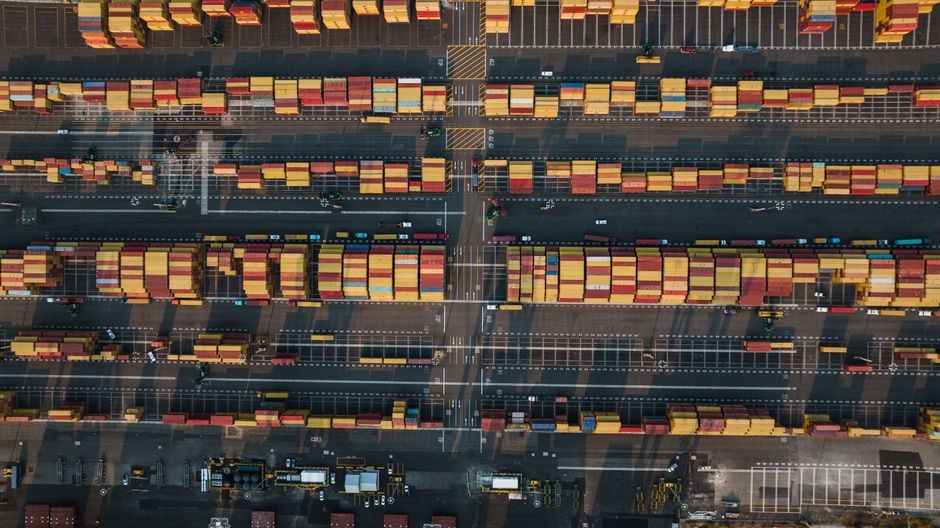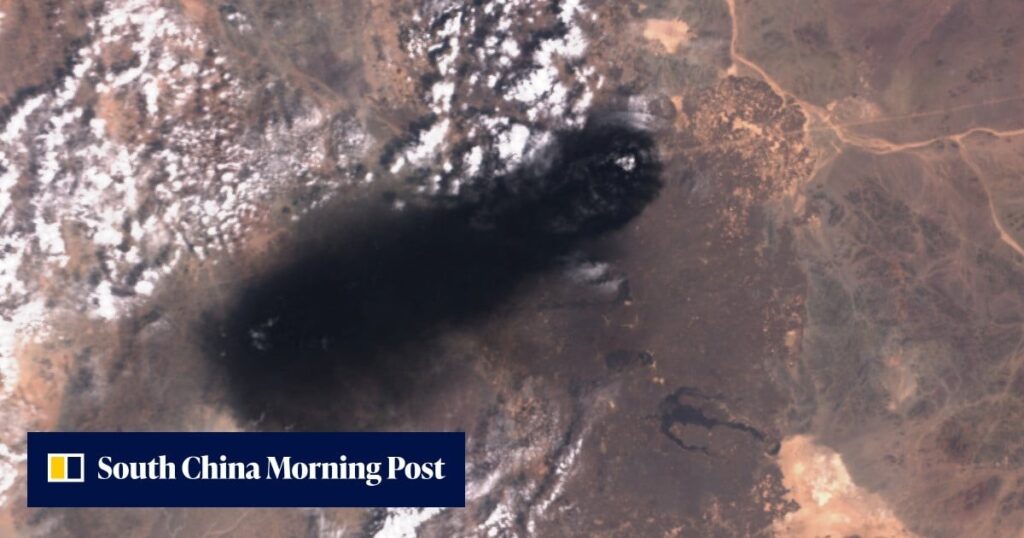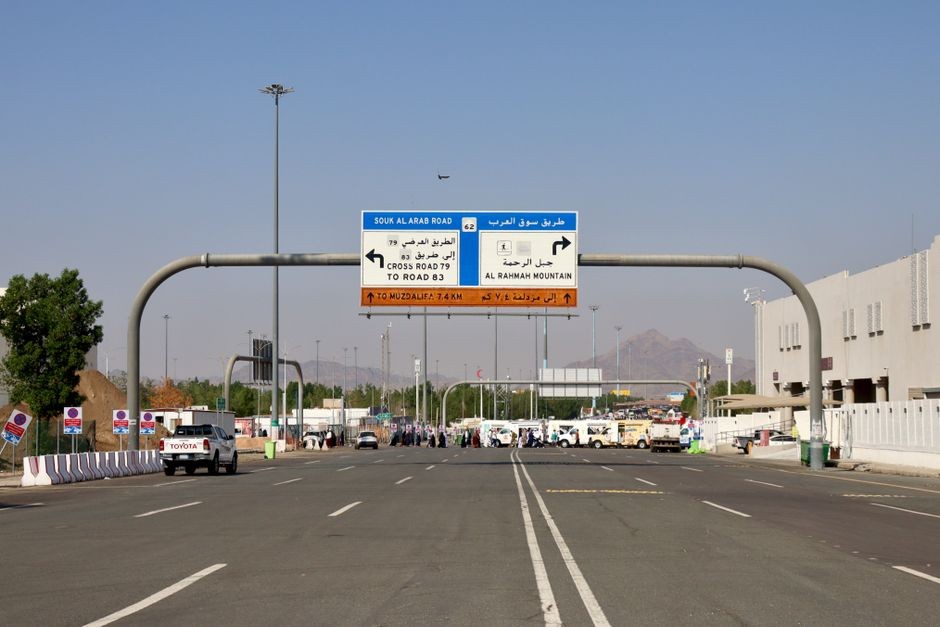
According to www.logisticsmiddleeast.com, Jebel Ali’s container volumes have fallen 90% as cargo shifts to alternative UAE ports, rail corridors, and overland routes — reshaping logistics costs, warehousing demand, and infrastructure investment across the region.
Rerouting Through Red Sea Gateways
Major carriers including Maersk, MSC, and Hapag-Lloyd suspended direct Gulf services, prompting widespread rerouting through Red Sea gateways. Jeddah Islamic Port and King Abdullah Port now serve as primary entry points before overland movement into the UAE and Oman. Vessels diverting around the Cape of Good Hope added 10 to 14 days to standard voyages, with Freightos data from the first two months of the conflict showing Shanghai-to-Jebel Ali container rates quadrupling — from under $2,000 to above $8,000.
Port Expansion and Overland Costs
In July, DP World reached an agreement in principle with the Fujairah Ports Authority for a 50-year concession covering the Al Rugaylat and Dibba terminals. This deal would increase DP World’s UAE capacity from 19.4 million TEUs to nearly 22 million TEUs. However, the shift carries steep operational penalties: trucks at east coast ports queue up to 12 hours, compared with a 27-minute turnaround at Jebel Ali. A DP World official stated the overland leg costs roughly four to five times more than sailing directly through Hormuz to Jebel Ali.
Rail and Industrial Resilience Initiatives
A new direct service between Fujairah and Abu Dhabi Industrial City launched this month, operating three times weekly. Meanwhile, the Hafeet Rail project — a UAE–Oman initiative — passed 40% completion in April. The 238km line is designed to move over 15,000 tonnes per train directly between terminals and UAE free zones. Separately, the AED1bn National Industrial Resilience Fund, approved in April, targets localisation of more than 5,000 critical products in food, pharmaceuticals, and technology. The UAE’s Comprehensive Economic Partnership Agreement (CEPA) network has grown to 37 agreements, with 18 in force — up from just 6 in early 2025.
Strategic Implications of Bab al-Mandab Disruption
With Bab al-Mandab under Houthi control, Gulf hubs including Jebel Ali, Khalifa Port, and Salalah, alongside Red Sea gateways like Jeddah, face mounting risk: any sustained reduction in Bab al-Mandab traffic threatens to divert calls and transshipment cargo entirely toward Mediterranean ports positioned closer to the northern end of the Cape route. Removing that chokepoint forces a full diversion around the Cape of Good Hope — adding roughly 11,000 nautical miles and 10 to 14 extra days to Asia–Europe voyages. The consequences were first documented during the Red Sea crisis beginning in late 2023.
Source: logisticsmiddleeast.com
Compiled from international media by the SCI.AI editorial team.