According to vietnamplus.vn, Vietnam’s logistics infrastructure is constrained by systemic connectivity bottlenecks, with road transport accounting for 80–90% of domestic freight volume — a structural imbalance undermining the national target to reduce logistics costs to 14% of GDP by 2030–2035.
Strategic Shift from Support Service to Economic Backbone
Dr. Bùi Bá Nghiêm, Senior Expert at the Import–Export Department (Ministry of Industry and Trade), stated that logistics has evolved from a supporting service into a strategic foundation essential for all production and business activities. While investments in roads, bridges, airports, and seaports have expanded steadily, the integration between logistics centers and transport infrastructure remains inefficient in many areas.
The source states that some logistics hubs lack direct links to industrial clusters or cargo sources, forcing goods from production sites to seaports to travel predominantly by road — increasing traffic pressure and raising costs. Dr. Nghiêm emphasized that infrastructure effectiveness must be measured by its ability to deliver goods on time and at optimal total cost, not just by construction volume.
According to the report, prioritizing underperforming connection nodes and maximizing existing infrastructure capacity are critical to improving system-wide efficiency.
Bắc Ninh’s Multimodal Ambitions Amid Persistent Gaps
Bắc Ninh province exemplifies logistics’ economic impact: its export–import turnover reached over $130 billion in the first eight months of 2026, with both exports and imports exceeding $65 billion each. Nguyễn Thế Thi, Deputy Director of the Provincial Department of Industry and Trade, affirmed:
“For a locality densely populated with FDI enterprises and deeply integrated into global supply chains like Bắc Ninh, logistics directly affects production costs, delivery lead times, and provincial competitiveness.”
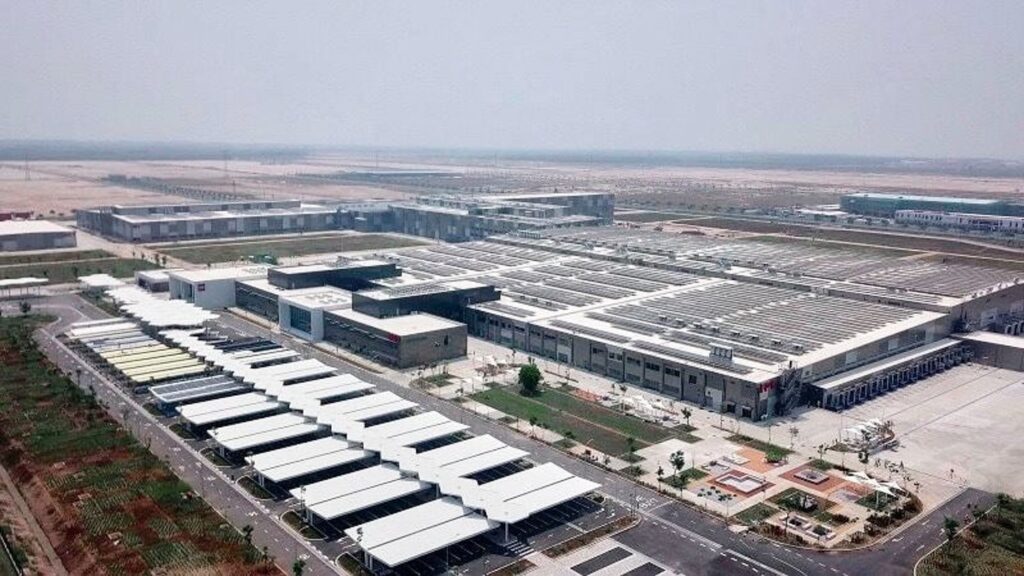
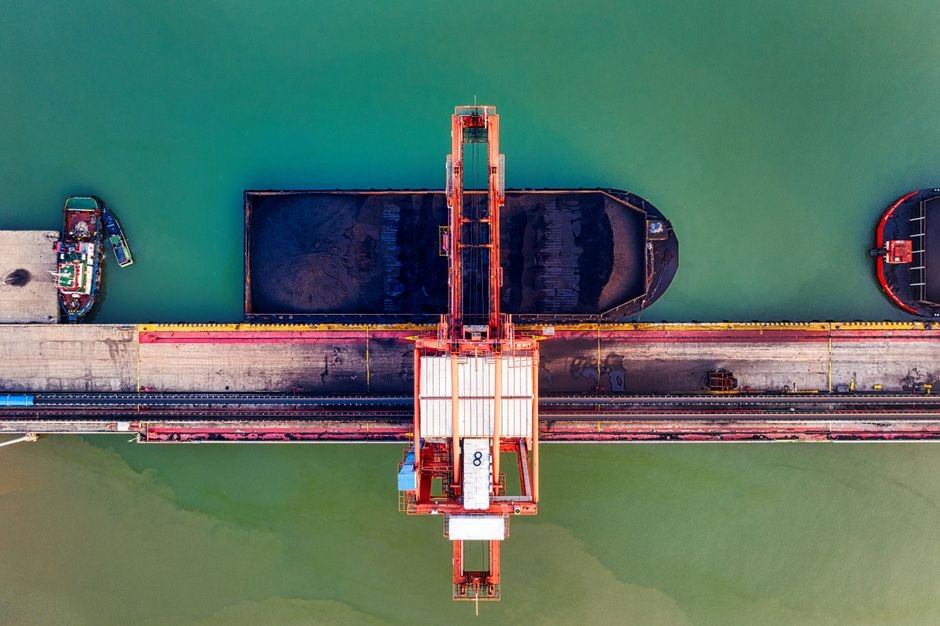
The province is advancing a multimodal, intelligent logistics plan — developing inland waterway logistics and dry ports in Quế Võ, air cargo logistics linked to Gia Bình International Airport, and international rail transit in Kép. Tân Cảng Quế Võ already serves more than 40 enterprises, while Tri Phương Dry Port handled over 41,000 TEU in just seven months.
With Gia Bình International Airport scheduled to open in 2027, Bắc Ninh aims to strengthen high-value goods and e-commerce logistics. Yet road transport still dominates locally, and inland waterways and railways remain underutilized — confirming the nationwide pattern.
Infrastructure Gaps and the ‘Last-Mile’ Challenge
Trần Ngọc Khánh, CEO of OCL Logistics and Executive Committee Member of the Vietnam Logistics Services Business Association, acknowledged government progress in deep-sea port development — including Cái Mép–Thị Vải and Lạch Huyện — and the North–South Expressway, which now enables direct shipments to major markets without transshipment via Singapore or Hong Kong.
Nonetheless, he stressed that domestic logistics cost per ton-kilometer remains extremely high due to road’s 80–90% share of freight volume and the lack of synchronization among rail, inland waterway, and intermodal systems. He identified the chặng cuối — translated as the “last-mile” segment connecting factories and industrial parks to logistics hubs and border gates — as a core weakness.
To address this, Khánh proposed three priorities: accelerating investment in inland rail and waterway transport; resolving last-mile connectivity bottlenecks; and building mega-logistics hubs aligned with the North–South Expressway and other key corridors. He added that land allocation and financing — particularly through public–private partnerships — are decisive enablers.
Source: vietnamplus.vn
Compiled from international media by the SCI.AI editorial team.