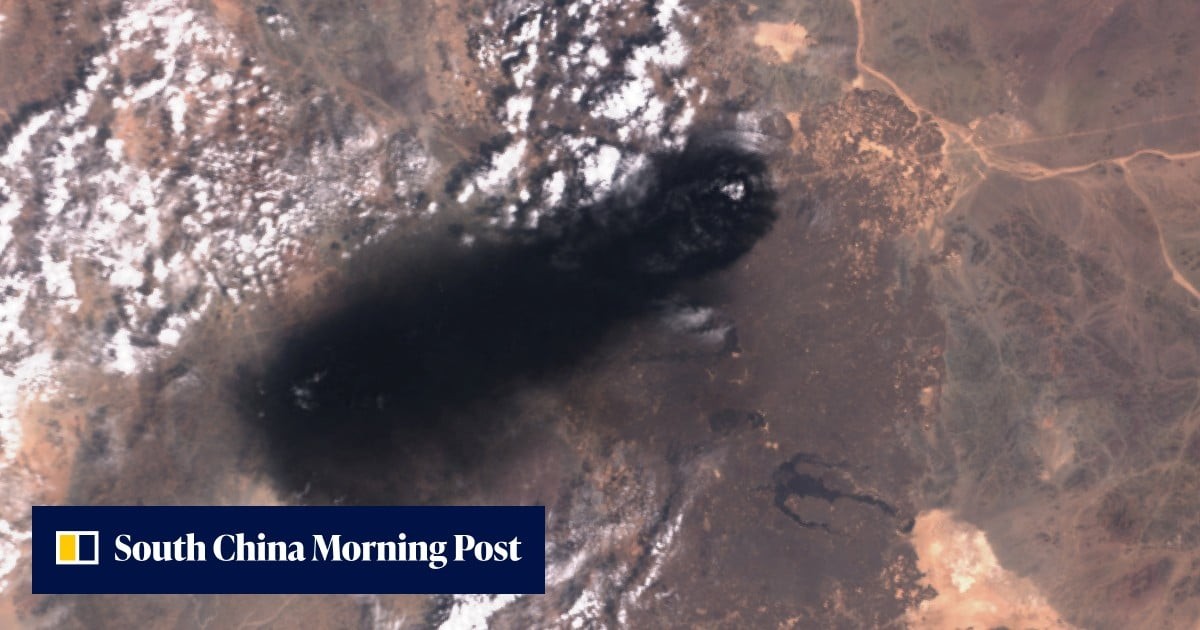
According to www.scmp.com, Saudi Arabia has shut down its East-West pipeline following an aerial drone attack, halting a critical oil conduit that transports 4 million to 5 million barrels per day — equivalent to 4 to 5 per cent of global supply.
Attack Origin and Regional Fallout
Both Baghdad and Riyadh stated the drone attack originated in Iraq, where Iranian-backed militias operate. In response, Iraq dismissed a military commander on Saturday. The 1,200km (745-mile) pipeline traverses the Arabian Peninsula and was built specifically to bypass shipping bottlenecks in the Strait of Hormuz — a chokepoint where tanker traffic has slowed to a trickle amid escalating tensions between the US and Iran.
The Saudi energy ministry confirmed the shutdown was precautionary. Ship tracking companies and analysts corroborated the pipeline’s recent throughput range of 4 million to 5 million barrels per day. The disruption compounds pressure from Houthi rebel activity in the Red Sea, tightening energy logistics on both sides of the Arabian Peninsula.
Global oil prices have surged above US$100 per barrel as a result of combined disruptions across the Strait of Hormuz and the Red Sea. US President Donald Trump said on Saturday that Iran was probably responsible for the attack.
Strategic Implications for Energy Flow
The East-West pipeline had served as a vital overland alternative to maritime routes vulnerable to regional conflict. Its closure eliminates a major redundancy for Saudi crude exports, forcing greater reliance on Gulf ports despite heightened risk in the Strait of Hormuz. With 1,200km of infrastructure now offline, short-term export flexibility has sharply declined.
Analysts note that no immediate replacement capacity exists at comparable scale. The pipeline’s pre-shutdown contribution — 4 to 5 per cent of global oil supply — underscores its systemic importance to global markets. Continued instability in Iraq and Yemen further limits near-term recovery prospects.
According to the report, the attack occurred amid a broader escalation involving Iranian-aligned forces across multiple theaters. The US$100 oil price threshold reflects not only physical supply constraints but also widening geopolitical risk premiums embedded in benchmark pricing.
Source: South China Morning Post
Compiled from international media by the SCI.AI editorial team.