Skip to content

Last Mile · Supply Chain

Analysis

CEEW Report: Only 47% of Rural LPG Users Get Doorstep Delivery

A CEEW report reveals that only 47% of rural LPG users in India receive doorstep delivery, with refill cost and last-mile logistics identified as binding constraints. While 73% of rural households used LPG in the past 90 days, just 23% use it exclusively — half still rely on firewood. Migrant users face severe barriers: 79% lack formal connections and under 4% are enrolled in PMUY despite 2021 policy reforms. Affordability is critical — 80% would switch exclusively to LPG at Rs 400/cylinder, far below the Rs 642 subsidised rate. Informal users pay Rs 71/kg (20%+ premium) or Rs 1,040 for cylinders priced at Rs 803. CEEW recommends raising the PMUY subsidy by Rs 200 per cylinder.

Original source: Source information pending

CEEW Report: Only 47% of Rural LPG Users Get Doorstep Delivery

According to www.chinimandi.com, a Council on Energy, Environment and Water (CEEW) report finds that just 47% of rural LPG users in India receive doorstep delivery — leaving refill cost and last-mile logistics as binding constraints.

Rural Access and Usage Gaps

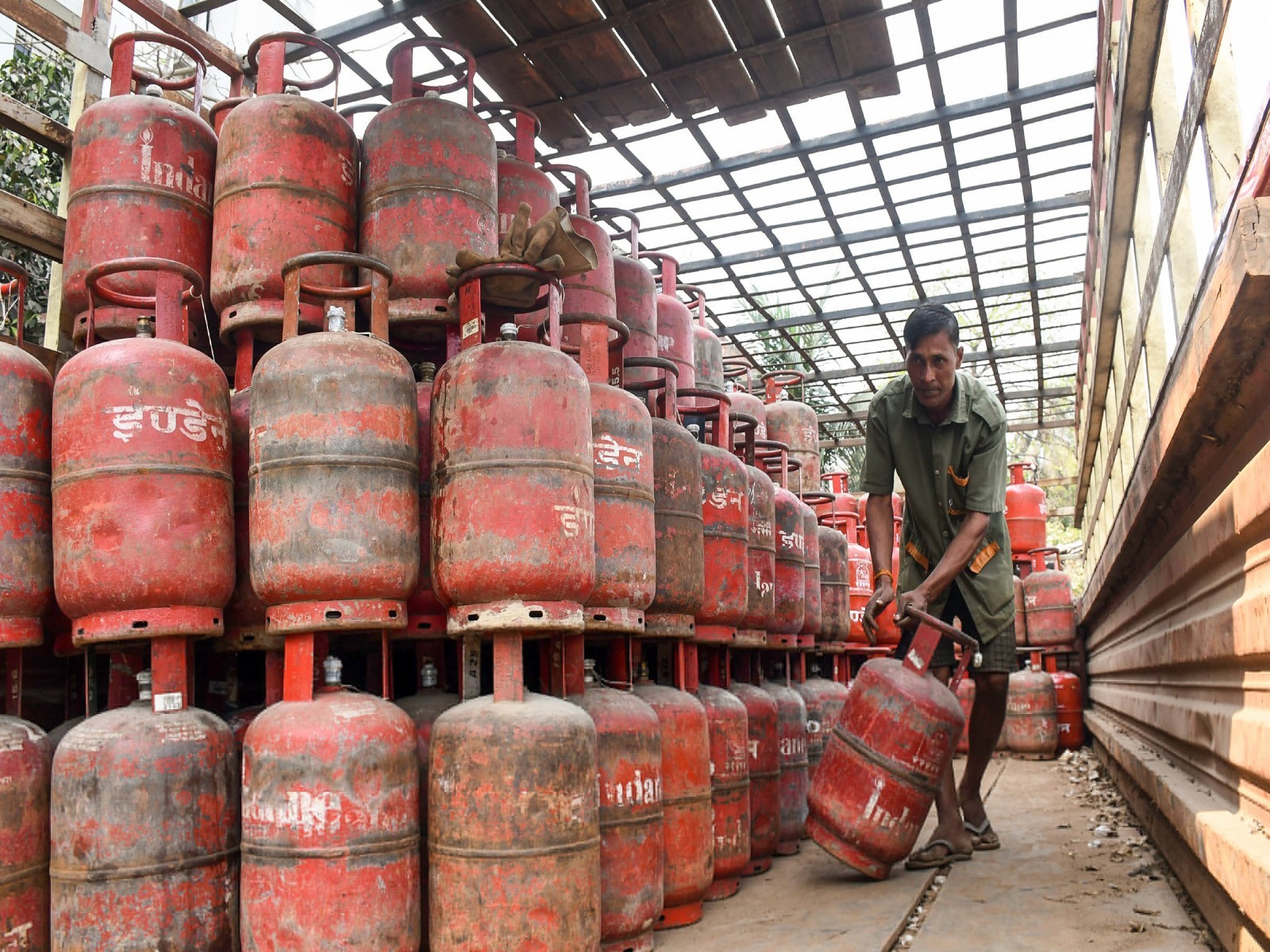
The CEEW studies reveal that although 73% of rural households used LPG in the previous 90 days, only 23% rely on it exclusively. Half continue using firewood as their primary fuel. Informal purchases — made through local shops, roadside dealers, or unauthorised sellers — fill service voids created by limited awareness and weak delivery infrastructure. Domestic LPG cylinder prices increased with effect from March 7 2026, adding pressure on already strained household budgets.

The report highlights that 79% of migrant LPG users lack a formal connection, and fewer than 4% are enrolled in the Pradhan Mantri Ujjwala Yojana (PMUY), despite a 2021 policy provision enabling simplified self-declaration for enrolment.

Affordability and Informal Premiums

Affordability emerges as a cross-cutting challenge: at a price of Rs 400 per 14.2 kg cylinder, at least 80% of respondents say they would switch exclusively to LPG. The median willingness to pay stands at Rs 500, well below the current subsidised PMUY rate of Rs 642.

In urban informal settlements, 70% report exclusive LPG use, yet 31% of those without formal connections face rejection due to missing address proofs — prompting 11% to pay Rs 1,040 informally for a cylinder priced at Rs 803 retail. Among migrants living in open spaces, 70% rely solely on solid fuels, while informal users pay Rs 71 per kg — over 20% more than formal rates.

Policy Recommendations and Expert Guidance

Prarthana Borah, Fellow at CEEW, stated:

“Clean air is inseparable from how people cook, work and live. These studies show that providing an LPG connection is only the first step. If families cannot afford regular refills, migrants are not aware of formal connections under PMUY, or cylinders do not reliably reach rural homes, households remain exposed to polluting fuels.” — Prarthana Borah, Fellow at CEEW

Abhishek Kar, Fellow at CEEW and co-author of the studies, emphasized that clean cooking policy must shift “from connection numbers to sustained use.” He noted that for rural households, refill affordability and doorstep delivery matter most; for urban poor households, documentation and payment innovations like micro-payments are needed; and for migrants, additional subsidy and awareness are the missing links. Kar also pointed out that a majority of migrant LPG users buy informally, paying a per-kg premium of more than 20% over general users who can afford a full formal cylinder.

To address systemic gaps, the CEEW studies propose that the Ministry of Petroleum and Natural Gas raise the PMUY subsidy by approximately Rs 200 per cylinder. Additional recommendations include targeted migrant enrolment drives, smart-meter kiosk pilots, and differentiated distributor commissions to expand rural doorstep access.

Source: chinimandi.com

Compiled from international media by the SCI.AI editorial team.
Ask SCI.AI Finished reading? Continue with SCI.AI. Explore the related policy, route, company and historical context. Continue asking
Logistics Managers’ Index falls to 66.6 in August
Last Mile

Logistics Managers’ Index falls to 66.6 in August

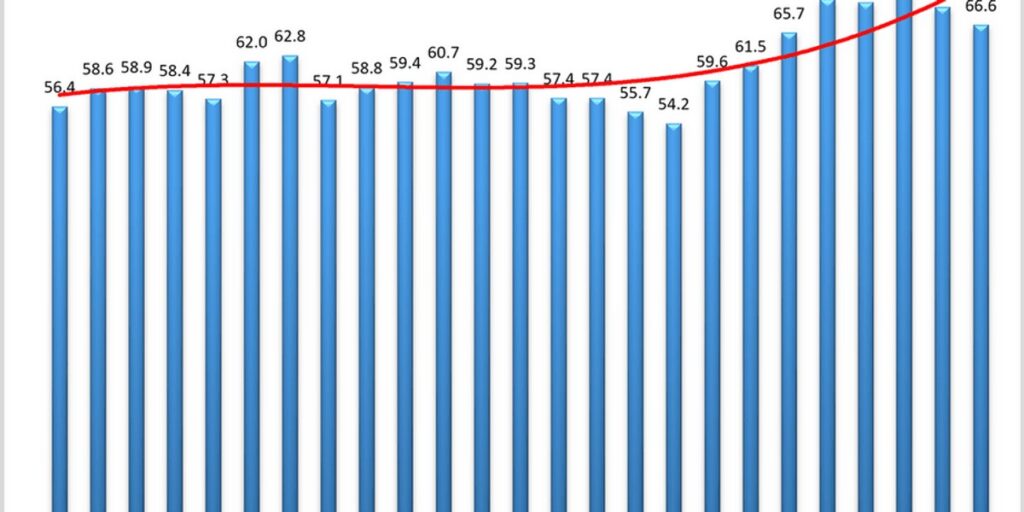
The Logistics Managers’ Index (LMI) fell to 66.6 in August 2026 — down from 68.9 in July and 71.1 in June — marking the second consecutive monthly decline. Inventory levels cooled to 52.8, with upstream firms slipping into contraction at 49.0. The LMI, a U.S.-based survey of logistics managers, remains above the 50 expansion threshold but signals slowing growth. The report was released on Sep 02, 2026. This follows GE Appliances’ $1 billion Kentucky factory expansion announced on Sep 03, 2026.

U.S. Last-Mile Costs Rise Faster Than Revenue for 45% of Operators
Last Mile

U.S. Last-Mile Costs Rise Faster Than Revenue for 45% of Operators

A FarEye report reveals intensifying financial strain on U.S. last-mile delivery: 45% of operators say costs are outpacing revenue in 2026, while fuel, driver availability, and vehicle operations rank as top cost pressures. Organizations with greater network control achieve 95% on-time performance and 8.3% median cost inflation—well below the 14.5% seen among low-control peers. Hybrid networks now span 57% of respondents, with 47% planning deeper outsourcing. Predictability trumps speed for 55.7%, and AI adoption has jumped to 66.3% from 46.2% in 2025.

U.S. Firms Seek Greater Last-Mile Control Amid 64% AI-Adopting Shoppers
Last Mile

U.S. Firms Seek Greater Last-Mile Control Amid 64% AI-Adopting Shoppers

A FarEye study cited by Supply Chain Xchange finds U.S. enterprises with greater control over last-mile delivery infrastructure and data better withstand delivery cost inflation, complex fulfillment networks, and changing customer expectations. The report links this advantage to rising adoption of AI by shoppers — 64% of whom now use AI tools — as documented in a related report dated Aug 27, 2026. Released on Aug 28, 2026, the analysis focuses exclusively on U.S. operations and identifies data ownership as a critical lever for operational resilience.

Welcome Back!

Login to your account below

Create New Account!

Fill the forms below to register

Retrieve your password

Please enter your username or email address to reset your password.

Scan to share via WeChat

Open WeChat and scan the QR code to share

QR Code

Add New Playlist