Skip to content

Warehousing & Transport

Analysis

Container ship orders near 40% of global fleet capacity

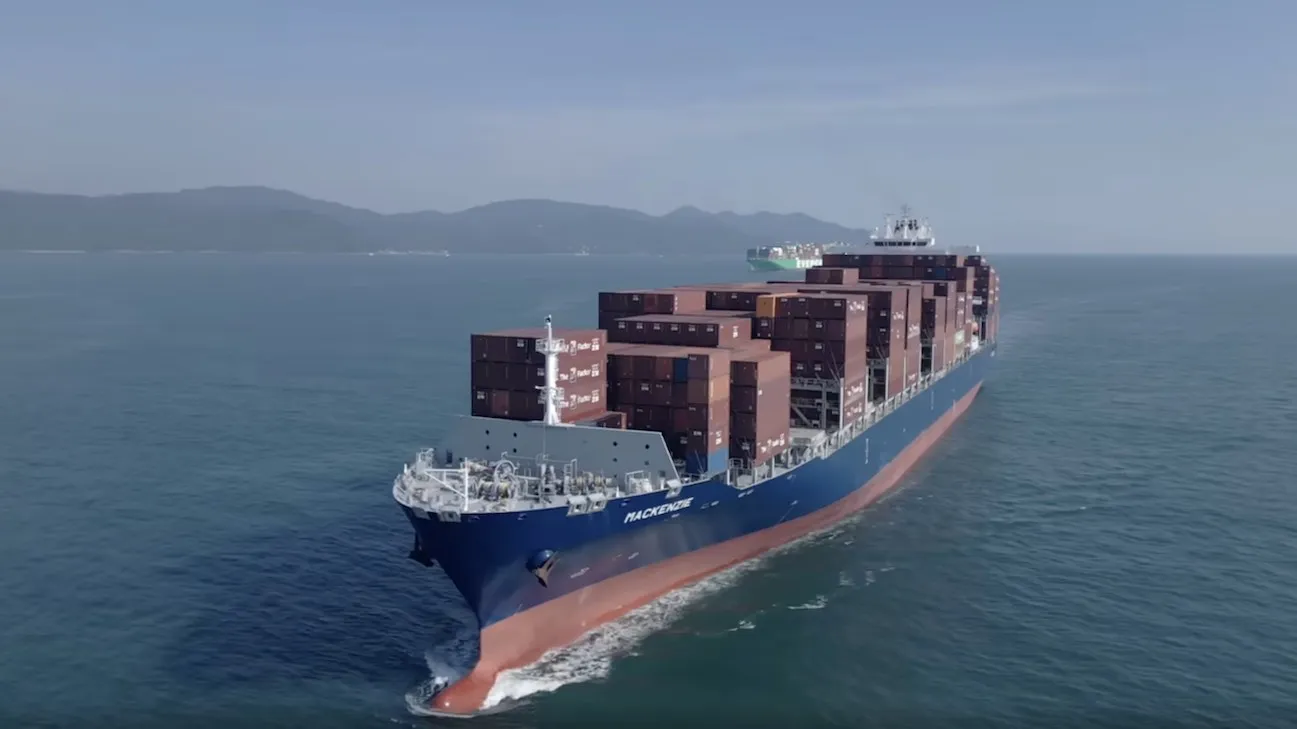
The global containership orderbook totals 13.1 million TEUs — 38.7% of the 33.8 million TEU operating fleet — signaling near-future oversupply risks. With 55.2% of new orders for vessels 10,000 TEUs and larger, and fleet growth projected at 4.2% in 2026 versus 3–4% container trade growth, rate pressure looms. Red Sea diversions have absorbed 2 million TEUs/year since 2023, while Global Ship Lease ordered 15 mid-sized vessels for delivery 2028–2030. China led Q2 2026 newbuilding with just 10 orders going to South Korea.

Original source: Source information pending

Container ship orders near 40% of global fleet capacity

According to www.freightwaves.com, the global containership orderbook stands at approximately 13.1 million twenty foot equivalent units (TEUs) against an operating fleet of about 33.8 million TEUs, yielding an orderbook-to-fleet ratio of 38.7% — meaning vessels on order represent nearly two-fifths of existing capacity.

‘Exceptionally large’ orderbook skewed toward big ships

Global Ship Lease of Athens, using Maritime Strategies International data as of June 30, 2026, estimated the orderbook-to-fleet ratio at 39.1%. More than half — 55.2% — of ordered vessels are 10,000 TEUs and larger, while only 24.7% are smaller vessels. This concentration places the industry’s greatest exposure on large ships serving Asia–Europe, trans-Pacific, and other arterial trades.

The feeder and intermediate sectors face a more balanced supply picture: Q2 2026 ordering included 31.5% of vessels in the 1,000–2,000 TEU range. Yet because the existing small- and medium-sized fleet is aging — with the oldest 25% averaging 21 to 28 years — net growth for sub-10,000-TEU vessels through 2030 would be just 0.7% if vessels older than 25 years were scrapped.

Charter markets for modern feeders remain relatively firm, and MPC Container Ships describes modern feeder tonnage as scarce amid heavy ordering in larger classes and continued aging of the current fleet.

Supply growth may exceed demand

Vessel supply is projected to outpace container demand once deliveries from the orderbook materialize. Container trade growth in 2026 is estimated at 3%–4%, while full-year fleet growth is expected to reach 4.2%. Supply growth could accelerate further in 2027–2029 as delivery volumes rise.

The ongoing avoidance of the Red Sea since 2023 has absorbed more than 2 million TEUs per year by adding miles and voyage days. MPC estimates a return to the Suez route could release effective capacity equivalent to roughly 12% more TEU-miles.

A number of carriers have redeployed scheduled rotations into the Red Sea despite renewed Houthi attacks on merchant shipping from Yemen — illustrating how geopolitical diversions continue to constrain effective capacity even as newbuilds advance.

Fuel and shipyard trends

China dominates newbuilding activity: in Q2 2026, Chinese yards secured most new contracts, while South Korean yards obtained only 10 orders. Although alternative-fuel ships account for about 65% of the existing orderbook by TEU capacity, Clarksons data cited by MPC shows that most Q2 orders were conventionally fueled — with relatively few liquefied natural gas (LNG)-powered vessels.

Owners are exercising caution amid fuel availability constraints, regulatory uncertainty, and evolving technology — shifting momentum away from speculative alternative-fuel commitments and toward pragmatic fleet-renewal strategies.

Who ordered the ships?

The orderbook is driven primarily by liner companies and their affiliated tonnage providers. Global Ship Lease, for example, ordered 15 mid-sized vessels with charters attached, scheduled for delivery from late 2028 through early 2030. The company characterizes these as fleet-renewal investments targeting aging mid-sized tonnage — not speculative bets on the large-vessel cycle.

Larger carriers are ordering vessels to defend or expand market share; independent owners are placing orders for long-term charters to major liners; and some programs function explicitly as renewal initiatives rather than pure capacity expansion.

Source: FreightWaves

Compiled from international media by the SCI.AI editorial team.
Ask SCI.AI Finished reading? Continue with SCI.AI. Explore the related policy, route, company and historical context. Continue asking
Nuevo León Governor pitches $135B investment, 10,000 daily freight crossings
Risk & Resilience

Nuevo León Governor pitches $135B investment, 10,000 daily freight crossings

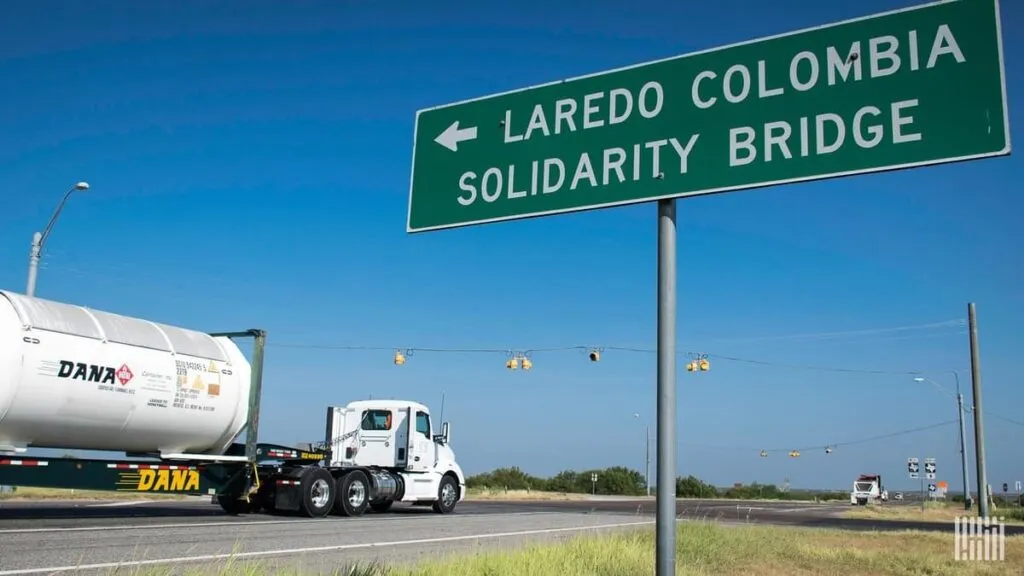
Nuevo León Governor Samuel García unveiled a $135 billion foreign direct investment surge, a tenfold jump in daily freight crossings—from 800 to over 10,000—at the Colombia-Solidarity Bridge since 2022, and $17 billion in planned border infrastructure including Green Corridors. The state is expanding security with 10 helicopters and 200–300 highway officers, launching a 40-hectare border industrial zone and a 988-acre zone in Pesquería hosting 400 auto suppliers. NADBank pledged $164 million for water resilience in the Texas-Mexico border region during its 2026 San Antonio summit.

ATA flags $20M in improper military freight awards at 12 offices
ESG & Regulation

ATA flags $20M in improper military freight awards at 12 offices

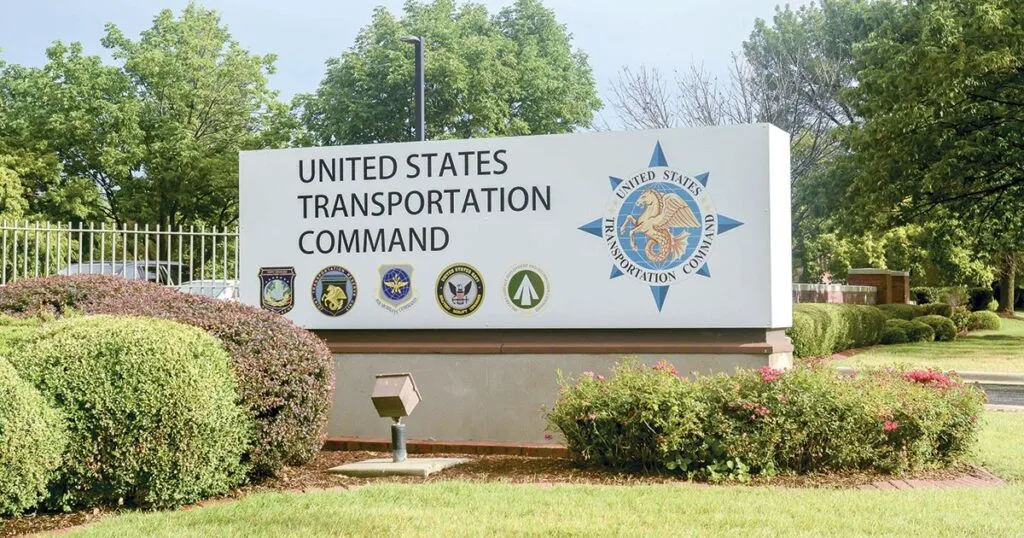
The American Trucking Associations (ATA) warned Secretary of Defense Pete Hegseth in an August 27, 2026 letter that weaknesses in military freight oversight threaten safety, security, and supply chain integrity. A 90-day review in 2024 across 12 bill of lading offices found 80% of shipments—valued at over $20 million—may have been mishandled or awarded inconsistently with policy. ATA cited awards to carriers lacking DOT operating authority, required insurance, or capacity, and noted repeated use of non-competitive processes. Issues date back to 2009, and ATA submitted a 38-page presentation to U.S. Army Transportation Command (Artrans) in October 2024. ATA supports FY2026 NDAA reforms, including mandated audits and inspector general reviews.

Arizona police recover $400K in stolen cargo in 20-minute span
Warehousing & Transport

Arizona police recover $400K in stolen cargo in 20-minute span

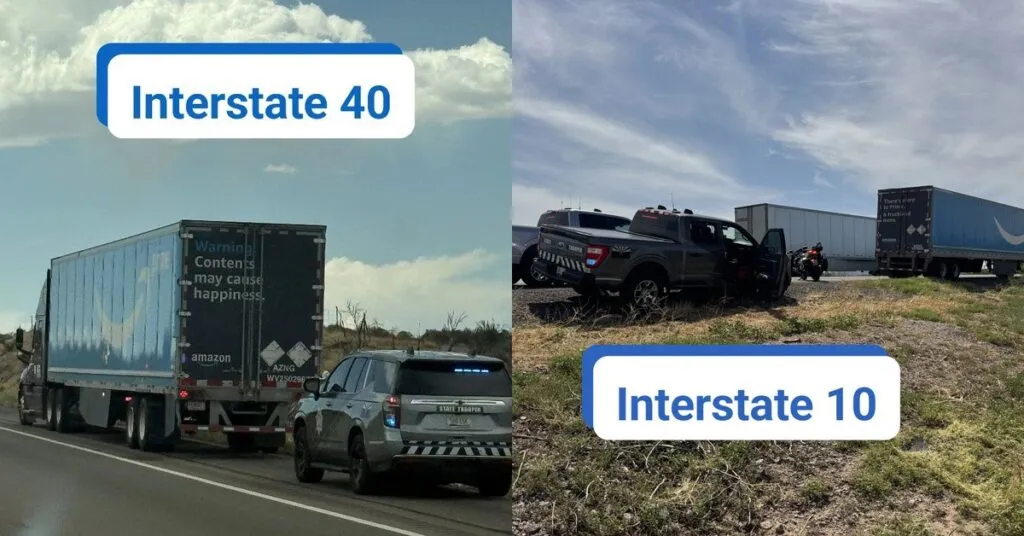
Arizona police recovered $400,000 in stolen cargo during two traffic stops conducted just 20 minutes apart. The first stop occurred at 3:17 p.m., the second at 3:37 p.m. Both drivers were arrested and charged with felony theft and trafficking in stolen property. The stolen goods — high-value electronics and retail merchandise — originated from a logistics facility in Maricopa County and were fully recovered and returned to the owner by August 28, 2026. The operation involved inter-agency coordination between the Arizona Department of Public Safety and local county sheriff’s offices.

Welcome Back!

Login to your account below

Create New Account!

Fill the forms below to register

Retrieve your password

Please enter your username or email address to reset your password.

Scan to share via WeChat

Open WeChat and scan the QR code to share

QR Code

Add New Playlist