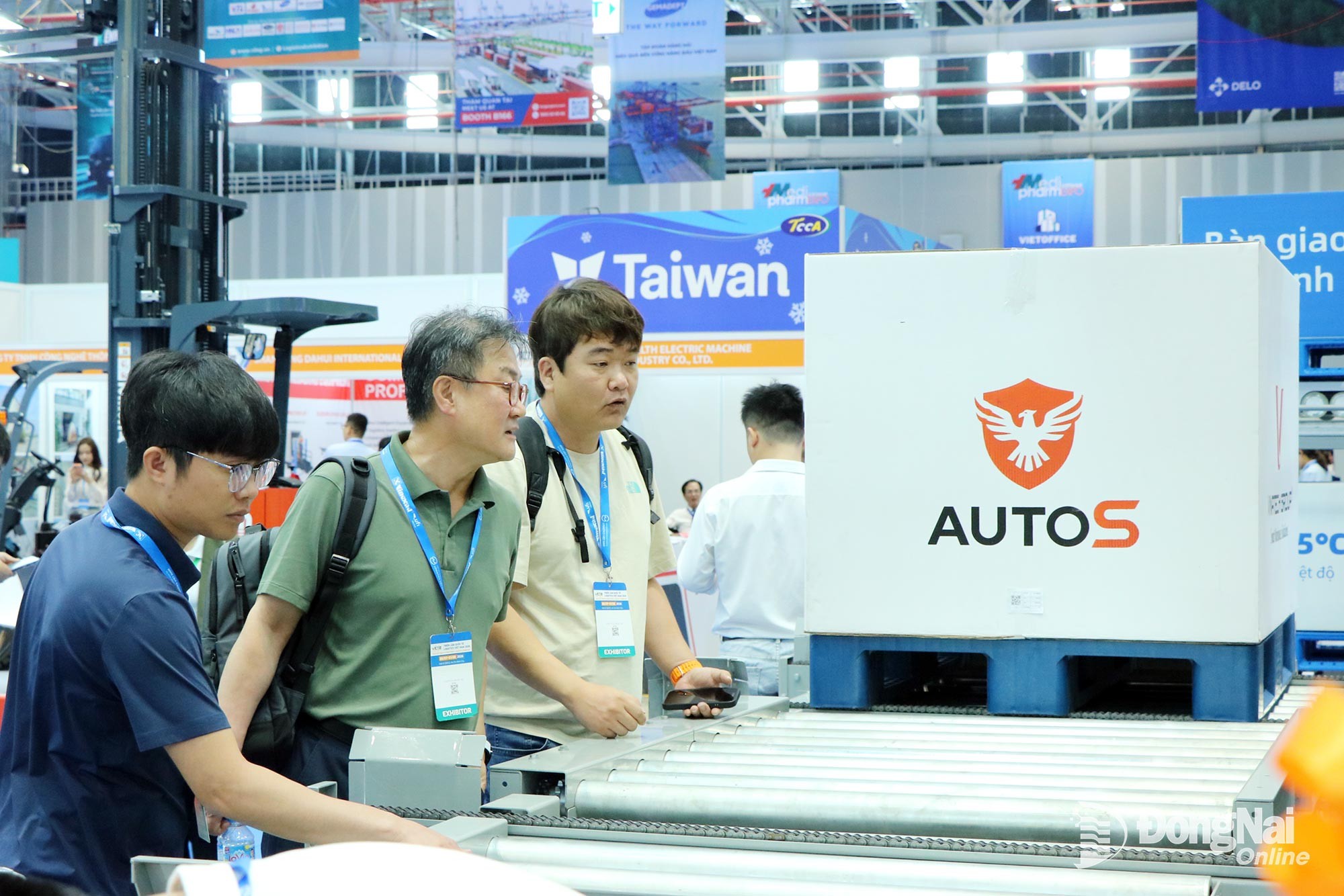
According to www.vietnam.vn, the Vietnam International Logistics Exhibition 2026 (VILOG 2026) attracted 450 enterprises and ran from 30–31 July 2026 in Ho Chi Minh City — marking a pivotal moment in Vietnam’s strategic repositioning of logistics as a core economic driver rather than a supporting service.
Logistics as Economic Circulatory System
The article frames logistics as the “lifeblood of the economy” — a metaphor used repeatedly across Vietnamese policy discourse — emphasizing its decisive role in global supply chain competitiveness. Unlike traditional manufacturing or extraction sectors, logistics does not produce physical goods but governs the speed and reliability of raw material inflows, finished-goods distribution, and information exchange across the entire value chain. As global investment patterns shift and green standards tighten, the sector’s strategic weight has intensified: competition no longer hinges solely on cost or transit time, but on integrated tech-enabled connectivity — including data interoperability, AI-driven route optimization, and multimodal synchronization.
Technology and Green Transition Drive Sectoral Shift
At VILOG 2026, Đào Trọng Khoa, Chairman of the Vietnam Logistics Services Business Association, stated that the industry is undergoing a profound transformation driven by artificial intelligence, automation, and digitalization. This shift, he emphasized, is not merely technological evolution but an operational necessity for cost control, service responsiveness, and compliance with escalating global market demands. A high-performing logistics system enables businesses to cut inventory holding time, optimize working capital flow, reduce warehousing expenses, and improve order fulfillment rates — while any single point of failure can cascade into full production halts.
“This is not just a technology trend — it is an essential requirement for logistics enterprises to enhance operational efficiency, optimize costs, and meet increasingly demanding global market expectations.” — Đào Trọng Khoa, Chairman, Vietnam Logistics Services Business Association
National Policy Alignment: Digital, Green, Multimodal
From a regulatory perspective, Nguyễn Anh Sơn, Director of the Export-Import Department under Vietnam’s Ministry of Industry and Trade, underscored that next-generation logistics development must be anchored in three pillars: digital transformation, green logistics, and intermodal integration. These priorities directly support national goals to lower logistics costs — currently estimated at 16.5% of GDP (per World Bank 2023 data cited in related Vietnamese government reports), though the figure is not repeated verbatim in this source — and strengthen export competitiveness. The strategy also aims to deepen Vietnam’s participation in global value chains by enabling seamless handoffs between sea, road, rail, air, and inland container depots (ICDs).
“Developing logistics in the new phase must be linked with digital transformation, green logistics, and multimodal connectivity. This is a key solution to reduce logistics costs, enhance the competitiveness of Vietnamese goods, and help enterprises integrate more deeply into global value chains.” — Nguyễn Anh Sơn, Director, Export-Import Department, Ministry of Industry and Trade
Đồng Nai: Infrastructure Convergence as Strategic Catalyst
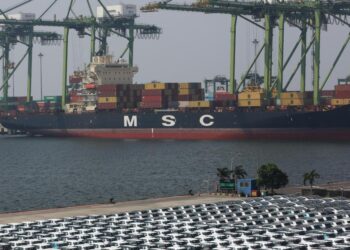
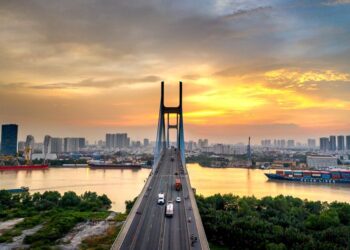
The province of Đồng Nai emerges as a focal point for implementation, leveraging its status as home to one of Vietnam’s largest industrial park clusters. Its strategic advantage lies in converging infrastructure assets: Long Thành International Airport (under construction), Phước An Port, a dense network of expressways and national highways, and multiple inland container depots. According to Vũ Ngọc Long, Director of the Đồng Nai Department of Industry and Trade, logistics will serve as a primary growth engine for industrial and commercial expansion — transforming the province from a manufacturing hub into a regional distribution, transshipment, and value-addition center.
The province’s ambition is reinforced by Trần Thanh Hải, Deputy Director of the Export-Import Department, who stressed that infrastructure alone is insufficient: Đồng Nai must prioritize high-value-added logistics services and foster tighter collaboration between manufacturers and logistics providers. This linkage is critical to cutting transaction costs and elevating Vietnamese exports’ position in international markets.
Port-Centric Ecosystems Enable End-to-End Solutions
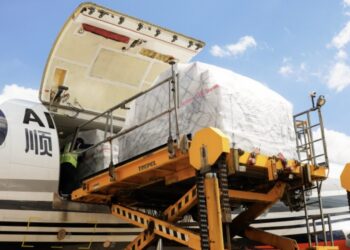
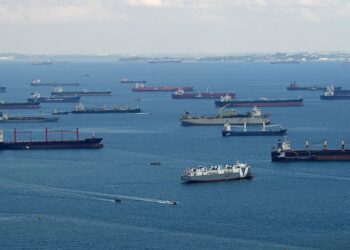
From the enterprise level, Trương Hoàng Hải, CEO of Phước An Port Investment and Exploitation Joint Stock Company, argued that modern ports must evolve beyond cargo handling capacity. Their true value lies in acting as ecosystem nuclei — integrating seamlessly with industrial zones, logistics centers, ICDs, road and waterway networks, and air cargo facilities. When fully connected, such ecosystems deliver end-to-end services: bonded warehousing, cross-docking, customs clearance, labeling, kitting, and last-mile delivery — shortening lead times and compressing overall logistics expenditures.
“The value of a modern seaport lies not only in its cargo-handling capacity but also in its ability to become the nucleus of a logistics ecosystem. When the port connects with industrial parks, logistics centers, ICDs, roads, waterways, and air transport, enterprises receive integrated services — from warehousing and distribution to value-added activities — thereby shortening circulation time and lowering logistics costs.” — Trương Hoàng Hải, CEO, Phước An Port Investment and Exploitation Joint Stock Company
With these linkages advancing, Đồng Nai is positioned to build a truly multimodal logistics corridor — where goods do not merely pass through, but accrue measurable value at each node. Success hinges on deploying data platforms, interoperable IT systems, and standardized green protocols across all modal interfaces.
Source: vietnam.vn
Compiled from international media by the SCI.AI editorial team.