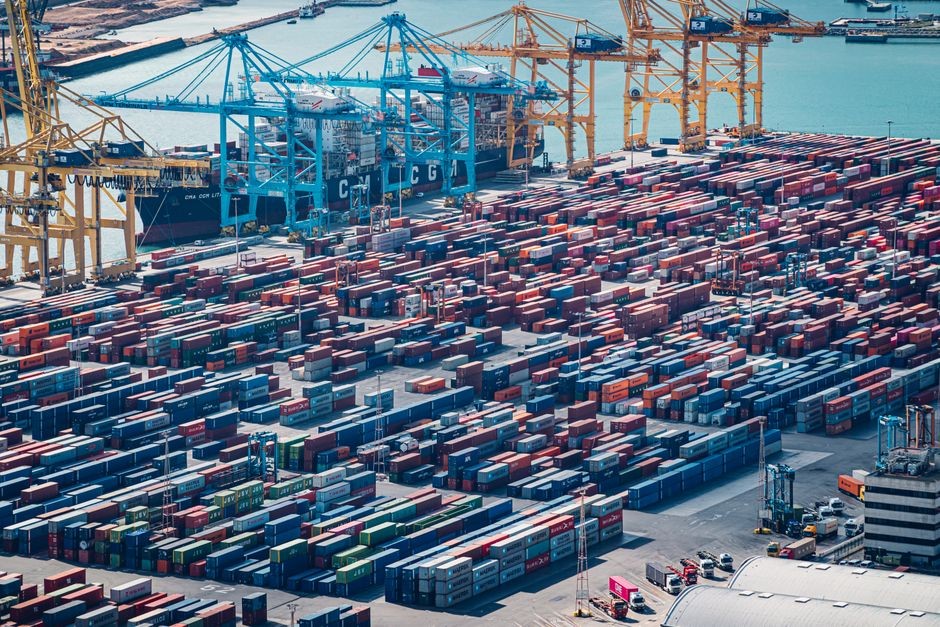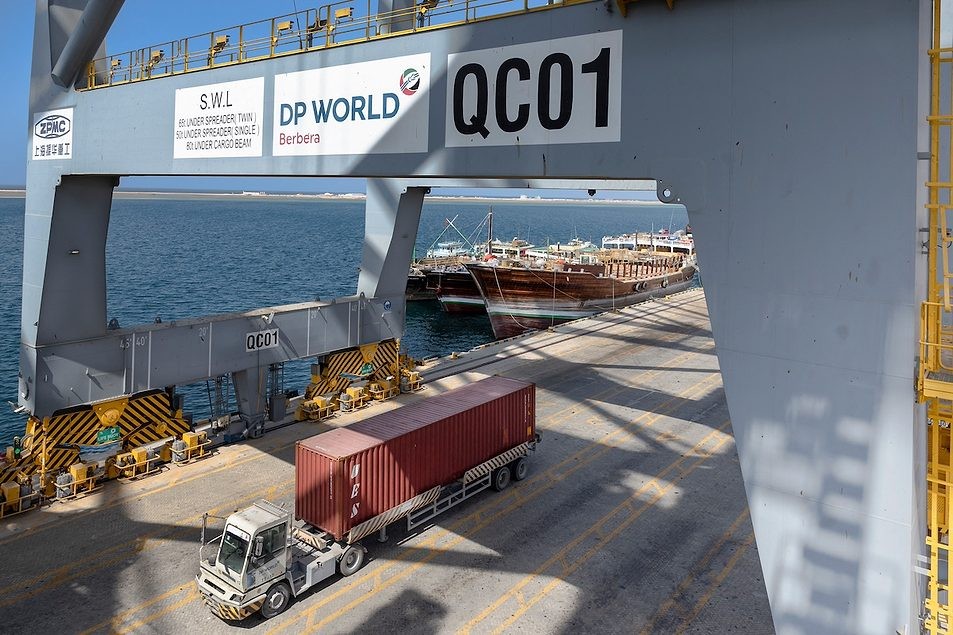
According to www.supplychainbrain.com, A.P. Moller-Maersk A/S and Hapag-Lloyd AG announced on July 6, 2026 their joint decision to reinstate container vessel transit through the Red Sea and Suez Canal — ending a nearly three-year diversion around Africa’s Cape of Good Hope.
Joint Service Realignment
The two carriers operate under the Gemini capacity-sharing alliance. Their coordinated move targets the Asia–Europe trade lane linking the southern Mediterranean with China. According to Maersk’s official statement, the decision “comes following thorough assessments of the security situation in the Red Sea area” and marks “a step towards a gradual return to a trans-Suez network.”
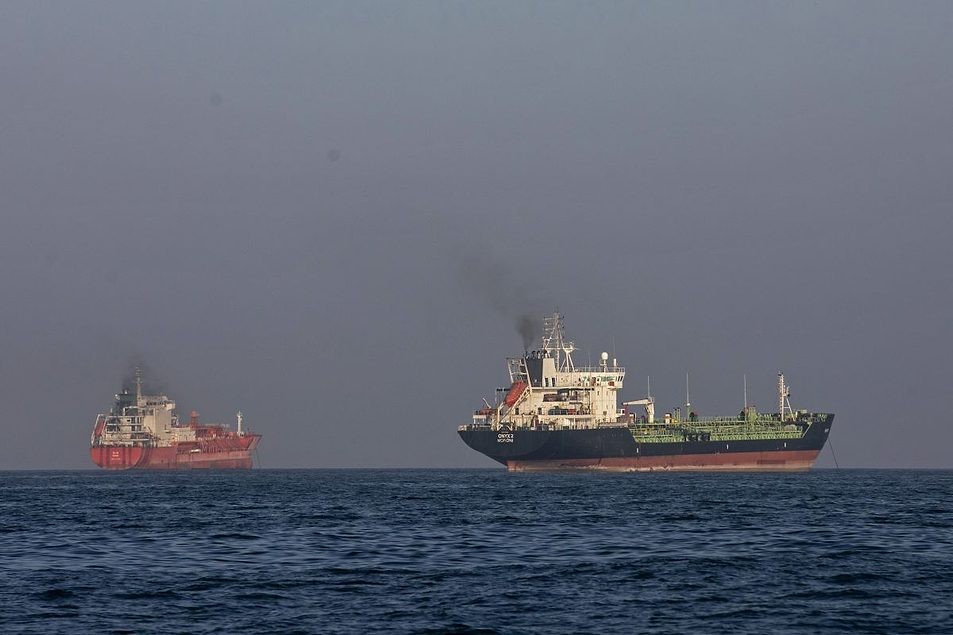
The first vessel scheduled for redirection is the Majestic Maersk, currently positioned near Oman as confirmed by ship-tracking data compiled by Bloomberg. The service shift is expected to reduce voyage duration by approximately 10–12 days compared to the Cape route, cutting fuel consumption and lowering emissions per TEU.
Market Impact and Share Reaction
Investors reacted swiftly: Maersk, headquartered in Copenhagen and ranked as the world’s second-largest container line, saw its shares fall as much as 9% — its steepest intraday decline since May 7, 2026. Hapag-Lloyd, the fifth-largest global carrier and based in Hamburg, Germany, dropped up to 4.6%, its largest single-day slide since April 2, 2026. Analysts attributed the sell-off to expectations that restored Red Sea access would ease tight vessel capacity and suppress spot freight rates, which had surged 37% over the prior four weeks amid peak-season demand and extended transit times.
Since late 2023, most major container lines avoided the Red Sea after Yemen-based Houthis began targeting commercial vessels in solidarity with Palestinians during the Israel–Gaza conflict. Though some carriers signaled tentative returns earlier in 2026, renewed hostilities following the outbreak of the Iran war in late February disrupted those plans and reinforced maritime risk assessments.
Operational and Economic Implications
The detour around southern Africa adds roughly 3,000 nautical miles to Asia–Europe voyages, increasing voyage time by 14–18 days and raising bunker costs by an estimated $250,000–$350,000 per round trip. With global container fleet utilization hovering near 92% ahead of Q3 peak season, the extended routing strained port call scheduling and contributed to terminal congestion in Rotterdam, Hamburg, and Los Angeles.
For supply chain professionals, the resumption signals measurable near-term relief: reduced transit variability, lower demurrage exposure, and improved predictability for just-in-time manufacturing flows reliant on Asia-sourced components. However, insurers continue requiring war-risk surcharges — currently averaging 1.2% of base freight — and armed escort protocols remain mandatory for vessels transiting the southern Red Sea corridor.
The Gemini alliance’s move does not yet represent full normalization. Both carriers emphasized “gradual” reintegration and confirmed no immediate expansion beyond the initial Asia–Europe loop. Other major operators — including COSCO and MSC — have not announced similar shifts, citing ongoing threat assessments from naval coalition reports issued jointly by the U.S., U.K., and EU.
Source: Supply Chain Brain
Compiled from international media by the SCI.AI editorial team.