According to www.supplychainbrain.com, DP World remains “bullish” on its long-term investment strategy in Africa despite acute inflationary pressures triggered by the Iran conflict and resulting disruption to global energy flows.
Continued Investment Amid Geopolitical Strain
The global port operator has invested $4 billion across Africa over the past five years, with Mohammed Akoojee, DP World’s chief executive officer and managing director for Africa, confirming plans to commit another $4 billion toward new port development corridors and integrated logistics infrastructure. This brings the company’s total committed capital for the continent to $8 billion over a decade-long horizon.
Projects currently underway include the expansion of Maputo Port in Mozambique and the construction of the Democratic Republic of Congo’s first deep-water port — scheduled for completion in the first quarter next year. These developments are part of a broader shift from standalone port operations to end-to-end logistics ecosystems connecting ports with inland trade routes.
Fuel Crisis Drives Pricing and Operational Adjustments
DP World operates more than 7,000 trucks across Africa, with South Africa housing its largest fleet. There, fuel prices have surged by approximately 75%, directly impacting transportation costs. As Akoojee explained in an interview at a conference in Kigali, Rwanda:
“We’ve got to increase our pricing and that’s not great because that results in inflation.” — Mohammed Akoojee, CEO and Managing Director for Africa, DP World
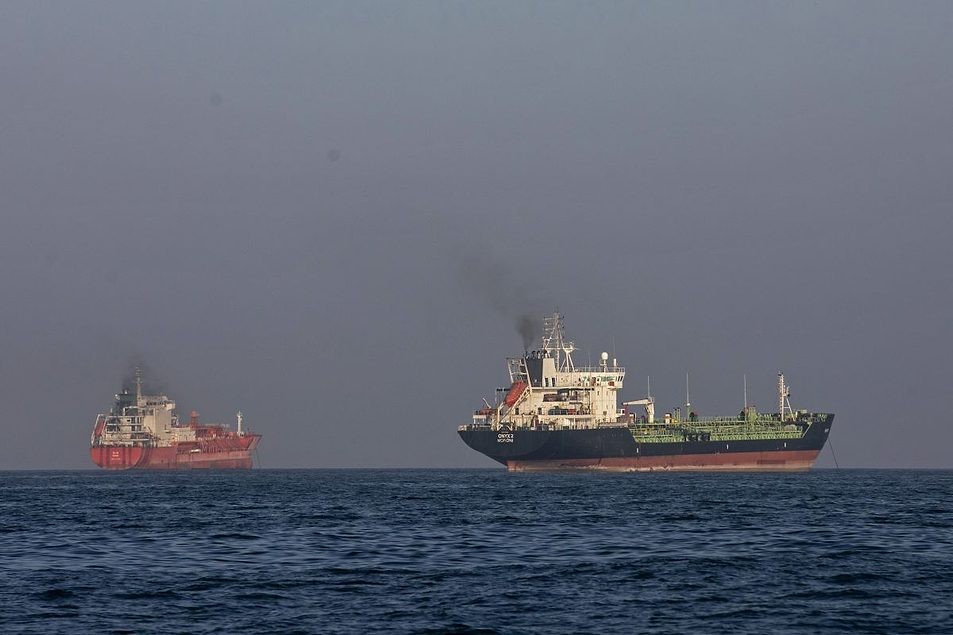
The escalation stems from the effective closure of the Strait of Hormuz since late February 2026, following U.S.-Israel military actions against Iran. The strait — a critical maritime chokepoint — handles roughly one-fifth of global oil and gas shipments. Its closure has pushed crude oil prices above $100 per barrel, compounding cost pressures across African supply chains.
Supply Chain Disruptions and Regional Reconfiguration
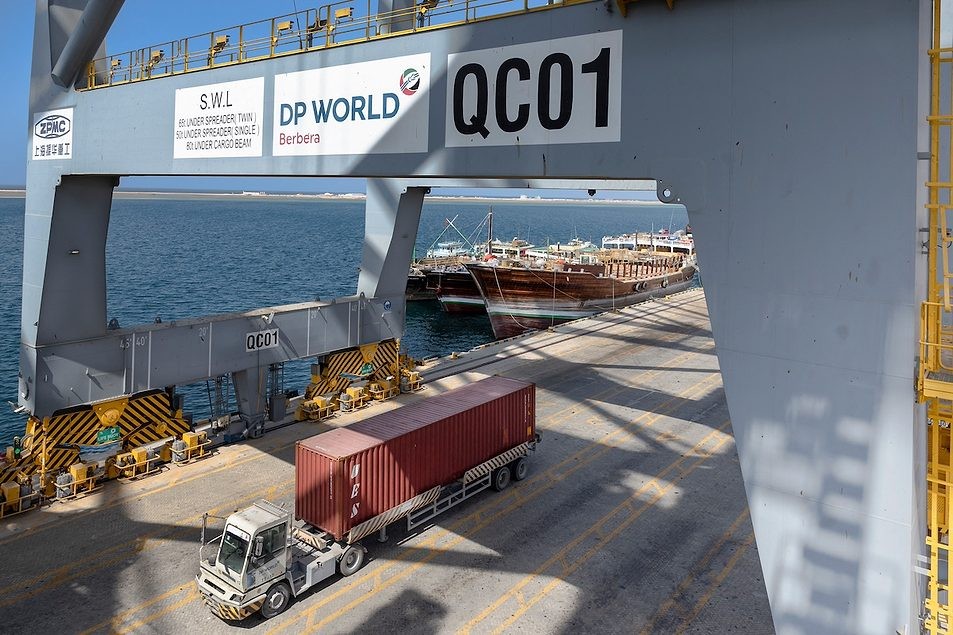
The Strait of Hormuz blockade has disrupted key shipping corridors into Africa, isolating DP World’s major Jebel Ali hub in Dubai and affecting cargo flows to Berbera in Somalia and onward to Ethiopia. Akoojee confirmed:
“That has been something we’re having to deal with.” — Mohammed Akoojee, CEO and Managing Director for Africa, DP World
In response, DP World is accelerating investments in infrastructure linking ports to regional supply routes — particularly corridors connecting Tanzania, Rwanda, Zambia, and the Democratic Republic of Congo. These linkages aim to reduce dependency on volatile international maritime lanes and strengthen intra-African trade resilience.
Strategic Shift Toward Integrated Logistics Ecosystems
Akoojee emphasized that DP World’s business model in Africa has evolved beyond traditional port management:
“Our business has changed from just being a port business to becoming more of an ecosystem for logistics, for trade.” — Mohammed Akoojee, CEO and Managing Director for Africa, DP World
This transformation includes warehousing, inland transport, customs brokerage, and digital supply chain visibility tools — all deployed across a network spanning Mozambique, Congo, Somalia, Ethiopia, and Rwanda. The company continues to prioritize projects aligned with the African Continental Free Trade Area (AfCFTA) framework, though the AfCFTA itself is not cited as a direct driver in the source material.
Source: Supply Chain Brain
Compiled from international media by the SCI.AI editorial team.