According to theedgemalaysia.com, a 7.1-magnitude earthquake struck Kumamoto Prefecture in Japan on Tuesday, July 28, 2026, triggering widespread production suspensions across Kyushu’s semiconductor and automotive manufacturing hubs.
Automotive Production Halted Across Three Toyota Plants
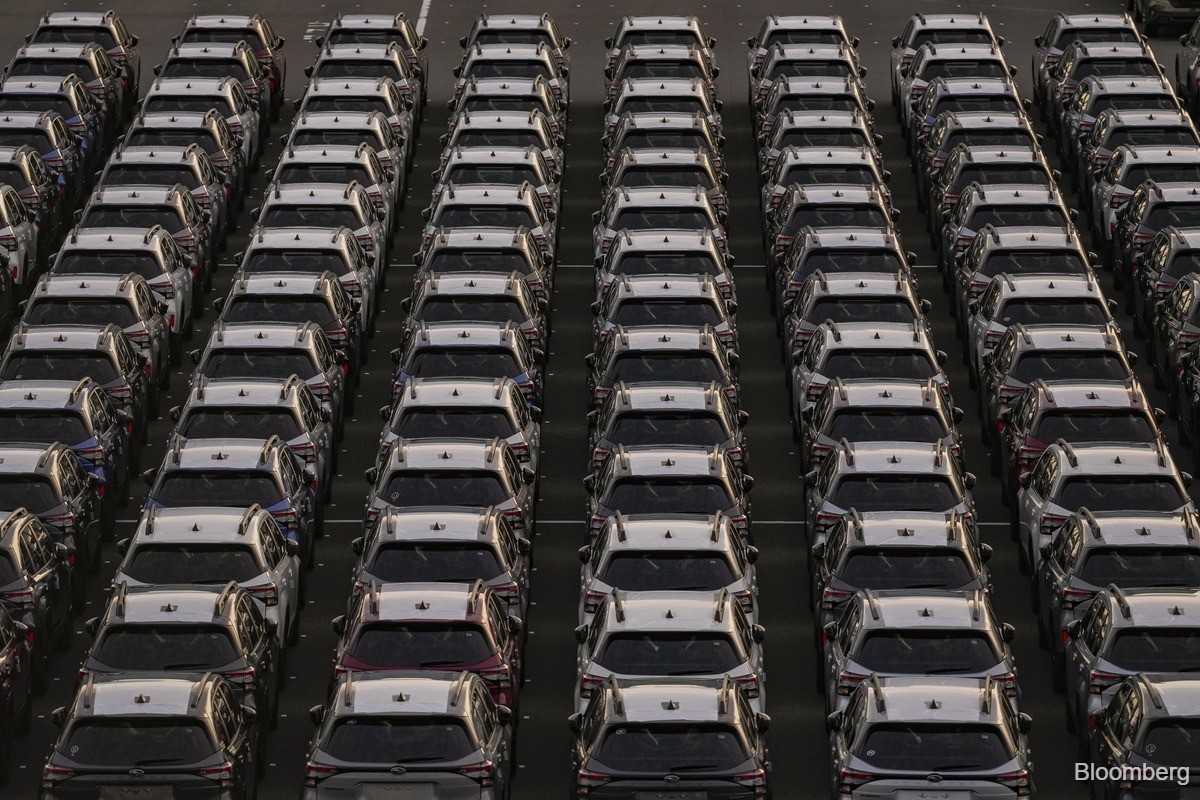
Toyota, the world’s largest automaker, suspended operations at its Miyata, Kanda, and Kokura plants in southern Japan from Wednesday, July 29 through Friday, July 31. The suspension followed a brief resumption of production that had been halted the previous day — underscoring the volatility of post-quake recovery. The Miyata plant alone has an annual production capacity of 430,000 vehicles, including a wide range of Lexus luxury models; Kanda and Kokura produce hybrid car units and engines.
The company stated:
“The situation, including aftershocks and recovery efforts, is changing daily.” — Toyota, in a statement on plant suspensions
Toyota emphasized that the disruptions stem not only from direct facility damage but also from cascading impacts on suppliers and logistics networks across Kyushu.
Semiconductor Sector Impacted Across Multiple Fabs
Chipmaker Renesas halted operations at two facilities in Kumamoto after reporting fallen ceiling panels, wall cracks, and water leakage. Meanwhile, TSMC evacuated staff at its Japan Advanced Semiconductor Manufacturing (JASM) fab in Kumamoto immediately after the quake. All personnel were confirmed safe, and structural inspections completed by late Tuesday confirmed building integrity. Operations began gradually resuming, though detailed impact assessments remained ongoing.
Tokyo Electron, a major chipmaking equipment manufacturer, reported no major damage at its Koshi and Ozu plants in Kumamoto but suspended operations on Wednesday for safety checks. Similarly, Sony evacuated employees and halted production at its Kumamoto semiconductor manufacturing facilities on Tuesday, while confirming no significant damage at its other sites in Nagasaki, Oita, and Kagoshima prefectures.
Motorcycle and EV Supply Chain Adjustments
Honda Motor extended its operation suspension at its Kumamoto motorcycle plant through Friday, July 31 to facilitate repairs to quake-damaged sections of the factory. Nissan reported no planned shutdowns at its Fukuoka plant — located north of Kumamoto — where it manufactures the Rogue SUV (sold locally as the X-Trail). However, the company confirmed it was actively monitoring supplier and logistics conditions across the region.
Kyushu remains a critical node in global supply chains: it hosts over 30% of Japan’s domestic semiconductor wafer production capacity and supplies key components to automakers across Asia and North America. The 2011 Tohoku earthquake — which temporarily crippled parts of Japan’s auto supply chain and caused ripple effects worldwide — serves as a sobering historical precedent for current risk assessments.
Infrastructure and Logistics Fallout
The earthquake damaged roads and knocked out power to thousands of homes in Kumamoto Prefecture — disrupting just-in-time delivery routes relied upon by Tier 2 and Tier 3 suppliers. With Kyushu accounting for approximately 12% of Japan’s total automobile component output and hosting more than 200 certified Tier 1 suppliers, even short-term facility closures pose material risks to quarterly output targets. According to the report, logistics bottlenecks are expected to persist for at least 7–10 days while road repairs and utility restoration proceed under aftershock advisories.
- Toyota’s Miyata plant: 430,000 vehicles/year capacity
- Renesas’ two Kumamoto plants: fully halted post-quake
- TSMC JASM fab: staff evacuated, structural safety confirmed, gradual restart
- Honda Kumamoto motorcycle plant: suspension extended to July 31
- Nissan Fukuoka plant: operational, but supplier monitoring active
Source: theedgemalaysia.com
Compiled from international media by the SCI.AI editorial team.