Explore

  • Trending
  • Latest
  • Tools
  • Browse
  • AI Assistant
  • Subscription Feed

Logistics

  • Ocean
  • Air Cargo
  • Road & Rail
  • Warehousing
  • Last Mile

Regions

  • Southeast Asia
  • South Asia
  • Central Asia
  • Japan & Korea
  • Middle East
  • Europe
  • Russia
  • Africa
  • North America
  • Latin America
  • Australia
SCI.AI
  • Supply Chain
    • Strategy & Planning
    • Logistics & Transport
    • Manufacturing
    • Inventory & Fulfillment
  • Procurement
    • Strategic Sourcing
    • Supplier Management
    • Supply Chain Finance
  • Technology
    • AI & Automation
    • Robotics
    • Digital Platforms
  • Risk & Resilience
  • Sustainability
  • Research
  • Expert Columns
  • English
    • Chinese
    • English
No Result
View All Result
  • Login
  • Register
SCI.AI
No Result
View All Result
Home Southeast Asia Supply Chain

US bans Chinese humanoid robots, inverters — AI supply chain shift looms

2026/07/29
in Southeast Asia Supply Chain
0 0
US bans Chinese humanoid robots, inverters — AI supply chain shift looms

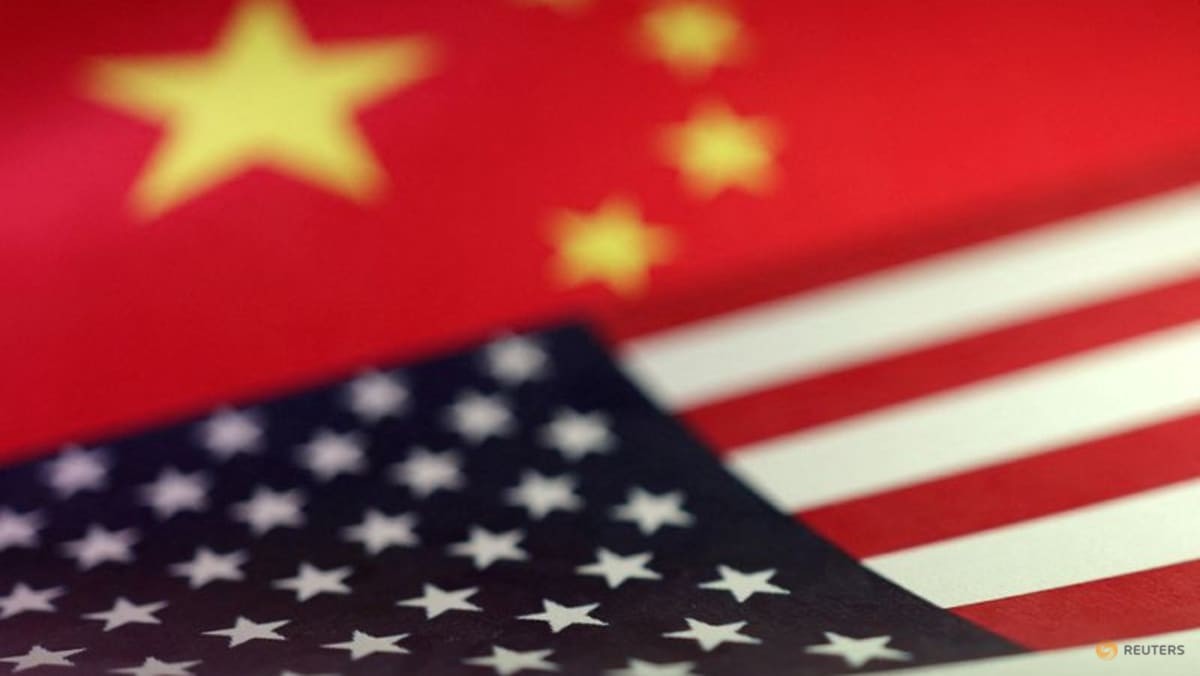
According to feedberry.com, the U.S. Federal Communications Commission (FCC) enacted a ban on July 28, 2026, prohibiting imports of Chinese-made humanoid and quadruped robots as well as connected power inverters used in renewable energy integration and data center infrastructure.

Regulatory Scope and Rationale

The FCC’s action targets two classes of hardware deemed critical to national security and AI infrastructure resilience: humanoid robots, quadruped robots, and connected power inverters. The regulation, issued under the Trump administration, took effect on July 28, 2026, and explicitly cites risks of espionage, data theft, and cyberattacks from Chinese-manufactured devices embedded in U.S. AI and cloud computing systems. As stated by U.S. officials,

“Security of the economy is national security,” and this policy forms part of a broader American reindustrialization agenda.

The ban applies to products from companies including Unitree, DJI, and Huawei.

Global Supply Chain Implications

While the measure directly affects U.S. technology firms reliant on Chinese robotics and inverter imports—and Chinese manufacturers themselves—it also triggers cascading effects across global manufacturing geographies. According to the report, the policy is not merely an escalation of trade tensions but a structural intervention designed to force reshoring or relocation to trusted allied jurisdictions. Southeast Asia, particularly Indonesia, emerges as a potential beneficiary due to its established electronics manufacturing base, competitive labor costs, and strategic reserves of nickel—a key raw material for batteries and power electronics. However, the source emphasizes that no direct foreign investment has yet been confirmed; all projections remain contingent on upcoming data.

Economic Risks for Indonesia

The same regulatory move carries significant downside risks for Indonesia’s export-dependent economy. China is the largest buyer of Indonesian coal, nickel, and crude palm oil (CPO). Should Beijing retaliate with export restrictions—or if Chinese demand weakens due to reduced U.S. market access—the resulting commodity price pressure could materially affect Indonesia’s export revenues. Indeed, the source notes that USD/IDR has already reached elevated levels, reflecting heightened risk-off sentiment linked to global trade friction. Further, Indonesian exporters whose supply chains incorporate Chinese components—including those in textiles and consumer electronics—face increased scrutiny over rules of origin and possible secondary tariffs.

Monitoring Indicators and Timelines

Feedberry identifies three near-term indicators to assess real-world impact. First, China’s response within the next 1–2 weeks—especially any export curbs on critical minerals or new tariffs on U.S. firms—will signal escalation risk. Second, rising production costs may hit Indonesian manufacturers dependent on imported Chinese components if the U.S. expands the ban to downstream goods. Third, the most concrete validation will come from the Q3 2026 foreign direct investment (FDI) data released by Indonesia’s Investment Coordinating Board (BKPM), which could reveal whether electronics or robotics firms previously based in China are initiating formal investment applications. As the report cautions,

“This is not yet about realized investment—but about measurable signals of intent and feasibility.”

Strategic Context for ASEAN Manufacturing

Indonesia’s positioning rests on verifiable advantages: it holds the world’s largest nickel reserves, hosts growing electronics assembly capacity, and maintains relative political and macroeconomic stability compared to regional peers. Yet the report stresses that competitiveness hinges on more than raw materials and labor cost—it requires reliable power infrastructure, skilled technical labor, and streamlined regulatory processes for high-tech manufacturing. No new incentives or policy adjustments from Jakarta are cited in the source, and the timeline for any potential FDI acceleration remains unconfirmed. The current analysis draws exclusively on publicly reported developments as of July 28, 2026, with no forward-looking projections beyond the immediate monitoring framework outlined above.

Source: feedberry.com

Compiled from international media by the SCI.AI editorial team.

More on This Topic

  • Vietnam Logistics Sees Global Supply Chain Shift Amid $1.2B Infrastructure Gap (Jul 29, 2026)
  • Brazil Supply Chain AI Adoption Stalls at 14% for Advanced Use (Jul 29, 2026)
  • China pledges $65B in Indonesia mineral manufacturing (Jul 28, 2026)
  • Vietnam Logistics Costs Hit 16–17% of GDP, Above Global Average (Jul 28, 2026)
  • China pledges manufacturing aid to Indonesia to secure nickel supply chain (Jul 27, 2026)
ShareTweet

Related Posts

Vietnam Logistics Sees Global Supply Chain Shift Amid $1.2B Infrastructure Gap
Southeast Asia Supply Chain

Vietnam Logistics Sees Global Supply Chain Shift Amid $1.2B Infrastructure Gap

July 29, 2026
2
Brazil Supply Chain AI Adoption Stalls at 14% for Advanced Use
Southeast Asia Supply Chain

Brazil Supply Chain AI Adoption Stalls at 14% for Advanced Use

July 29, 2026
1
China pledges $65B in Indonesia mineral manufacturing
Southeast Asia Supply Chain

China pledges $65B in Indonesia mineral manufacturing

July 28, 2026
6
Vietnam Logistics Costs Hit 16–17% of GDP, Above Global Average
Southeast Asia Supply Chain

Vietnam Logistics Costs Hit 16–17% of GDP, Above Global Average

July 28, 2026
4
China pledges manufacturing aid to Indonesia to secure nickel supply chain
Southeast Asia Supply Chain

China pledges manufacturing aid to Indonesia to secure nickel supply chain

July 27, 2026
20
Vietnam Logistics Targets 12–15% Growth Amid $550B Trade Surge
Southeast Asia Supply Chain

Vietnam Logistics Targets 12–15% Growth Amid $550B Trade Surge

July 27, 2026
7

Leave a Reply Cancel reply

Your email address will not be published. Required fields are marked *

Recommended

Trump Pushes Nuclear-Powered Shipping: 1 Initiative

Trump Pushes Nuclear-Powered Shipping: 1 Initiative

24 Views
May 11, 2026
Trailer Storage Surge: 7 Key Drivers Reshaping North American Supply Chains

Trailer Storage Surge: 7 Key Drivers Reshaping North American Supply Chains

14 Views
March 24, 2026
FedEx revenue rises 8.3% to $24B; UPS falls 1.6% in Q1

FedEx revenue rises 8.3% to $24B; UPS falls 1.6% in Q1

26 Views
June 21, 2026
Supply Chain Security Central to Make in India 2.0

Supply Chain Security Central to Make in India 2.0

41 Views
April 21, 2026
Show More

SCI.AI

Global Supply Chain Intelligence. Delivering real-time news, analysis, and insights for supply chain professionals worldwide.

Categories

  • Supply Chain Management
  • Procurement
  • Technology


  • Risk & Resilience
  • Sustainability
  • Research

© 2026 SCI.AI. All rights reserved.

Powered by SCI.AI Intelligence Platform

Welcome Back!

Sign In with Facebook
Sign In with Google
Sign In with Linked In
OR

Login to your account below

Forgotten Password? Sign Up

Create New Account!

Sign Up with Facebook
Sign Up with Google
Sign Up with Linked In
OR

Fill the forms below to register

All fields are required. Log In

Retrieve your password

Please enter your username or email address to reset your password.

Log In

Scan to share via WeChat

Open WeChat and scan the QR code to share

QR Code

Add New Playlist

No Result
View All Result
  • Supply Chain
    • Strategy & Planning
    • Logistics & Transport
    • Manufacturing
    • Inventory & Fulfillment
  • Procurement
    • Strategic Sourcing
    • Supplier Management
    • Supply Chain Finance
  • Technology
    • AI & Automation
    • Robotics
    • Digital Platforms
  • Risk & Resilience
  • Sustainability
  • Research
  • Expert Columns
  • English
    • Chinese
    • English
  • Login
  • Sign Up

© 2026 SCI.AI