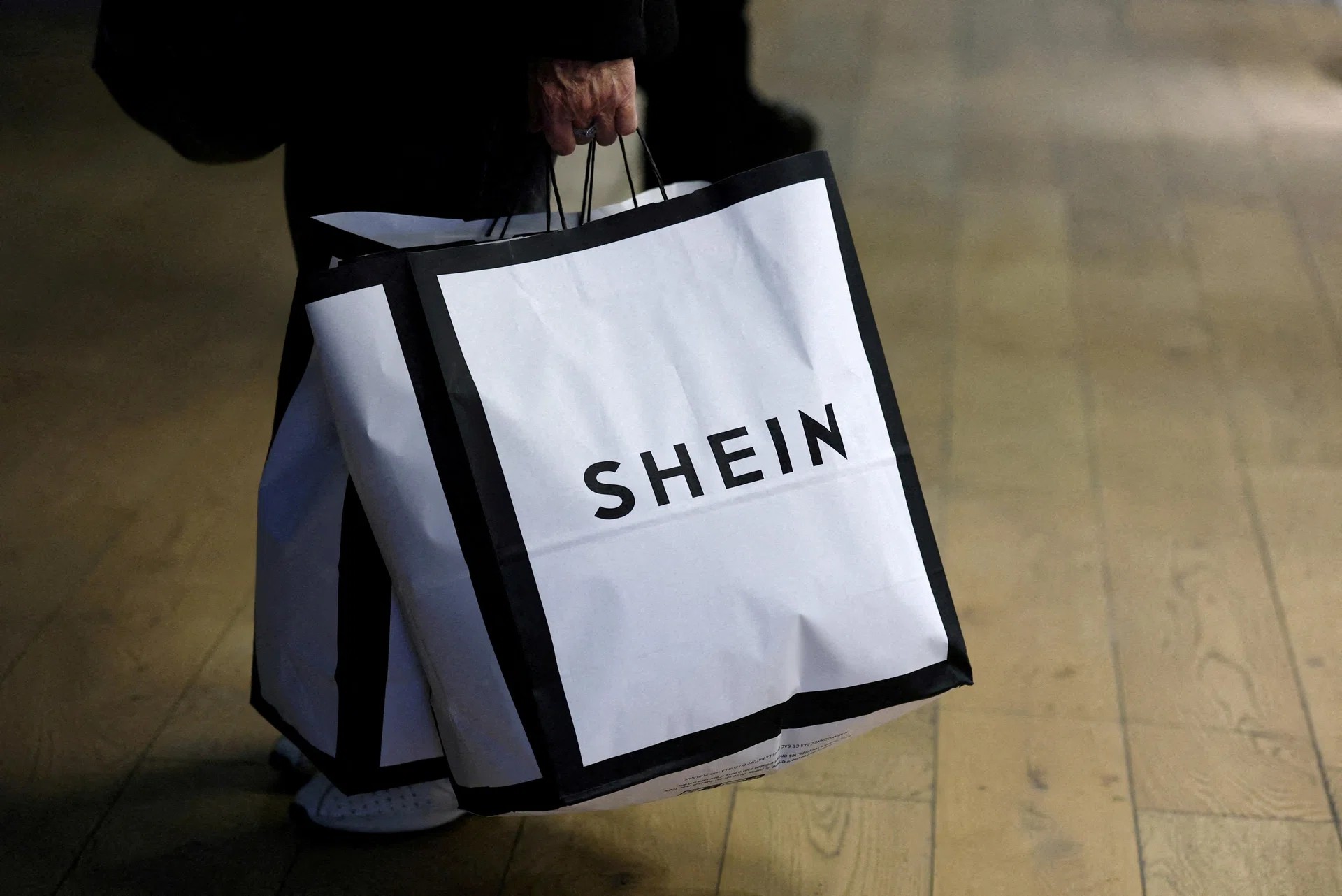
According to www.businesstimes.com.sg, Shein reported a US$99 million net loss for the first quarter of 2026, reversing from a US$395 million profit in the same period a year earlier — a development disclosed in its pre-IPO filing ahead of its Hong Kong listing.
Financial Impact of Tariff Policy Shifts
The loss stems from two primary factors: slowing sales following the U.S. removal of the “de minimis” import duty exemption and a one-time accounting charge of US$328 million. The de minimis rule — which previously allowed packages valued under US$800 to enter the U.S. duty-free — was eliminated in May 2025. As a result, Chinese-origin products sold by Shein or through its marketplace and shipped to the U.S. now face tariffs ranging from 10% to 87.5%.
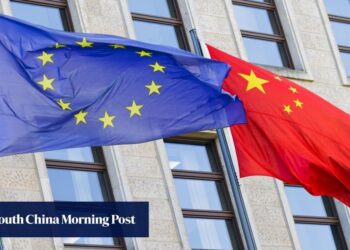
Shein’s U.S. revenue fell 14.3% to US$2.04 billion in Q1 2026 from US$2.38 billion in Q1 2025. The U.S. accounted for 22.5% of quarterly revenue — down from 29.4% of annual revenue in 2023. Europe, meanwhile, contributed about one-third of Shein’s revenues in 2025, and may face comparable headwinds following the EU’s imposition of a 3-euro fee on low-value e-commerce parcels this month.
Hong Kong IPO Clears Key Regulatory Hurdle
Shein won formal approval for its Hong Kong listing from the China Securities Regulatory Commission (CSRC) on Jul 10, 2026, clearing a major regulatory hurdle after failed attempts to list in New York and London. The company has not disclosed the size of the share sale, offer price, listing timetable, or expected proceeds in its draft prospectus.
The filing names Sky Yangtian Xu, founder since 2012, as chairman and chief executive. Donald Tang, former executive chairman, is no longer listed among directors or senior management. Joint sponsors for the offering include Goldman Sachs, Morgan Stanley, and JPMorgan. Pre-IPO investors named in the prospectus include IDG, Sequoia Capital, HongShan, Tiger Global, Boyu, Brookfield, and General Atlantic.
Slowing Growth and Margin Pressure
Company-wide financial metrics reflect mounting pressure: Shein’s 2025 net income declined 38.7% to US$2.06 billion versus the prior year, while total revenue rose 8% to US$41.85 billion — a deceleration from 20.7% growth in 2024. Its operating margin slipped to 2.9% in Q1 2026 from 3.9% in Q1 2025.
The company’s valuation expectations have also contracted sharply: it is now targeting US$40 to US$50 billion in its Hong Kong IPO, per Reuters reporting citing an informed source — far below the US$100 billion valuation assigned during a 2022 funding round.
Supply Chain Structure and Strategic Use of Proceeds
Despite its Singapore headquarters, Shein remains deeply anchored in China’s manufacturing ecosystem. In 2025, over 90% of its net revenue came from products stored in central warehouses located in China before shipping. The company stated that IPO proceeds would fund five core initiatives: technology enhancement, brand awareness expansion, global presence growth, corporate responsibility advancement, and general corporate purposes.
Shein acknowledged growing regulatory scrutiny across key markets, citing criticism related to supplier factory labor conditions, app design features, and air freight-related environmental impact. It affirmed a zero-tolerance policy on labor abuses and noted investments in risk assessment and mitigation frameworks. Regarding the EU fee, Shein warned in its prospectus:
“Although it remains too early to fully assess, it is possible that trends in the EU could be generally in line with or exceed the impact observed in the US after the removal of the US de minimis exemption.”
Source: businesstimes.com.sg
Compiled from international media by the SCI.AI editorial team.