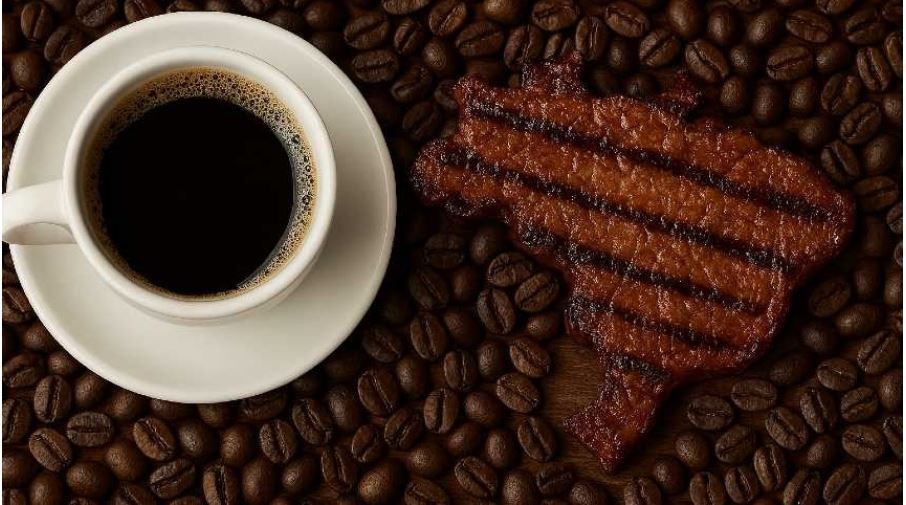
According to www.cnnbrasil.com.br, the U.S. government has excluded coffee, beef, and 45 other Brazilian agricultural products from a newly imposed 12.5% additional tariff announced on 23 July 2026.
Background: Section 301 Investigation and Tariff Rationale
The tariff stems from a U.S. Trade Representative (USTR) investigation launched in July 2025 under Section 301 of the U.S. Trade Act. The final report — spanning over 400 pages — concluded that Brazil employs trade practices deemed “unreasonable” in bilateral commerce. Key concerns cited include enforcement gaps related to forced labor, policies on deforestation and corruption, discriminatory tax treatment of U.S. ethanol, and operational issues with Brazil’s Pix instant payment system.
Exempted Products by Category
The exemptions cover 47 distinct product categories, classified under the U.S. Harmonized Tariff Schedule (HTSUS). These are grouped into six major agro sectors:
- Coffee: green, roasted, decaffeinated, soluble, husks and skins
- Beef and animal products: fresh, chilled, and frozen bovine meat; bovine offal; salted, dried, and smoked beef; certain animal feed ingredients; hides and skins
- Tropical fruits and derivatives: avocado, açaí, bananas, pineapple, papaya, frozen mango, other frozen tropical fruits, coconut and derivatives, coconut water, Brazil nuts, cashew nuts
- Agricultural inputs: planting seeds, seedlings and cuttings, seed potatoes, fertilizer inputs, pesticide inputs
- Plant and forest products: coconut fiber, jute, sisal cordage, wood and wood products, eucalyptus plywood veneers
- Others: sugar and sugar-containing products within tariff-rate quotas; paprika and derivatives
Market Impact and Sector Response
The USTR retained beef and avocado on the exemption list despite lobbying by U.S. industry groups during the public comment period — a decision informed by domestic supply constraints. As noted by the USTR, U.S. beef production is experiencing one of the worst supply shortages in recent history, making stable imports critical for market stability. Similarly, the Abics (Brazilian Soluble Coffee Industry Association) confirmed that coffee’s continued exemption provides vital support for export recovery. In a statement to CNN Agro, Abics said:
“The maintenance of coffee on the exception list gives breathing room for the recovery of Brazilian exports to the U.S. market.” — Abics
Implementation and Classification Dependence
Final confirmation of tariff exemption depends on precise HTSUS classification — not broad commodity names. Exporters must verify their specific product codes against the full 400-page USTR document. This technical requirement means companies across Brazil’s agro-export sector — from São Paulo-based coffee processors to Rio Grande do Sul beef packers — are now conducting detailed tariff-code audits. According to the source, U.S. tariffs currently affect 23.1% of total Brazilian exports to the United States, underscoring the strategic weight of this exemption.
The exemption applies immediately upon publication of the final USTR notice, effective as of 23 July 2026. While broader trade tensions remain unresolved, the targeted exclusions signal a calibrated approach focused on supply continuity and food security priorities.
Source: cnnbrasil.com.br
Compiled from international media by the SCI.AI editorial team.