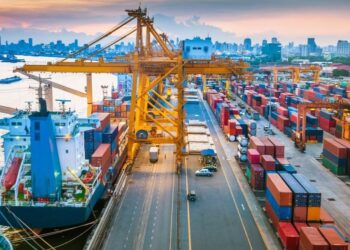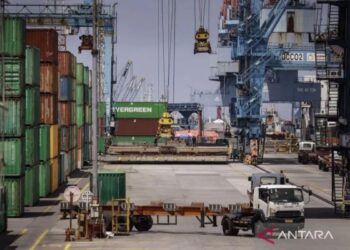
According to en.antaranews.com, Indonesia has initiated its first oil imports from Russia as part of a government-backed plan to procure 150 million barrels of crude oil, fuel, and liquefied petroleum gas (LPG) to bolster national energy security.
Regulatory Framework and Government Oversight
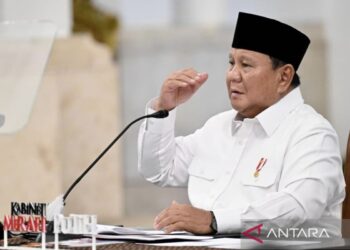
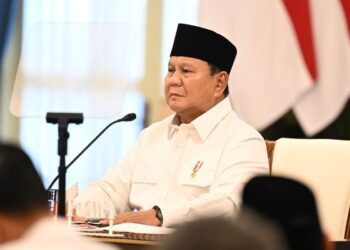
The import initiative is authorized under Presidential Regulation No. 26 of 2026, issued under the direction of President Prabowo Subianto. The regulation explicitly governs the procurement of energy commodities to ensure stable domestic supply. Energy and Mineral Resources Minister Bahlil Lahadalia confirmed the implementation during the opening ceremony of the 2026 Global Hydrogen Ecosystem Summit & Exhibition in Jakarta on July 21, 2026.
The minister stated that the government assigned Lemigas — the Indonesian Agency for Oil and Gas Testing and Standardization — to oversee the imports, aiming to shorten the supply chain and facilitate government-to-government procurement arrangements. Article 4 of the regulation permits public-service agencies in the energy sector to import under formal cooperation agreements between governments or with overseas suppliers. Article 5 further allows such agencies — including state-owned oil company Pertamina — to conduct urgent imports even when pricing varies by volume, product type, origin, or delivery time.
Strategic Rationale and Sovereignty Narrative
Minister Lahadalia emphasized Indonesia’s continued dependence on oil and underscored the necessity of maintaining adequate domestic fuel supplies. He framed the decision as an assertion of national sovereignty amid evolving global trade dynamics.
“National sovereignty cannot be interfered with by other countries. We still need oil.” — Bahlil Lahadalia, Energy and Mineral Resources Minister
The minister reiterated that imports will continue as long as they comply with Indonesian regulations, regardless of country of origin. This stance follows broader policy shifts under the Prabowo administration, including the B50 biodiesel program, which cut Indonesia’s oil imports by 750,000 barrels per day, according to related reporting published on July 21, 2026.
Implementation Mechanics and Supply Chain Implications
The first stage of the Russian oil import program has been executed through Lemigas, as confirmed by Lahadalia on July 21, 2026. The agency’s expanded mandate reflects a deliberate move toward centralized, state-coordinated energy procurement — a structural shift from traditional commercial channels involving private refiners and traders.
This approach aims to reduce reliance on volatile spot markets and mitigate exposure to sanctions-related disruptions affecting third-party intermediaries. It also aligns with parallel initiatives such as the US$21 billion Masela LNG project, announced on July 16, 2026, and the planned US$20 billion Abadi Masela Gas project scheduled for launch in 2027. Notably, the Tuban gas plant — opened on June 25, 2026 — was designed specifically to reduce LPG imports, illustrating a multi-pronged strategy to rebalance Indonesia’s energy import profile.
From a supply chain perspective, the Russian oil procurement signals a recalibration of sourcing geography and contractual architecture. Government-to-government deals bypass conventional trading desks and may entail longer lead times, stricter documentation, and new compliance checkpoints — particularly around payment mechanisms and shipping logistics given international banking constraints.
Broader Energy Policy Context
The Russian oil imports are embedded within a wider suite of energy security measures, including the B50 program (which blends 50% biodiesel into diesel), the push for E10 bioethanol fuel rollout by 2027, and investments in hydrogen infrastructure highlighted at the same summit where the imports were announced.
Lahadalia noted during the summit that geopolitical tensions could accelerate hydrogen cost-competitiveness and predicted hydrogen vehicles would rival electric vehicles within the next 10 years. Meanwhile, Indonesia’s DSI (Directorate of Foreign Exchange Reserves) managed US$10.5 billion in foreign exchange reserves within six weeks — a figure cited by President Prabowo on July 21, 2026 — underscoring fiscal capacity supporting these strategic energy moves.
Source: en.antaranews.com
Compiled from international media by the SCI.AI editorial team.