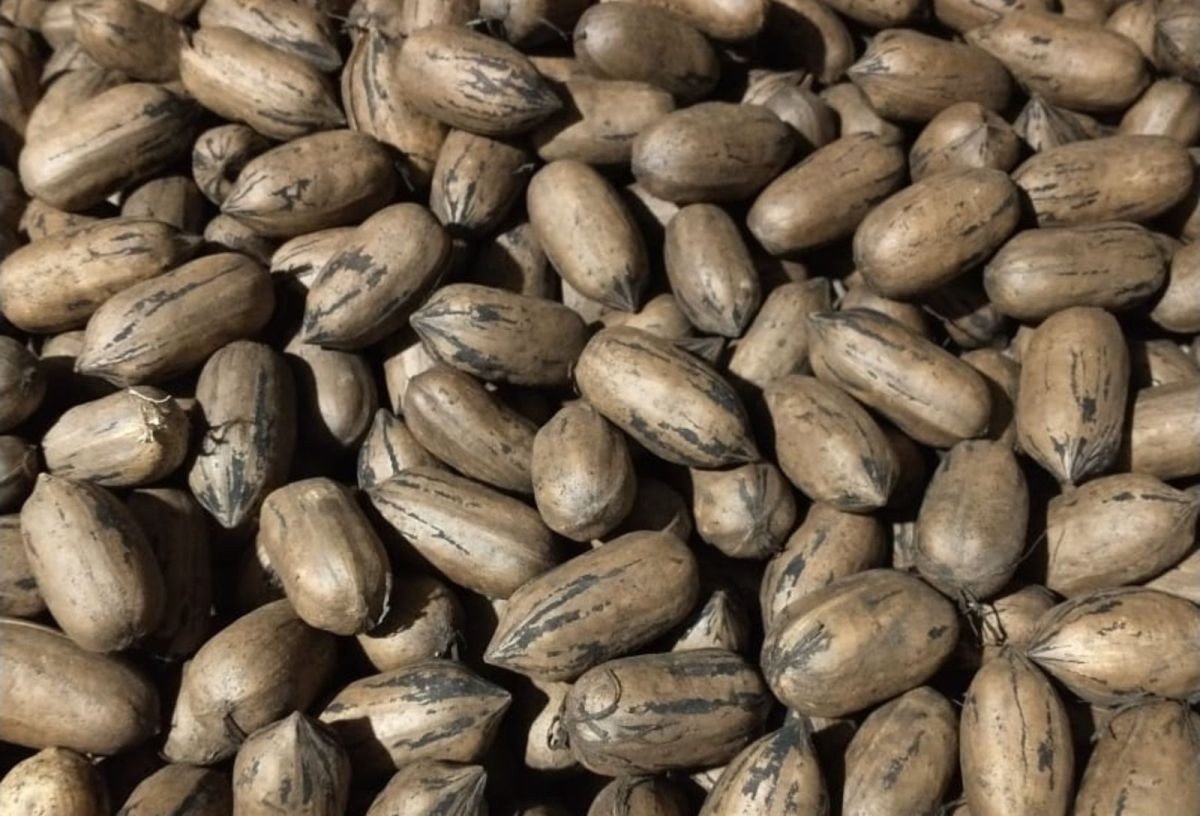
According to cnnbrasil.com.br, Brazilian pecan exports are declining due to rising logistics costs, stricter European sanitary regulations, and uncertainty surrounding U.S. trade policy — though industry leaders anticipate recovery in late 2026 driven by a projected harvest of 6,500–7,000 tons.
Logistics Crisis Driven by Middle East Conflict
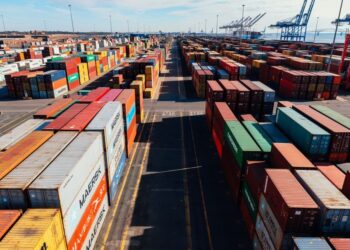
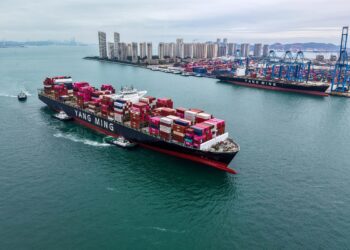
The ongoing conflict in the Middle East has severely disrupted global container availability and inflated maritime freight rates, directly impacting Brazil’s pecan export capacity. Claiton Wallauer, president of the IBPecan (Brazilian Institute of Pecan Cultivation), stated that the crisis has reduced container supply while pushing freight costs significantly higher. According to the report, these logistical bottlenecks have slowed international negotiations with key markets.
“The conflict in the Middle East has strongly impacted international logistics, reducing container availability and substantially increasing maritime freight costs.” — Claiton Wallauer, president of IBPecan
The IBPecan estimates that freight cost increases reached approximately 30% in recent months — a figure corroborated by shipping industry benchmarks tracking Red Sea rerouting and port congestion in the Suez Canal and Strait of Hormuz. These disruptions have extended transit times by up to 14 days for shipments bound for Europe and North America, compounding inventory planning challenges for exporters.
EU Sanitary Rules Impede Market Access
New European Union phytosanitary requirements introduced in early 2026 have created additional compliance hurdles for Brazilian pecan shippers. The updated rules mandate stricter pesticide residue testing, mandatory pre-shipment certification from accredited laboratories, and digital traceability documentation for each consignment. According to Wallauer, these measures are affecting exporters across multiple nut-producing countries — not just Brazil — and have led to shipment rejections and delays at EU ports including Rotterdam and Hamburg.
“This is heavily impacting the entire world when it comes to exporting nuts to Europe.” — Claiton Wallauer, president of IBPecan
The IBPecan is actively engaging with Brazil’s Ministry of Agriculture and the European Commission to seek harmonization of standards and expedited recognition of Brazilian inspection bodies. As of July 2026, no formal revision timeline has been announced, but the institute expects regulatory dialogue to intensify ahead of the next EU Food Safety Authority review scheduled for Q4 2026.
U.S. Tariff Uncertainty Creates Dual Risk and Opportunity
U.S. tariff announcements targeting South American agricultural products — including potential duties of up to 25% — remain unresolved as of July 20, 2026. While the final scope and implementation date for pecans have not been confirmed, Wallauer noted that U.S. and Mexican pecan harvests declined sharply in 2025, tightening global supply. This shortfall may elevate international prices and improve competitiveness for Brazilian exporters — provided tariffs do not offset the margin advantage.
“There’s a possibility this U.S. tariff surge could significantly impact South American and Brazilian products. We still don’t know exactly how much the cost will increase, but it could be advantageous because the U.S. and Mexico had smaller harvests last year, and prices may be slightly higher,” Wallauer explained.
The IBPecan projects that if tariffs are applied without exemptions, Brazilian exporters may face an average landed-cost increase of $1,200 per ton in the U.S. market — a figure derived from current CIF (cost, insurance, freight) benchmarks and proposed duty calculations.
2026 Harvest Expected to Drive Recovery
Despite near-term headwinds, the sector remains optimistic about a rebound in the second half of 2026, anchored by a larger domestic harvest. The IBPecan forecasts total production between 6,500 tons and 7,000 tons — a 12–15% increase over the 2025 output. This growth stems from newly matured orchards in São Paulo and Paraná states, along with improved yield per hectare following drought recovery in the Southeast region of Brazil.
Wallauer emphasized that timing is critical: “We believe the market will stabilize again in July and August, and new doors will open for Brazilian pecans.” Exporters are concurrently expanding outreach to Asian markets — particularly Vietnam and South Korea — where demand grew 8.3% year-on-year in Q1 2026, according to FAO trade data cited by IBPecan.
Source: cnnbrasil.com.br
Compiled from international media by the SCI.AI editorial team.