According to www.supplychainbrain.com, China’s Jingye Group has formally demanded full financial compensation from the U.K. government following its full nationalization of British Steel on July 16, 2026.
Legal Action Triggered by Full Nationalization
Jingye Group announced on July 19, 2026 that it will pursue legal remedies “to the very end” to secure what it describes as full and fair compensation. The company stated it would not accept partial or discretionary settlement mechanisms, underscoring its position in a public statement reported by the BBC.
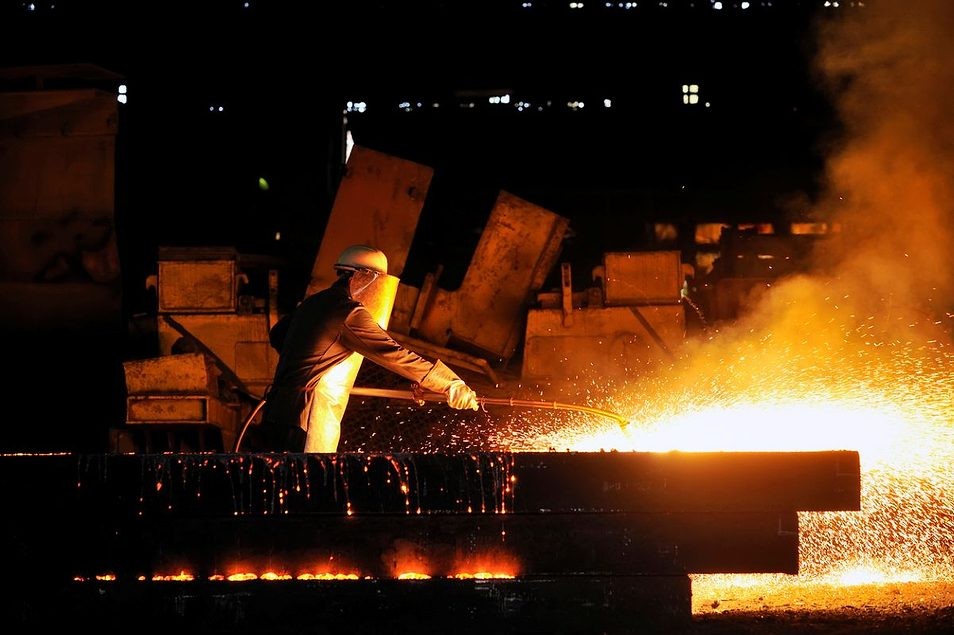
The nationalization covers the Scunthorpe steelworks — the last major integrated steel plant in the U.K. — which Jingye had acquired in 2020. Though the U.K. government assumed operational control in April 2025, formal transfer of full ownership occurred only in mid-July 2026 after months of negotiations collapsed.
Financial Losses and Closure Plans
Jingye cited unsustainable financial losses as the reason for its March 2025 decision to close the facility. According to the source, the company reported daily operating losses of £700,000 ($942,000). These figures were central to Jingye’s argument that continued private operation was economically unviable.
Despite the U.K. government stepping in to manage operations in April 2025, Jingye retained legal title to the asset — a structural limitation that constrained intervention options. The government justified full nationalization as necessary to safeguard “a vital national capability,” citing strategic importance for defense, infrastructure, and energy sectors.
Compensation Framework Still Pending
A U.K. government spokesperson confirmed that draft compensation regulations are scheduled for release in autumn 2026. Under the proposed framework, an independent assessor will determine “what, if any, is payable” — a process Jingye has publicly rejected as insufficiently binding and lacking transparency.
The company emphasized that compensation must reflect not only tangible assets but also contractual commitments, sunk investments, and reputational damage incurred since its 2020 acquisition. Jingye invested over £1.2 billion in modernization and emissions-reduction upgrades at Scunthorpe prior to the closure announcement — funds the company now seeks to recover.
Broader Supply Chain Implications
This dispute marks one of the most significant foreign-investment expropriation cases involving a Chinese industrial firm in Europe in recent years. For supply chain professionals, the case highlights acute risks tied to political intervention in critical-materials infrastructure — particularly where national security narratives override commercial contract terms.
It also underscores growing tensions around cross-border steel sourcing: the U.K. imported 37% of its finished steel products in 2025, with Jingye-linked supply chains feeding automotive and construction sectors across Northern England. Disruptions have already triggered secondary procurement shifts among Tier-1 suppliers in the Midlands and Yorkshire regions.
Industry analysts note parallels with Germany’s 2023 intervention in ThyssenKrupp’s Duisburg operations and France’s 2024 state-backed restructuring of ArcelorMittal’s Dunkirk site — both involving negotiated equity stakes rather than unilateral nationalization. Jingye’s insistence on litigation sets a precedent distinct from those diplomatic compromises.
Source: Supply Chain Brain
Compiled from international media by the SCI.AI editorial team.