Target Posts Strongest Q1 Sales Growth in Over Three Years
According to FreightWaves, Target reported its strongest quarterly sales gain in more than three years during the first quarter of 2026, with net sales reaching $25.4 billion, a 6.7% increase year over year. Comparable store sales rose 5.6% compared to the same period in 2025. Adjusted earnings per share were $1.71, exceeding analyst expectations, though net income declined 25% due to increased spending on merchandise assortment, store modernization, and marketing initiatives.
Supply Chain Improvements Drive Inventory Reliability
Target’s new Chief Operating Officer, Lisa Roath, emphasized inventory reliability as a top strategic priority, noting that out-of-stock products decreased compared to the prior year. She highlighted that inventory turnover improved by more than 10% year-over-year in Q1, contributing to higher inventory productivity. According to Roath, the company maintained consistent top-item availability and enhanced key reliability metrics despite higher-than-expected demand.
“Our go-forward strategy is focused on . . . product availability, ship-to-home speed, and improved leverage on supply chain expenses. In Q1, we saw higher inventory productivity with turns up more than 10% year-over-year. We also maintained consistent top item availability and improved key reliability metrics, even amid higher than expected demand.” — Lisa Roath, Chief Operating Officer, Target
New Facilities and Leadership Enhance Logistics Network
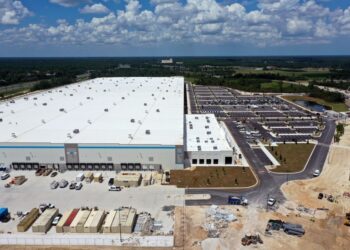
Target has invested in new infrastructure to strengthen its supply chain. The retailer recently opened a food distribution center in Colorado and its first-ever “receive center” in Houston. The Houston facility alone is expected to process about 25 million cartons annually, significantly expanding upstream network capacity. This facility will support six regional distribution centers and one flow center, acting as a buffer between import warehouses and store-level distribution to manage seasonal, bulky, or hard-to-forecast goods more effectively.
Target also announced the hiring of Jeff England as its next Chief Supply Chain Officer. England previously held the same role at three other major retailers, including Walmart, bringing extensive experience in supply chain optimization.
Expansion and E-Commerce Fulfillment Strategy
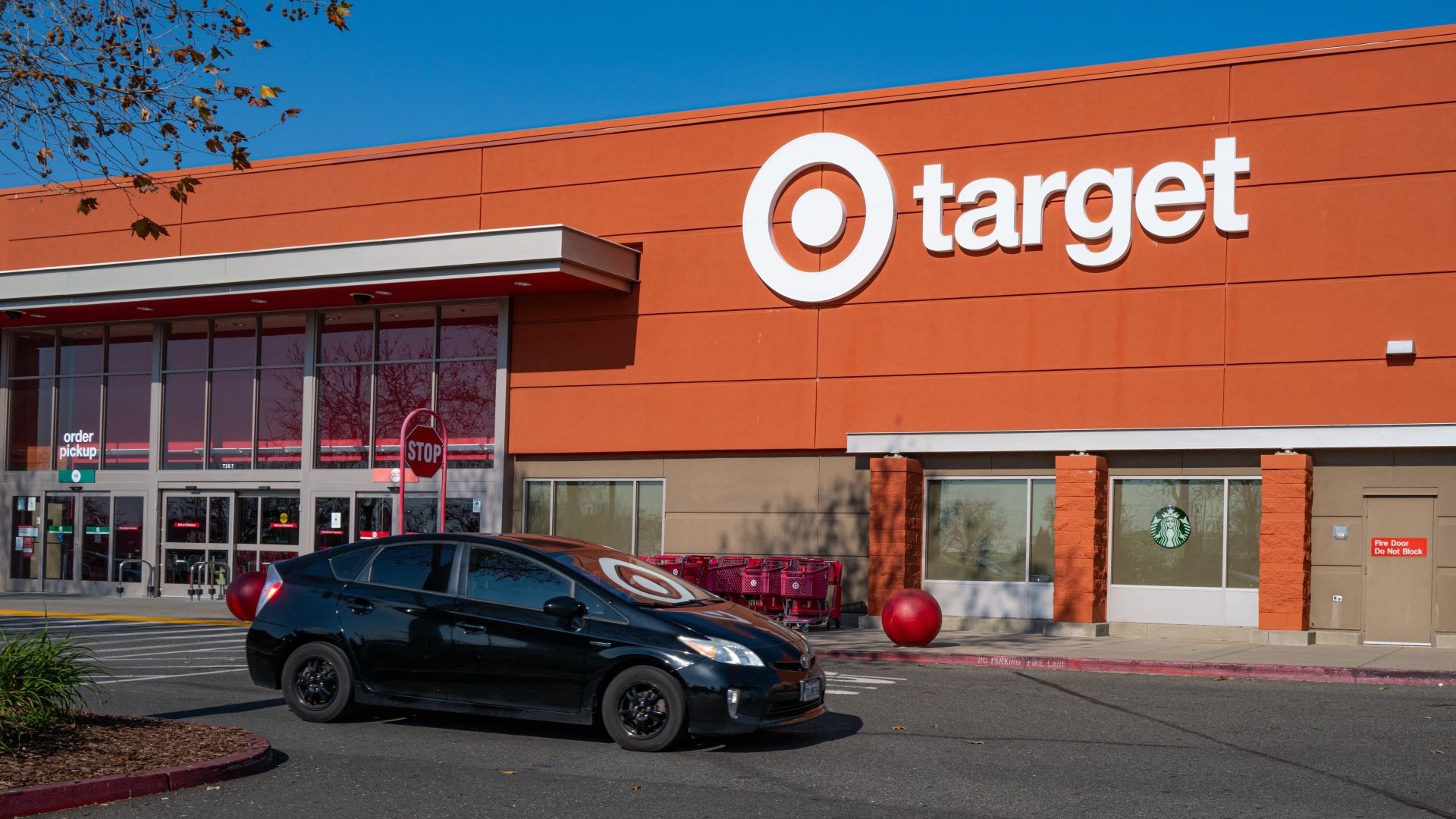
During the first quarter, Target opened seven new stores, including its 2,000th location. The new stores average between 125,000 to 150,000 square feet, offering expanded space for fulfillment services. The retailer reported that two-thirds of digital sales are now fulfilled the same day, using drive-up, in-store pickup, or same-day delivery for Target Circle 360 members. This reflects a strategic integration of physical stores into the digital supply chain, enhancing customer experience and reducing delivery times.
Target is expanding its next-day delivery service to 20 additional cities, further strengthening its e-commerce logistics network. These investments align with broader retail trends where reliable inventory and fast fulfillment are critical to retaining customers and increasing conversion rates.
Source: FreightWaves
Compiled from international media by the SCI.AI editorial team.