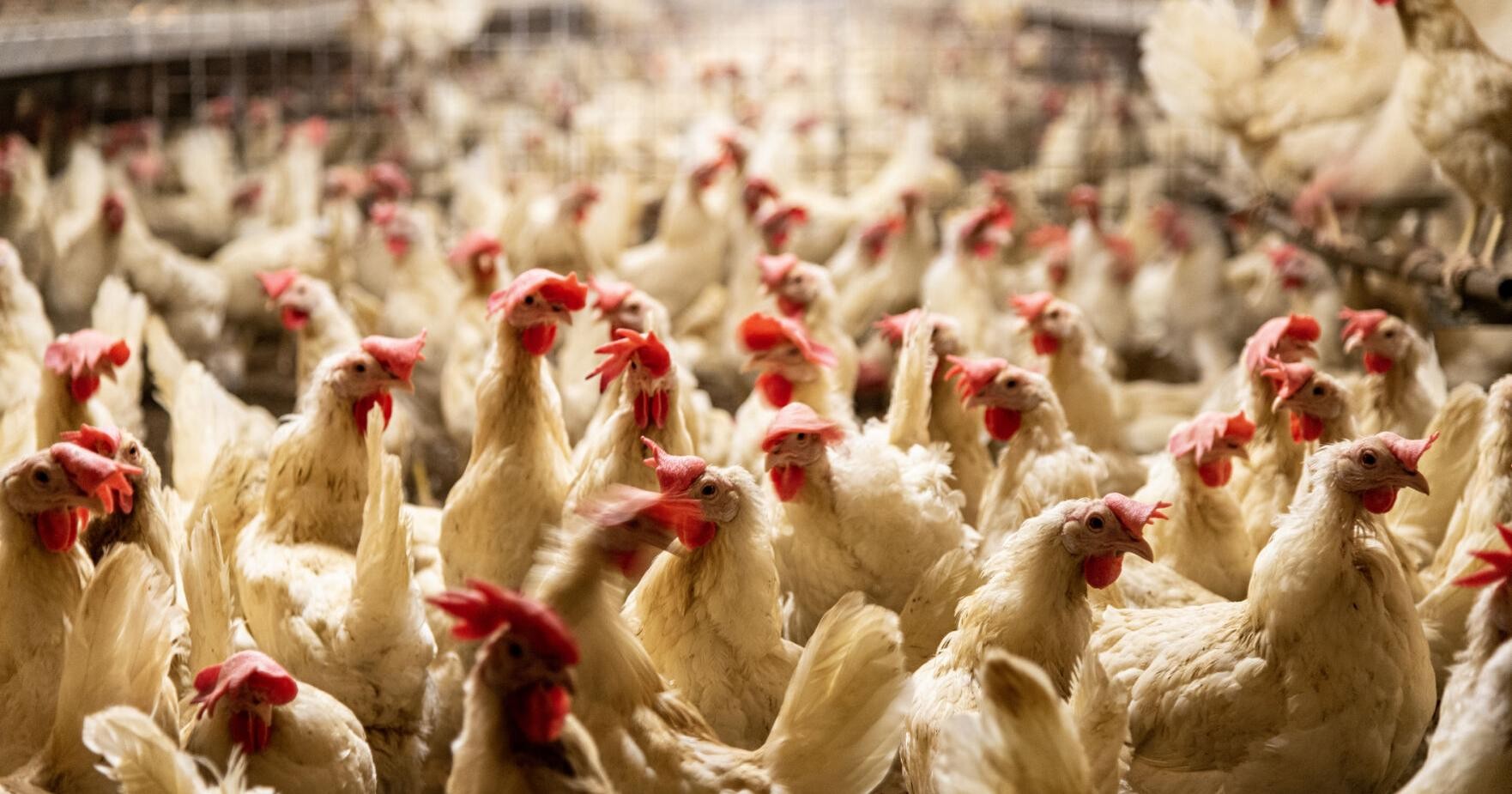
According to www.lancasterfarming.com, the U.S. Roundtable for Sustainable Poultry & Eggs has deployed a voluntary, industry-specific sustainability framework designed to measure and advance progress across the entire poultry and egg supply chain.
Multi-Stakeholder Collaboration Drives Practical Implementation
The roundtable is a pre-competitive, multi-stakeholder organization founded to support continuous improvement in the chicken, turkey, and egg sectors. It brings together growers, integrators, processors, retailers, food service companies, allied suppliers, civil society organizations, and other supply chain partners — all working toward shared sustainability goals without competitive conflict. As Andy Vance, executive director of the U.S. Roundtable for Sustainable Poultry & Eggs, emphasized:
“Sustainability in poultry and eggs is not a simple checklist. It requires balancing animal welfare, environmental outcomes, food affordability, workforce needs, food safety and farm-level practicality.” — Andy Vance, executive director of the U.S. Roundtable for Sustainable Poultry & Eggs
This collaborative structure ensures that tools and standards reflect on-the-ground realities: growers contribute firsthand knowledge of daily production; integrators and processors provide supply chain and operational insight; retail and food service members align efforts with market expectations; and civil society groups uphold transparency and credibility. The roundtable’s work spans 12 priority areas across its three-pillar framework — people, planet, and poultry — including animal health and welfare, food safety, environmental stewardship, worker safety, community engagement, and resource use.
Voluntary Framework Anchors Industry-Wide Measurement
At the core of the initiative is the sustainability framework, a voluntary reporting tool tailored specifically for the U.S. poultry and egg supply chain. Launched to help companies assess and communicate progress, it enables standardized evaluation across measurable dimensions — such as feed efficiency metrics, on-farm water use reduction targets, and worker safety incident rates. The framework does not prescribe one-size-fits-all mandates but instead supports contextual, science-informed benchmarking aligned with real-world production constraints.
The roundtable has released a public sustainability report aggregating anonymized data from participating members — revealing trends in progress and opportunity while preserving company confidentiality. Recent refinements include streamlined data submission tools, expanded guidance for small- and mid-sized producers, and integration of One Health principles linking animal, human, and environmental well-being. These updates were finalized ahead of the 2026 Poultry Sustainability and Welfare Summit, scheduled for September 21–24 in Atlanta, Georgia.
Education, Engagement, and Industry Alignment
Ongoing education forms a critical pillar of the roundtable’s strategy. Members convene regularly through committee work, webinars, annual programming, and industry events focused on topics including continuous improvement, feed sustainability, value chain resilience, and emerging reporting trends. For example, committee discussions in Q2 2026 addressed workforce safety benchmarks across contract grower networks and regional differences in manure nutrient management practices.
These forums enable practitioners — especially Mid-Atlantic poultry producers facing tightening regulatory scrutiny and evolving retailer sustainability requirements — to share verified best practices and co-develop scalable solutions. The roundtable also maintains technical partnerships with land-grant universities and USDA-ARS research units to ground recommendations in field-tested agronomic and veterinary science. Its member-led governance model ensures that priorities like antibiotic use reduction, carbon intensity per dozen eggs, and grower compensation transparency emerge organically from supply chain stakeholders rather than external mandates.
Bridging Market Expectations and On-Farm Realities
As consumer and supply chain partner inquiries intensify — particularly around climate impact, labor conditions, and animal welfare — the roundtable’s approach offers a pragmatic alternative to fragmented or externally imposed standards. Its framework supports both transparency and practicality: it allows companies to demonstrate progress without overburdening operations, and helps retailers and foodservice buyers evaluate performance using consistent, comparable data.
For instance, participating integrators have reported average improvements of 8.3% in energy efficiency per pound of live weight produced between 2022 and 2025, while maintaining feed conversion ratios within industry-standard tolerances. Similarly, pilot programs with 17 Mid-Atlantic contract growers showed a 12% reduction in ammonia emissions after adopting recommended litter management protocols — results now being incorporated into updated framework guidance. The roundtable’s next phase includes expanding access to its digital reporting platform to independent producers by Q4 2026.
Source: lancasterfarming.com
Compiled from international media by the SCI.AI editorial team.