According to theloadstar.com, Eyal Goldberg, co-founder and CEO of Breeze — an insurtech firm specializing in digital and embedded cargo insurance — urged freight forwarders to adopt artificial intelligence deliberately, not rapidly, citing operational risks tied to cargo loss, delay, misdeclaration, customs noncompliance, and insurance gaps.
Back-Office Automation Leads Adoption
Goldberg identified back-office functions as the most immediate and high-impact domain for AI deployment in freight forwarding. He noted that shipping quote automation has seen strong industry uptake, with additional applications emerging in cargo insurance processing, data entry, and monitoring and reporting systems. These tools enable staff to redirect time toward customer communication rather than manual documentation.
“The freight forwarders’ back office is very ripe for change and disruption, and it is happening all around,” he told The Loadstar. According to the report, more traditional forwarders, large enterprises, and startups alike are concentrating efforts on this segment — a trend that has already made the space “crowded and mature.” As a result, new entrants are beginning to move “up a layer” into higher-risk domains such as customs compliance and route optimization.
Risk Mitigation Demands Deliberate Pacing
Goldberg emphasized that the freight forwarding industry’s unique risk profile necessitates caution: every decision carries legal, financial, and logistical consequences. Unlike many other sectors, errors stemming from improper AI use — such as delayed or lost cargo — can trigger cascading liabilities across the supply chain.
“Unlike other industries, everything we do involves a lot of risk and if you are abusing AI or not using it properly, it can cause damage like lost or delayed cargo.” — Eyal Goldberg, co-founder and CEO of Breeze
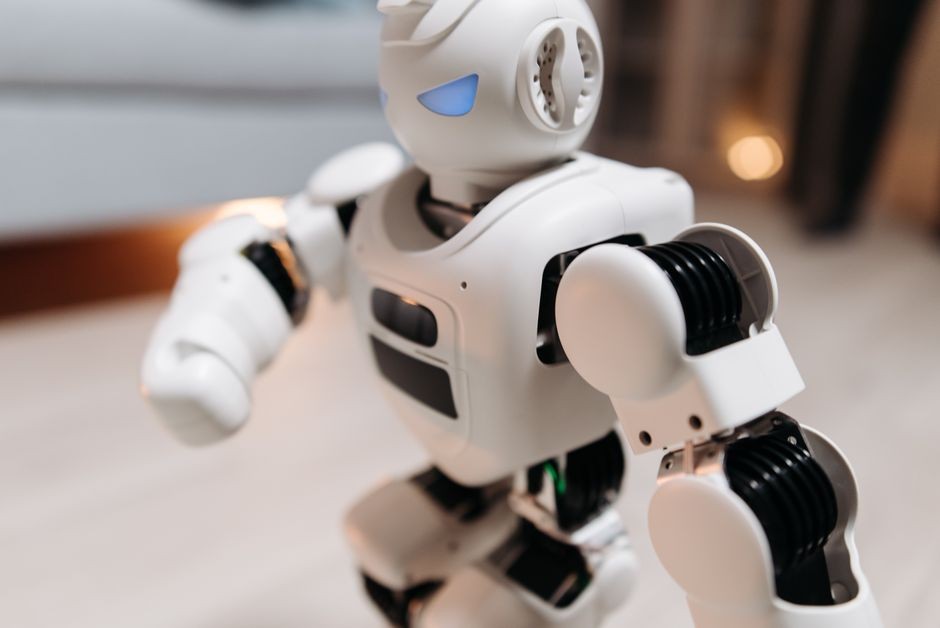
He stressed that AI is the “right evolution” but must be implemented with intentionality. The source states that forwarders who proceed at the right pace will eventually achieve operations that are much less costly, more accurate, and more efficient in human resource utilization — allowing employees to focus on higher-value, relationship-driven tasks.
Physical Movement Remains Next Frontier — and Greater Challenge
While AI integration in physical logistics — including container movement, warehousing, and storage — has begun, Goldberg described it as significantly more complex than back-office automation. This complexity arises from the need to consolidate, align, and synchronize vast volumes of heterogeneous data and dynamic real-world variables.
“AI efforts involving real world movements, warehousing and storage have started to happen, but it’s a harder and a more complicated area than the back office,” he explained. According to the report, this next evolution hinges on foundational data infrastructure maturity — a prerequisite before AI can reliably govern physical asset coordination across multimodal networks.
Industry Awareness Accelerates Value Chain Integration
Goldberg observed growing AI literacy among forwarders at the Multimodal trade exhibition held at the Birmingham NEC in June 2026. His assessment was that awareness is now “more visible and scalable,” signaling broader adoption beyond tech-centric hubs. The source notes that this heightened engagement is expected to drive AI integration across the entire value chain — from quotation and documentation through to cross-border movement and last-mile delivery.
This shift is unfolding amid concurrent developments in adjacent sectors: July 2026 saw renewed scrutiny of cargo insurance models following IATA’s Direct Air Waybill (DAWB) liability changes; June 2026 brought reports of surging data centre demand across Europe and the Middle East — intensifying pressure on power infrastructure supporting AI deployments; and a June 2026 analysis highlighted regional trade growth as a structural driver reshaping container shipping for what analysts call a “golden decade.”
Source: The Loadstar
Compiled from international media by the SCI.AI editorial team.