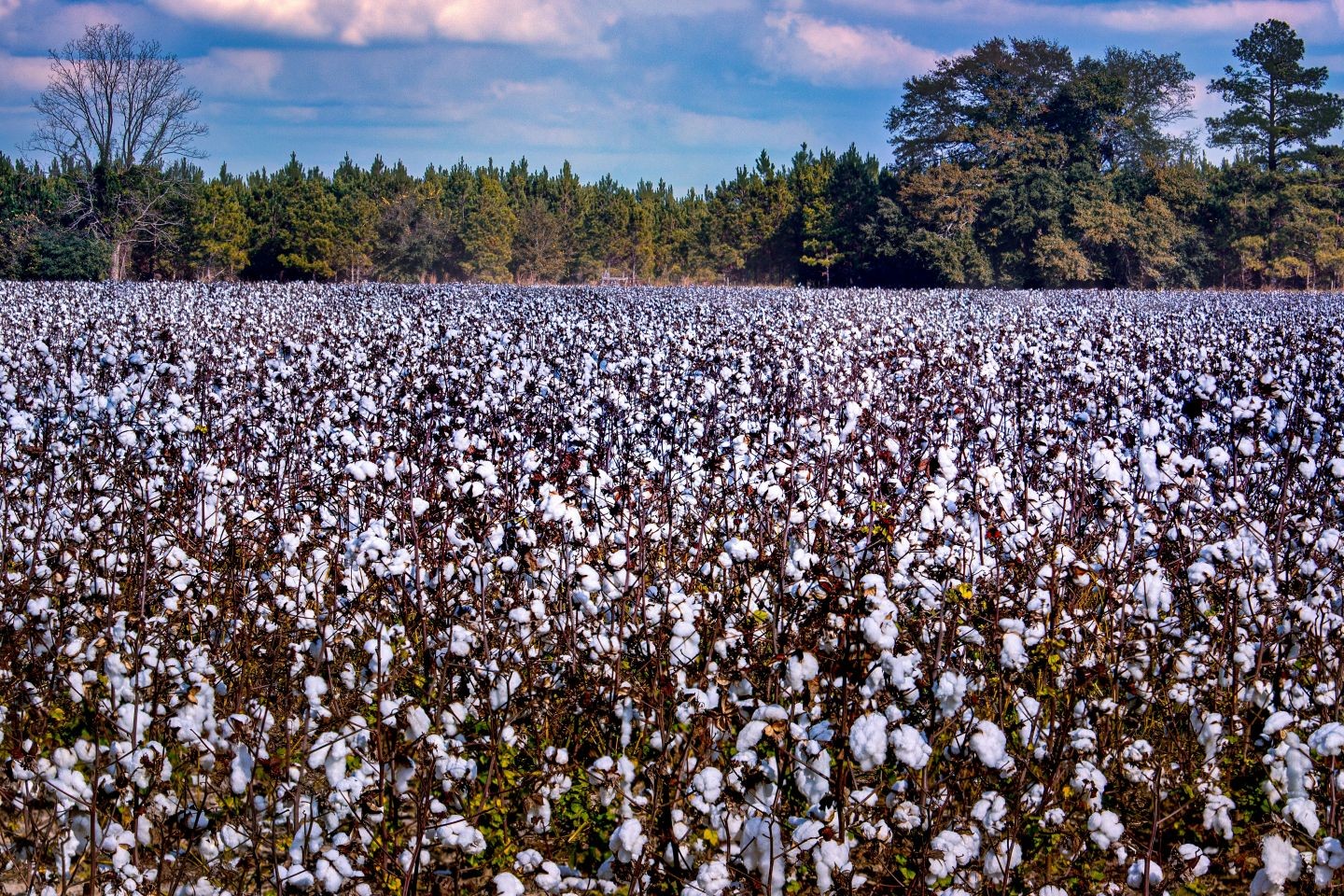
According to www.just-style.com, climate change is reducing global cotton yields by 12%, prompting urgent recalibration across fashion supply chains — with industry leaders accelerating adoption of regenerative agriculture and recycled fibres.
Climate Stress on Core Fibre Supply
Alison Ward, CEO of Cotton Connect, warns that cotton production faces mounting disruption from intensifying droughts, erratic monsoons, and soil degradation. In her July 2026 commentary, she states:
“The reliability of cotton fibre starts much earlier, in the condition of the soil and the way water moves through it.” — Alison Ward, CEO of Cotton Connect
This foundational vulnerability translates directly into yield volatility: recent field assessments cited by Cotton Connect show average cotton yields have fallen 12% across key growing regions — including parts of India, Pakistan, and the U.S. Cotton Belt — over the past five years due to climate-related stressors.
Industry Response: From Mitigation to Material Substitution
In response, major apparel brands are scaling investments in alternative feedstocks. According to the report, over 78% of Tier-1 fashion suppliers surveyed in Q2 2026 reported active pilots or commercial deployments of mechanically or chemically recycled cotton, polyester, and nylon. Notably, Uniqlo’s parent company Fast Retailing raised its FY2026 sustainability target to source 50% of all cotton from certified sustainable or recycled origins — up from 32% in FY2024. Concurrently, a new partnership between Kraig Labs and three European textile mills — announced in May 2026 — aims to pilot biology-enabled farming techniques across 12,000 hectares of cotton land in Uzbekistan and Greece by late 2027.
Supply Chain Resilience Beyond Fibre Sourcing
The shift extends beyond raw materials. The report notes that sourcing teams are now embedding climate risk scoring into supplier onboarding — with 63% of global fashion procurement departments adopting third-party tools like CDP Supply Chain and Textile Exchange’s Preferred Fiber & Materials Market Report by mid-2026. Additionally, UK regulators are advancing legislation that would enforce forced labour due diligence across apparel supply chains within three years, further pressuring brands to map tier-2 and tier-3 cotton ginning and spinning facilities in countries including China, India, and Bangladesh. A fire at a shoe factory in China that killed 28 workers in early 2026 has intensified scrutiny on occupational safety compliance in fibre-intensive manufacturing hubs.
Source: Just Style
Compiled from international media by the SCI.AI editorial team.