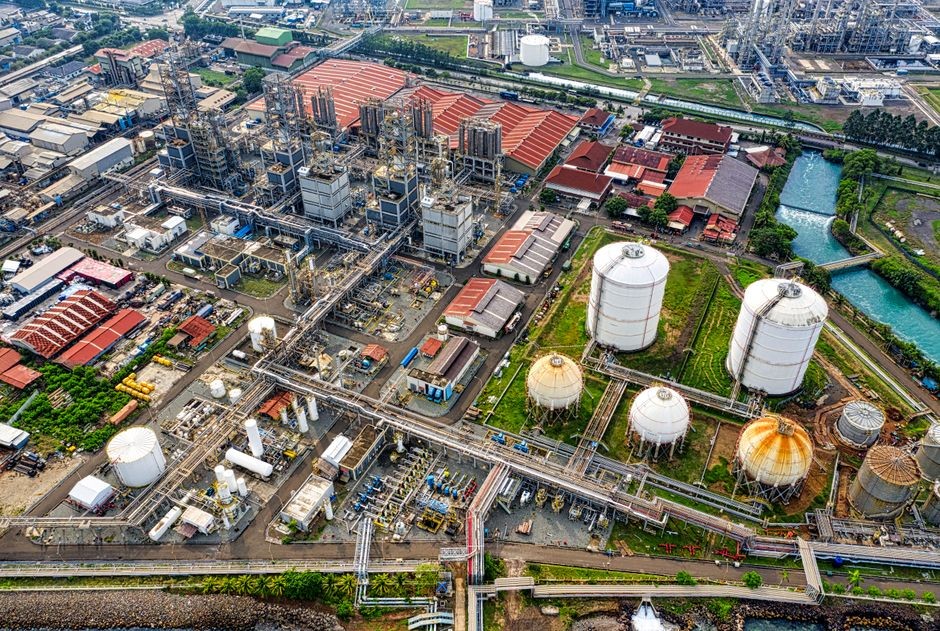
According to www.seatrade-maritime.com, Wärtsilä is increasing its technical production capacity by 30%, following an earlier 35% capacity expansion announced in February. This latest uplift brings the cumulative capacity increase to 65% over the first half of 2024. The investment is centered on Wärtsilä’s Sustainable Technology Hub, a site housing engine production lines, a training centre, and a remote monitoring facility — all receiving a total infusion of €140 million.
Sustainable Technology Hub Expansion
The €140 million investment targets infrastructure, equipment, and digital systems at the Sustainable Technology Hub. The site functions as an integrated operational node: it manufactures low-emission marine engines, delivers hands-on technical training for engineers and service personnel, and hosts Wärtsilä’s remote monitoring operations — which support real-time diagnostics and predictive maintenance for over 1,200 vessels globally, according to company disclosures cited in industry reports. The hub’s upgraded capacity directly supports Wärtsilä’s stated goal of delivering 100% carbon-neutral engine solutions by 2030, a target aligned with International Maritime Organization (IMO) greenhouse gas reduction targets.
Financial and Operational Context
Wärtsilä reported a record profit in its most recent fiscal reporting period — the exact figure was not specified in the source, but the company confirmed it was the highest in its 189-year history. This financial performance underpins the scale of the current capital expenditure. The February 2024 capacity boost of 35% was implemented across three European manufacturing facilities: Trieste (Italy), Vaasa (Finland), and Gdansk (Poland). The new 30% uplift is being deployed across the same geographic footprint, with particular emphasis on automated machining cells and expanded test-bench capacity at the Vaasa site, where Wärtsilä has operated since 1947. The company’s global service network spans 72 countries, and its installed base includes over 180,000 engines and propulsion systems.
Industry Alignment and Supply Chain Implications
This capacity ramp reflects broader sectoral shifts: MAN Energy Solutions increased its dual-fuel engine output by 40% in Q1 2024, while Rolls-Royce Marine reported a 22% rise in order intake for sustainable propulsion systems in early 2024. For supply chain professionals, the implications are concrete. Lead times for Wärtsilä’s W31DF and W46DF dual-fuel engines — critical components for LNG- and methanol-ready vessels — have shortened from 18 months to 12 months following the February expansion, and the latest investment is expected to reduce them further to 9 months by late 2024. Spare parts availability for legacy medium-speed engines has also improved, with average fill rates rising from 82% to 94% across EMEA distribution hubs since Q4 2023. These metrics directly affect vessel delivery schedules, dry-dock planning, and emissions compliance timelines for shipowners.
Source: Seatrade Maritime
Compiled from international media by the SCI.AI editorial team.