According to supplychaindigital.com, a new report by Critical Supply Group (CSG) reveals that 74% of UK critical suppliers possess the capacity to expand—but are stalled by procurement complexity and low opportunity visibility.
Systemic Barriers Undermine Sovereign Capability
The UK Supply Survey & Report 2026, managed by MAP UK & International, finds that while the UK holds underutilised sovereign industrial capability, systemic market access barriers prevent its deployment. 91% of surveyed companies report facing such barriers—most frequently citing procurement and tendering complexity (67%) and limited visibility of commercial opportunities (64%). Nearly two-fifths (39%) also identified limited buyer engagement as a constraint.
The report underscores that resilience in Critical National Infrastructure (CNI) depends directly on the health and agility of underlying supply chains. As Ben Farrell MBE, Global CEO of the Chartered Institute of Procurement & Supply (CIPS), states:
“This report sends a clear message: the UK already has much of the capability it needs to build more resilient supply chains, but we are not yet making full use of it.” — Ben Farrell MBE, Global CEO of the Chartered Institute of Procurement and Supply
Diversification Potential Remains Untapped
Despite constraints, 74% of existing critical suppliers say they could expand into at least one additional sector. The sectors with the highest perceived untapped potential are defence (33%), civil nuclear (33%), and space (31%). Half (50%) of suppliers are actively pursuing diversification strategies, while 49% are forming strategic partnerships. Only 15% are onshoring or near-shoring production, services, or hosting.
John Foster, Chief Policy and Campaigns Officer at the Confederation of British Industry (CBI), emphasized urgency:
“Businesses are ready to play a bigger role in supporting the UK’s critical sectors, but they need procurement processes that give capable suppliers greater visibility of opportunities.” — John Foster, Chief Policy and Campaigns Officer at the CBI
SME Resilience Gaps Exposed
A stark disparity emerges between enterprise and SME preparedness: 79% of respondents are micro or small businesses. While 80% of large firms maintain formal documentation of their critical inputs, only 29% of SMEs do so. Further, 34% of SMEs reported being unaware of—or not using—GOV.UK resources to inform resilience decisions, lacking a trusted reference point.
This gap carries material risk, especially ahead of the UK Carbon Border Adjustment Mechanism (CBAM), scheduled to take effect in January 2027. The CBAM will levy carbon pricing on imported aluminium, steel, and cement—key materials heavily relied upon by UK manufacturers.
Energy Emerges as Top Operational Dependency
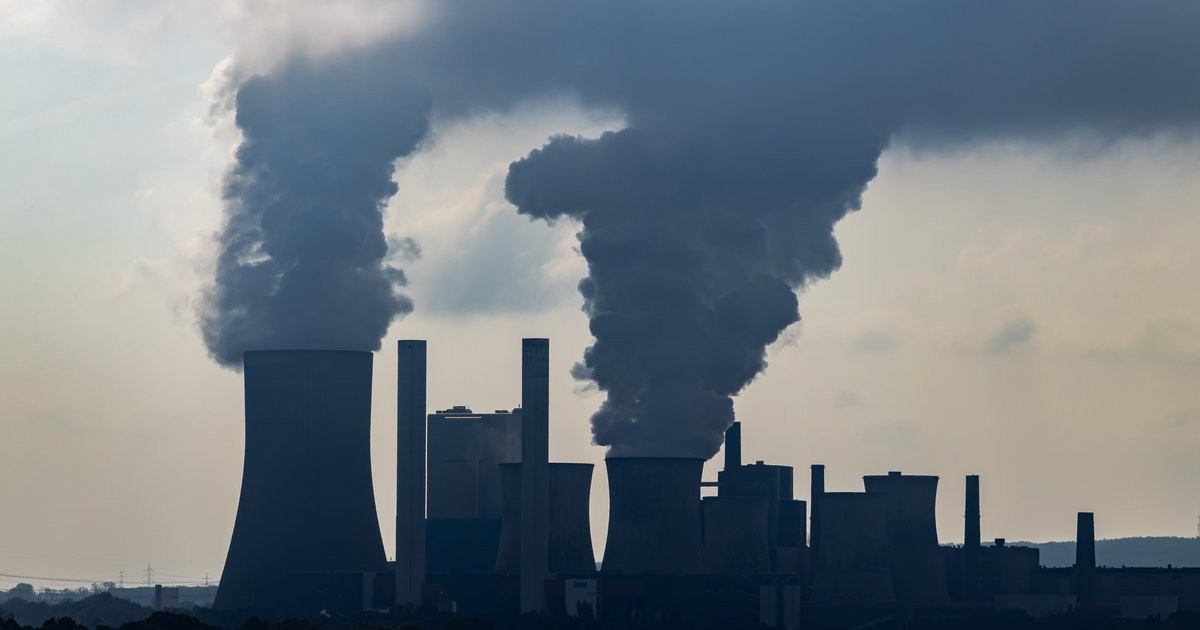
Energy dependence dominates supply chain vulnerability assessments: 40% of firms named energy as their single most critical dependency to remain operational—significantly higher than transport (29%) and communications (19%). The report explicitly links this finding to national security, long-term investment, competitiveness, and resilience planning.
John Pearce, CEO of Made in Britain, reframed the challenge:
“The question isn’t whether we can make it here, but whether we’re making the most of what British industry can offer. Global trade will always be essential, but recent events have reminded us that resilience matters.” — John Pearce, CEO, Made in Britain
Policy Recommendations for Immediate Action
The report urges government and Tier 1 contractors to fully leverage the Procurement Act 2023 to standardise forward procurement pipelines and simplify supplier onboarding—recommending action “do not wait for a crisis.” It further advises treating CBAM readiness as an integral component of supply chain resilience—not a standalone environmental compliance task—and calls for targeted support to help SMEs meet reporting and cost requirements.
Implementation priorities include enhancing transparency through centralised company portals, aligning procurement practices across public-sector buyers, and embedding resilience criteria—including energy security and SME inclusion—into tender evaluation frameworks.
Source: supplychaindigital.com
Compiled from international media by the SCI.AI editorial team.