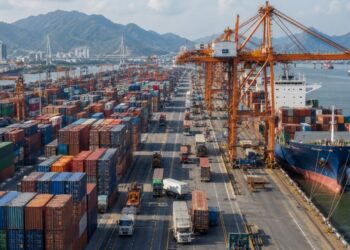
According to m.ajupress.com, Indonesia has intensified export controls on coal, palm oil, and ferro-nickel—three commodities critical to South Korea’s energy and battery materials sectors—triggering urgent assessments of domestic supply chain exposure.
State-led export model launching in January 2027
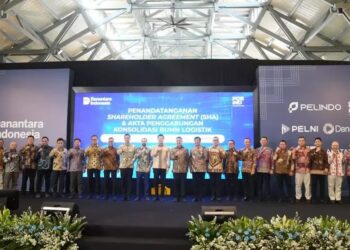
Indonesia began implementing the first phase of its new export oversight regime last month, introducing mandatory supervision and monitoring for coal, palm oil, and ferro-nickel shipments. Under the plan, a newly created state-run entity—the Directorate of Strategic Imports (DSI)—will be established under the state-owned holding company Danareksa. Starting in January 2027, DSI will purchase all designated export products directly from producers before re-exporting them—a structural shift from private-sector-led exports to a centralized, government-intermediated model.
Market dominance magnifies global impact
Indonesia holds commanding positions in global raw material markets: it supplies 50% of global thermal coal trade, accounts for 96% of worldwide ferro-nickel output, and produces 48% of global palm oil. These figures underscore the systemic weight of its policy shift. With 95% of its ferro-nickel exports and 43% of its coal exports destined for China, the move also carries clear geopolitical signaling—particularly amid ongoing negotiations with Beijing over high-speed rail debt, nickel pricing, and mining quotas.
South Korea faces direct exposure
South Korea imports 27 million tons of Indonesian coal annually—representing 25% of its total coal imports, according to the POSCO Research Institute. This dependency exposes Korean power generators to potential price volatility if Indonesia expands its control over export pricing. Similarly, the country’s battery materials industry relies heavily on Indonesian ferro-nickel; rising input costs could elevate production expenses across electric vehicle and energy storage supply chains.
Drivers: fiscal stress and resource nationalism
The policy stems from mounting economic pressures—including fiscal deterioration and rupiah depreciation—as well as longstanding resource-nationalist objectives. President Prabowo Subianto cited losses from price manipulation and underreporting in raw material exports, declaring that “Indonesia must secure pricing power” as prices for key commodities are currently determined abroad. The 2014 ban on raw ore exports marked the start of this trajectory; the current measures extend it into refined and semi-processed commodities, reinforcing sovereign control over value capture.
Expert call for proactive monitoring
Choi Boo-sik, a researcher at the POSCO Research Institute’s Steel Research Center, warned that further regulatory expansions are likely:
“There is a high likelihood of additional regulations on raw materials and products, and it is necessary to establish a monitoring system for this.” — Choi Boo-sik, researcher, POSCO Research Institute’s Steel Research Center
His assessment reflects growing consensus among supply chain practitioners that reactive mitigation is no longer sufficient—especially given Indonesia’s dual role as both top supplier and strategic negotiator in critical mineral diplomacy.
Source: m.ajupress.com
Compiled from international media by the SCI.AI editorial team.