According to vietnam.vn, Phúc Sinh Joint Stock Company reported gross profit of 41 billion VND ($1.4 million) in the first half of 2026 — yet incurred 22 billion VND ($710,000) in logistics expenses, consuming over half its gross margin.
Logistics costs outpace profitability
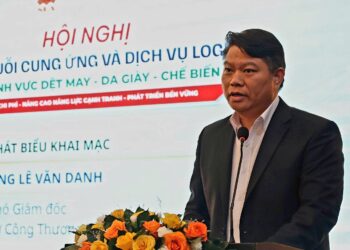
Phan Minh Thông, Chairman of the Board of Directors at Phúc Sinh, emphasized how domestic infrastructure gaps are undermining export competitiveness. In the first six months of 2026, the company’s gross profit before financial costs stood at 41 billion VND, while logistics alone consumed 22 billion VND. “That is an unimaginable figure for an exporting enterprise,” he stated.
The disparity reflects systemic inefficiencies: Vietnam lacks both a national container shipping line and dedicated freight rail links between industrial zones and seaports. As a result, exporters rely almost entirely on foreign carriers — exposing them to volatile international freight rates and limited negotiation power. According to Mr. Thông, this dependency makes logistics “an uncontrollable cost” for many Vietnamese exporters.
Rail connectivity and domestic fleet as strategic priorities
Mr. Thông pointed to global benchmarks: in countries with mature agricultural export sectors, dedicated freight rail lines connect production hubs directly to ports — cutting transport costs and improving delivery reliability. “How do we efficiently link industrial parks to seaports via inland transport — and build a Vietnamese-owned container shipping line? That problem must be solved urgently,” he urged.
Vietnam’s port infrastructure is comparatively advanced, but its inland logistics network lags. No Vietnamese firm currently operates international container shipping services at scale. Meanwhile, rail freight accounts for less than 0.5% of total cargo movement — far below the 20–30% typical in peer export economies like Thailand or Malaysia. Mr. Thông confirmed that Phúc Sinh plans to open a new factory in Đắk Nông — aiming to become the province’s first trillion-VND revenue enterprise — and recently completed acquisition of a manufacturing facility in Taiwan (China).
Wage inflation and underutilized assets compound pressure
Dang Thi Minh Phuong, Chairwoman of the Ho Chi Minh City Logistics and Port Association, noted that logistics now represents over 20% of operating costs for many exporters — higher than during the pandemic. She cited multiple drivers: geopolitical instability, outdated infrastructure, rising labor costs, and technology investments.
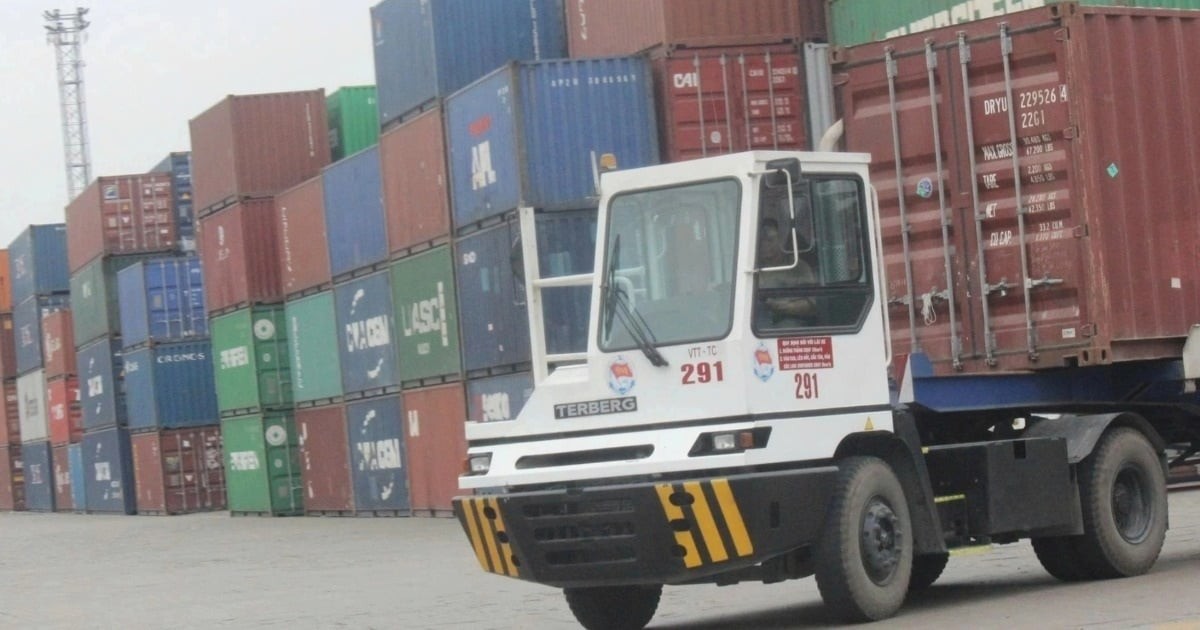
For example, container truck driver salaries rose from 25 million VND per month ($850) in 2025 to 45–50 million VND per month ($1,530–$1,700) in mid-2026 — yet recruitment remains difficult. Many firms maintain private fleets but operate them below 60% capacity, resulting in capital inefficiency. Ms. Phuong advocated for shared logistics models — pooling warehouses, vehicles, and routes — already proven in Singapore and South Korea.
Specialized logistics hubs proposed by industry
To address sector-specific bottlenecks, Ms. Phuong recommended establishing dedicated logistics centers for high-volume commodity groups — including agriculture, seafood, textiles, and wood products. Such hubs would standardize handling protocols, reduce cross-docking delays, and enable volume-based rate negotiations with carriers.
She stressed that targeted infrastructure must accompany policy reform: streamlined customs procedures, unified digital documentation platforms, and expedited administrative approvals. “Localities with favorable logistics conditions and fast, transparent administrative processes remain top destinations for manufacturing investment,” she observed — echoing Mr. Thông’s assessment of Đắk Nông and Taiwan (China) as priority expansion sites.
“That is an unimaginable figure for an exporting enterprise.” — Phan Minh Thông, Chairman of the Board of Directors, Phúc Sinh
Source: vietnam.vn
Compiled from international media by the SCI.AI editorial team.