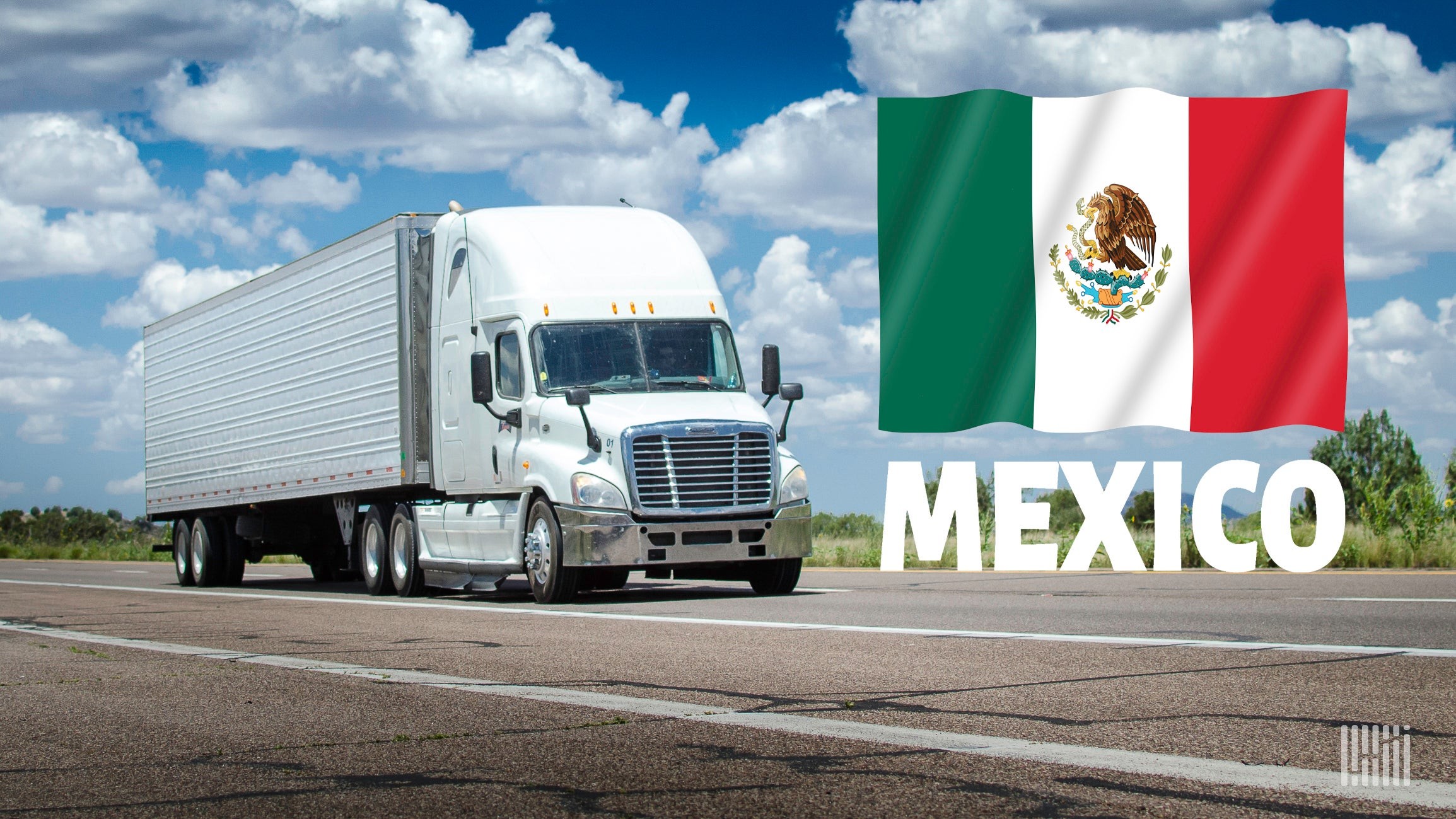
According to www.freightwaves.com, cargo theft investigations in Mexico declined 21% between January and May 2026 — down from 2,653 cases in the same period in 2025 to 2,099 — yet at least 14 commercial truck drivers were killed in highway attacks during the first half of 2026.
Criminal tactics shift toward lethal violence
While overall cargo theft has trended downward since 2019 — reaching one of the country’s lowest levels in recent years — organized criminal groups are escalating the lethality of their operations. According to Mexico’s Executive Secretariat of the National Public Security System (SESNSP), the 21% drop in investigations reflects a national decline, but industry leaders stress that nonviolent incidents now account for fewer than 1,000 of the nearly 13,000 total violent cargo robberies recorded from January through May 2026.
“Robberies have decreased by 17%, but violence has increased, and that’s what we cannot allow,” said Norberto Limón, delegate of Mexico’s National Freight Chamber of Commerce (Canacar) in Veracruz, in an interview with news outlet XEU.
Trucking experts report that assailants increasingly open fire on moving trucks rather than waiting for voluntary stops — a tactic that has contributed to rising fatalities. Canacar President Augusto Ramos Melo emphasized during a recent industry report marking the organization’s first 100 days under new leadership that “the violence in robberies has been a trigger that, as a sector, we cannot allow to continue,” per WRadio.
High-risk corridors persist despite national decline
The State of Mexico remained the nation’s top cargo theft hotspot, accounting for 1,074 investigations in the first five months of 2026. Other high-risk freight corridors identified by authorities and Canacar include the Mexico-Pachuca Highway, the Circuito Exterior Mexiquense, and connecting roadways around Tecámac, Ecatepec, and Tizayuca.
Norberto Limón singled out the stretch between Cumbres de Maltrata and Esperanza along the Veracruz-Puebla corridor as the country’s most dangerous highway segment. Approximately 70% of freight arriving at the Port of Veracruz moves toward central Mexico, forcing thousands of trucks through this corridor — where Canacar estimates more than half of all cargo robberies occur. Drivers are especially vulnerable when stopping for fuel, meals, or rest breaks.
In Guanajuato — a major manufacturing and logistics hub — cargo theft declined about 7% year-over-year, yet violence intensified sharply. Jaime García Almanza, regional Vice President of Canacar, reported that more than 15 truck drivers were killed in highway robberies in the state during the first half of 2026, with criminals increasingly deploying assault rifles and firing immediately to force vehicles to stop, according to El Sol de León.
Government expands security measures amid industry concerns
In response, Mexico’s federal government — under President Claudia Sheinbaum — has announced expanded highway security initiatives, including extending the National Guard’s authority over highway enforcement. Canacar officials confirmed they are collaborating with the National Guard to scale up security convoys, improve coordination among state commands, and increase the number of secure truck parking areas along key freight routes.
Still, industry leaders caution that sustained enforcement and intelligence-led operations targeting organized criminal networks are essential before safety improves meaningfully. “An operator cannot be a statistic,” said Norberto Limón. “He is a father, a son, a husband—someone who has to return home. Until that happens, we still have a debt as a country.”
Clarios invests $147M in Torreón battery hub
Clarios, a global automotive battery manufacturer, has opened a $147 million automated distribution center in Torreón, Mexico. The 279,969-square-foot facility can store up to 300,000 batteries and process as many as 11 million units annually. It serves customers including LTH, AutoZone, EverStart, and Interstate Batteries, shipping across much of Mexico and to the U.S. West Coast.
This investment expands Clarios’ Mexico network to five manufacturing plants, two distribution centers, and two recycling facilities. Headquartered in Wisconsin, Clarios employs 18,000 people across more than 140 countries.
Craters & Freighters expands Texas logistics footprint
Craters & Freighters Austin has opened a new warehouse and production facility in Buda, Texas — located 20 miles south of Austin on a 4-acre site. The 15,000-square-foot facility enhances capacity for custom crating, industrial packaging, and specialty shipping services targeting manufacturers and technology companies across Central Texas.
Source: FreightWaves
Compiled from international media by the SCI.AI editorial team.