Explore

  • Trending
  • Latest
  • Tools
  • Browse
  • AI Assistant
  • Subscription Feed

Logistics

  • Ocean
  • Air Cargo
  • Road & Rail
  • Warehousing
  • Last Mile

Regions

  • Southeast Asia
  • South Asia
  • Central Asia
  • Japan & Korea
  • Middle East
  • Europe
  • Russia
  • Africa
  • North America
  • Latin America
  • Australia
SCI.AI
  • Supply Chain
    • Strategy & Planning
    • Logistics & Transport
    • Manufacturing
    • Inventory & Fulfillment
  • Procurement
    • Strategic Sourcing
    • Supplier Management
    • Supply Chain Finance
  • Technology
    • AI & Automation
    • Robotics
    • Digital Platforms
  • Risk & Resilience
  • Sustainability
  • Research
  • Expert Columns
  • English
    • Chinese
    • English
No Result
View All Result
  • Login
  • Register
SCI.AI
No Result
View All Result
Home Risk & Resilience Geopolitics

China’s New Rules Raise Supply Chain Risk for US Pharma

2026/06/27
in Geopolitics, Risk & Resilience, Trade & Tariffs
0 0
China’s New Rules Raise Supply Chain Risk for US Pharma

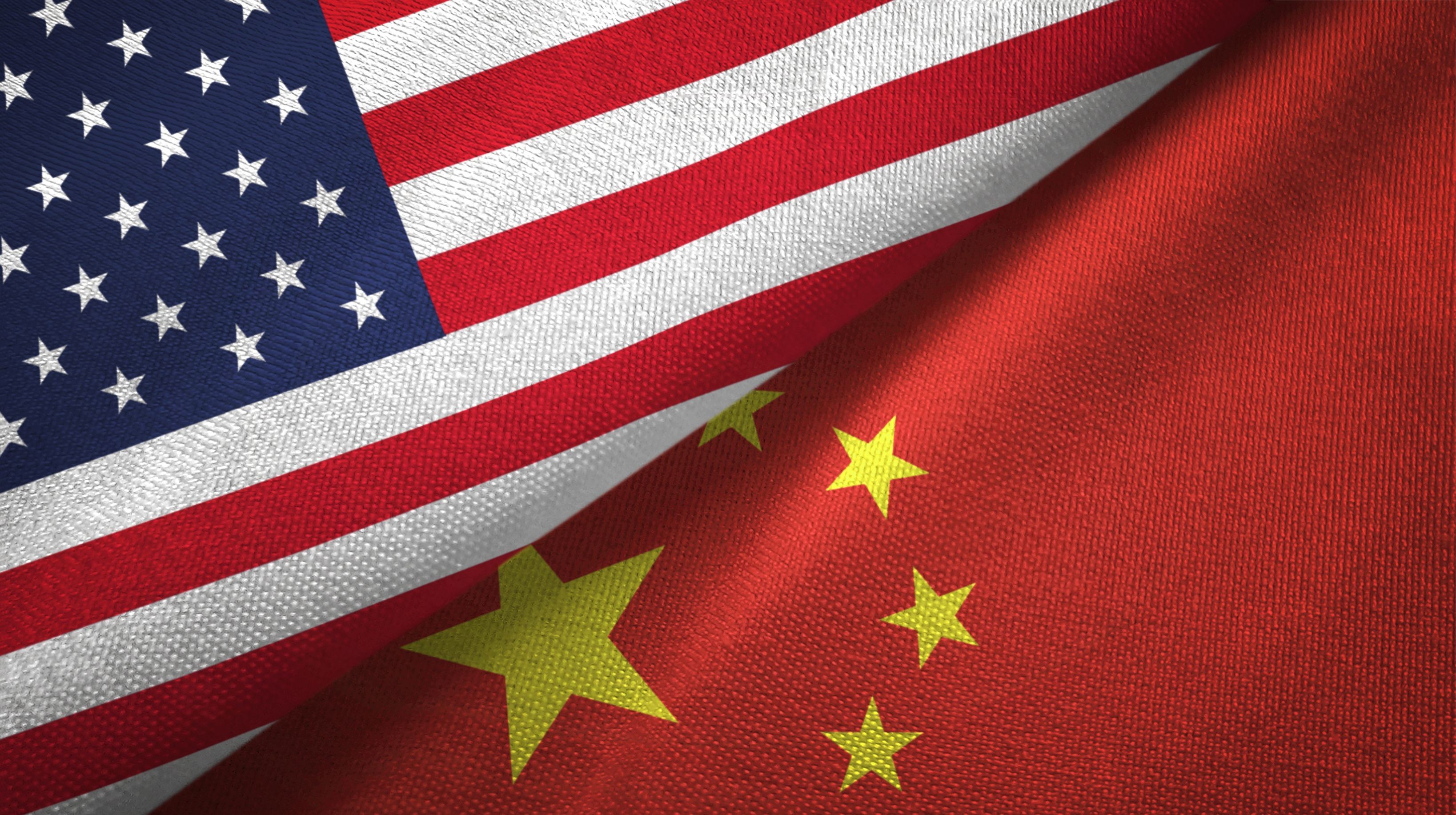
According to www.pharmaceuticalcommerce.com, China’s April 2026 Regulations on Industrial and Supply Chain Security — enacted immediately with no transition period — now allow Beijing to impose export restrictions on U.S. pharmaceutical companies for routine compliance with U.S. law, including forced labor due diligence under the Uyghur Forced Labor Prevention Act.

Direct Compliance Conflict Emerges

The regulations, paired with companion rules countering foreign extraterritorial jurisdiction, grant Chinese regulators broad authority to investigate and designate companies as “malicious entities” — triggering import and export restrictions. As Mayer Brown noted in its May 5, 2026 analysis, actions standard under U.S. regulatory practice — such as auditing a Chinese supplier or pausing shipments — now carry tangible retaliation risk.

According to the report, these measures transform what had been a chronic vulnerability into an acute compliance crisis. For U.S. generic drug manufacturers — which rely heavily on Chinese-sourced active pharmaceutical ingredients (API) — the operational stakes are immediate and high. The Brookings Institution cites estimates of U.S. dependence on Chinese-made API ranging from 8% to 47%; other analyses suggest China controls 80–90% of global API supply.

Structural Barriers to Reshoring

A September 29, 2025 Center for Strategic and International Studies (CSIS) analysis underscores why domestic API production remains elusive: generic medicines account for approximately 90% of U.S. prescriptions but only 13.1% of total drug spending — a cost dynamic that severely constrains margins available for reshoring investment.

The same CSIS report found that tariffs and executive orders alone cannot overcome three persistent constraints: regulatory complexity, permitting delays, and workforce gaps in U.S. pharmaceutical manufacturing. These structural barriers persist despite federal initiatives like the Department of Health and Human Services’ partnership with the API Innovation Center.

Operational Implications for Supply Chain Teams

To clarify implementation risks and mitigation pathways, Pharmaceutical Commerce interviewed Gerren McHam, vice president of government and external affairs at the API Innovation Center. McHam emphasized that supply chain teams must now treat U.S. compliance activities — previously viewed as low-risk governance functions — as potential triggers for Chinese countermeasures.

He stressed that building a viable domestic API base requires more than capital alone: it demands coordinated action across three levers — targeted public and private investment, consistent demand signaling from payers and federal procurement programs, and reform of sourcing practices that currently prioritize lowest-cost bids over resilience metrics. “Routine audits are no longer just about due diligence — they’re geopolitical exposure points,” McHam said.

“Actions that are routine under US law, such as auditing a Chinese supplier, pausing shipments, and conducting forced labor due diligence… can now trigger Chinese investigations and placement on a ‘malicious entity’ list.” — Mayer Brown, “China Expands Its Playbook,” May 5, 2026

Pathways to Resilience

McHam outlined three non-negotiable conditions for successful API reshoring: first, sustained multi-year funding aligned with FDA’s Manufacturing Readiness Framework; second, binding federal procurement commitments — such as requiring 25% of all federally purchased generics to contain domestically sourced API by 2028; and third, harmonized data standards enabling real-time traceability across API batches, starting with pilot programs launched in Q3 2026.

The CSIS analysis further notes that current U.S. domestic API capacity meets less than 5% of total demand — a gap widening amid tightening Chinese export controls. Without integrated policy intervention, McHam warned, supply chain teams face escalating trade-off decisions between legal compliance and commercial continuity.

Source: pharmaceuticalcommerce.com

Compiled from international media by the SCI.AI editorial team.
More on This Topic

  • Armstrong Transport nears $2B revenue after Quad-C investment (Jun 27, 2026)
  • FedEx to issue tariff refunds starting August 2026 (Jun 27, 2026)
  • Philadelphia cargo theft ring steals $1.5M, including $230K in dimes (Jun 26, 2026)
  • Trade Disruption Halts Sustainability Progress in Apparel Sourcing (Jun 26, 2026)
  • US capital rules could raise SCF costs, industry warns (Jun 26, 2026)
ShareTweet

Related Posts

Armstrong Transport nears $2B revenue after Quad-C investment
AI & Automation

Armstrong Transport nears $2B revenue after Quad-C investment

June 27, 2026
2
FedEx to issue tariff refunds starting August 2026
Geopolitics

FedEx to issue tariff refunds starting August 2026

June 27, 2026
2
Philadelphia cargo theft ring steals $1.5M, including $230K in dimes
AI & Automation

Philadelphia cargo theft ring steals $1.5M, including $230K in dimes

June 26, 2026
4
Trade Disruption Halts Sustainability Progress in Apparel Sourcing
Geopolitics

Trade Disruption Halts Sustainability Progress in Apparel Sourcing

June 26, 2026
3
US capital rules could raise SCF costs, industry warns
Geopolitics

US capital rules could raise SCF costs, industry warns

June 26, 2026
3
AmeriLux acquires 68-unit carrier; ANDY, Imperative expand cross-border capacity
Disruptions

AmeriLux acquires 68-unit carrier; ANDY, Imperative expand cross-border capacity

June 26, 2026
8

Leave a Reply Cancel reply

Your email address will not be published. Required fields are marked *

Recommended

Samsung SDS Showcases Cello Square at Manifest 2026: An AI-Powered End-to-End Digital Logistics Platform

16 Views
February 18, 2026
Vendor Risk Assessment Checklist (2026): 6 Key Risk Domains

Vendor Risk Assessment Checklist (2026): 6 Key Risk Domains

34 Views
April 4, 2026
Transforming Supply Chain Management: The Impact of AI and Data Science

Transforming Supply Chain Management: The Impact of AI and Data Science

13 Views
February 16, 2026
Australia logistics market reaches $163.6B, set to hit $223.4B by 2034

Australia logistics market reaches $163.6B, set to hit $223.4B by 2034

16 Views
May 27, 2026
Show More

SCI.AI

Global Supply Chain Intelligence. Delivering real-time news, analysis, and insights for supply chain professionals worldwide.

Categories

  • Supply Chain Management
  • Procurement
  • Technology


  • Risk & Resilience
  • Sustainability
  • Research

© 2026 SCI.AI. All rights reserved.

Powered by SCI.AI Intelligence Platform

Welcome Back!

Sign In with Facebook
Sign In with Google
Sign In with Linked In
OR

Login to your account below

Forgotten Password? Sign Up

Create New Account!

Sign Up with Facebook
Sign Up with Google
Sign Up with Linked In
OR

Fill the forms below to register

All fields are required. Log In

Retrieve your password

Please enter your username or email address to reset your password.

Log In

Scan to share via WeChat

Open WeChat and scan the QR code to share

QR Code

Add New Playlist

No Result
View All Result
  • Supply Chain
    • Strategy & Planning
    • Logistics & Transport
    • Manufacturing
    • Inventory & Fulfillment
  • Procurement
    • Strategic Sourcing
    • Supplier Management
    • Supply Chain Finance
  • Technology
    • AI & Automation
    • Robotics
    • Digital Platforms
  • Risk & Resilience
  • Sustainability
  • Research
  • Expert Columns
  • English
    • Chinese
    • English
  • Login
  • Sign Up

© 2026 SCI.AI