Explore

  • Trending
  • Latest
  • Tools
  • Browse
  • Subscription Feed

Logistics

  • Ocean
  • Air Cargo
  • Road & Rail
  • Warehousing
  • Last Mile

Regions

  • Southeast Asia
  • South Asia
  • Central Asia
  • Japan & Korea
  • Middle East
  • Europe
  • Russia
  • Africa
  • North America
  • Latin America
  • Australia
SCI.AI
  • Supply Chain
    • Strategy & Planning
    • Logistics & Transport
    • Manufacturing
    • Inventory & Fulfillment
  • Procurement
    • Strategic Sourcing
    • Supplier Management
    • Supply Chain Finance
  • Technology
    • AI & Automation
    • Robotics
    • Digital Platforms
  • Risk & Resilience
  • Sustainability
  • Research
  • Expert Columns
  • English
    • Chinese
    • English
No Result
View All Result
  • Login
  • Register
SCI.AI
No Result
View All Result
Home Risk & Resilience Geopolitics

Trump threatens 10–12.5% tariffs on 60 countries over forced labour

2026/06/06
in Geopolitics, Risk & Resilience, Trade & Tariffs
0 0
Trump threatens 10–12.5% tariffs on 60 countries over forced labour

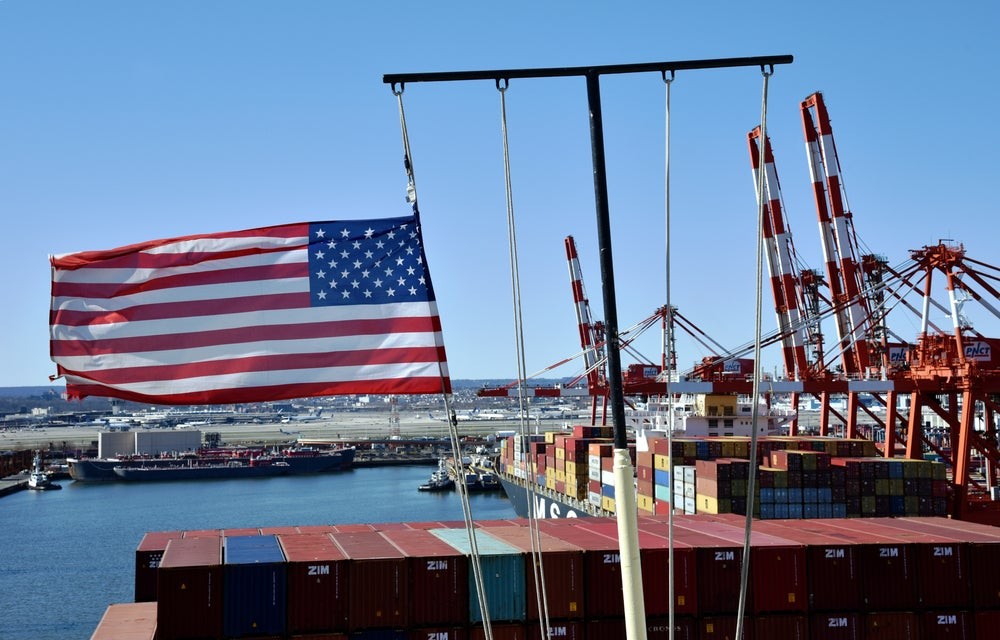
According to www.just-style.com, the Office of the United States Trade Representative (USTR) has issued a comprehensive report accusing 60 countries of failing to impose and effectively enforce laws prohibiting goods made with forced labour — triggering proposed tariffs of 10–12.5% on all imported products from those economies.

Scope and Targets

The USTR’s action explicitly names major apparel and textile supply chain partners, including China, Vietnam, Bangladesh, India, Mexico, the United Kingdom, Canada, and the European Union. The proposed duties apply to all products originating in the listed economies — with particular emphasis on sectors directly relevant to global fashion logistics: apparel, footwear, and textiles. This marks a sharp escalation following the February 2026 import tax measures that were subsequently struck down by the US Supreme Court.

Legal and Policy Rationale

The USTR asserts that the failure of these trading partners creates “unfair competition” for US commerce. US Trade Representative Jamieson Greer stated:

“The failure of our most important trading partners to address the importation of goods made with forced labour is unacceptable. This creates a dynamic where American workers are forced to compete globally on an uneven playing field. We will no longer tolerate this disparity.”

Greer acknowledged limited progress by some partners — citing enforcement mechanisms under the USMCA and commitments in Agreements on Reciprocal Trade — but stressed that each partner must do more to prevent trade from “perversely encouraging and entrenching forced labour globally.”

International Reactions

Bernd Lange, chair of the European Union’s trade committee, dismissed the USTR’s findings as “absurd” in a post on X (formerly Twitter), adding:

“The EU has adopted the world’s most stringent rules against products made with forced labour. This looks very much like trying to make the facts fit a legal justification for tariffs that has already been decided.”

In the UK, Marco Forgione, director general at the Chartered Institute of Export & International Trade, called the update “disappointing but not surprising” and warned it would send a fresh wave of uncertainty through the UK trading community. He referenced recent diplomatic success on whisky tariffs and underscored the importance of the UK–US Economic Prosperity Deal.

Supply Chain Implications

For apparel supply chain professionals, the tariff threat introduces immediate cost and compliance pressures across sourcing hubs. Bangladesh, Vietnam, and India collectively account for over 45% of US apparel imports by value, according to 2025 USITC data. China remains the largest single source of US textile and apparel imports despite multi-year diversification efforts. With tariffs potentially applying to all products, not just high-risk categories, compliance teams face expanded due diligence mandates — including enhanced supplier audits, traceability system upgrades, and third-party verification across tier-2 and tier-3 suppliers. The timing is especially acute: Q2 2026 sourcing cycles are now underway for Fall/Winter collections, meaning procurement decisions made in June and July will be directly exposed to this policy risk.

Factual Context and Precedent

This action follows a pattern of US trade enforcement tied to forced labour concerns. The Uyghur Forced Labor Prevention Act (UFLPA), enacted in 2021, already bans imports of cotton and polysilicon from Xinjiang unless importers can demonstrate clear supply chain separation. In fiscal year 2025, US Customs and Border Protection detained $1.2 billion worth of goods under UFLPA — a 37% increase from FY2024. Meanwhile, the EU’s new Forced Labour Regulation — set to enter full application in June 2026 — mirrors many USTR concerns but applies binding prohibitions only after formal investigations, unlike the US’s proposed blanket tariff mechanism. Other major apparel importers have taken parallel steps: Canada’s Fighting Against Forced Labour and Child Labour in Supply Chains Act came into force in January 2024, requiring annual public disclosures from companies with >$20 million CAD in revenue.

Source: Just Style

Compiled from international media by the SCI.AI editorial team.
More on This Topic

  • China-Russia Payments Triple Intermediaries Amid Sanctions Risk (Jun 6, 2026)
  • S&OP App Built in 30 Hours — SCMR (Jun 6, 2026)
  • Africa’s $447B Logistics Market — Transport Topics (Jun 6, 2026)
  • US government appeals Trump tariff refund order, $166B at stake (Jun 5, 2026)
  • Orbian launches 2-day SCF onboarding, Flex Pay wins Big Four IFRS approval (Jun 5, 2026)
ShareTweet

Related Posts

China-Russia Payments Triple Intermediaries Amid Sanctions Risk
Geopolitics

China-Russia Payments Triple Intermediaries Amid Sanctions Risk

June 6, 2026
1
S&OP App Built in 30 Hours — SCMR
Disruptions

S&OP App Built in 30 Hours — SCMR

June 6, 2026
1
Africa’s $447B Logistics Market — Transport Topics
Disruptions

Africa’s $447B Logistics Market — Transport Topics

June 6, 2026
1
US government appeals Trump tariff refund order, $166B at stake
Geopolitics

US government appeals Trump tariff refund order, $166B at stake

June 5, 2026
3
Orbian launches 2-day SCF onboarding, Flex Pay wins Big Four IFRS approval
Geopolitics

Orbian launches 2-day SCF onboarding, Flex Pay wins Big Four IFRS approval

June 5, 2026
5
Roadside Cameras Capture 20M Truck Images Daily — FreightWaves
Disruptions

Roadside Cameras Capture 20M Truck Images Daily — FreightWaves

June 5, 2026
4

Leave a Reply Cancel reply

Your email address will not be published. Required fields are marked *

Recommended

Humanoid Robots Enter Commercialization Phase: Automotive and Logistics Lead Adoption

Humanoid Robots Enter Commercialization Phase: Automotive and Logistics Lead Adoption

11 Views
March 19, 2026
FIS Powers $2.55B Glencore Trade Receivables Securitization

FIS Powers $2.55B Glencore Trade Receivables Securitization

18 Views
May 15, 2026
UPS收购Estafeta,为墨西哥及其他地区的客户提供强大的全球物流解决方案和贸易机会

UPS Acquires Estafeta, Offering Robust Global Logistics Solutions and Trade Opportunities in Mexico and Beyond

9 Views
February 16, 2026
CMA CGM Launches New Air Cargo Route to Vietnam with 100-Ton Capacity

CMA CGM Launches New Air Cargo Route to Vietnam with 100-Ton Capacity

16 Views
May 16, 2026
Show More

SCI.AI

Global Supply Chain Intelligence. Delivering real-time news, analysis, and insights for supply chain professionals worldwide.

Categories

  • Supply Chain Management
  • Procurement
  • Technology


  • Risk & Resilience
  • Sustainability
  • Research

© 2026 SCI.AI. All rights reserved.

Powered by SCI.AI Intelligence Platform

Welcome Back!

Sign In with Facebook
Sign In with Google
Sign In with Linked In
OR

Login to your account below

Forgotten Password? Sign Up

Create New Account!

Sign Up with Facebook
Sign Up with Google
Sign Up with Linked In
OR

Fill the forms below to register

All fields are required. Log In

Retrieve your password

Please enter your username or email address to reset your password.

Log In

Scan to share via WeChat

Open WeChat and scan the QR code to share

QR Code

Add New Playlist

No Result
View All Result
  • Supply Chain
    • Strategy & Planning
    • Logistics & Transport
    • Manufacturing
    • Inventory & Fulfillment
  • Procurement
    • Strategic Sourcing
    • Supplier Management
    • Supply Chain Finance
  • Technology
    • AI & Automation
    • Robotics
    • Digital Platforms
  • Risk & Resilience
  • Sustainability
  • Research
  • Expert Columns
  • English
    • Chinese
    • English
  • Login
  • Sign Up

© 2026 SCI.AI