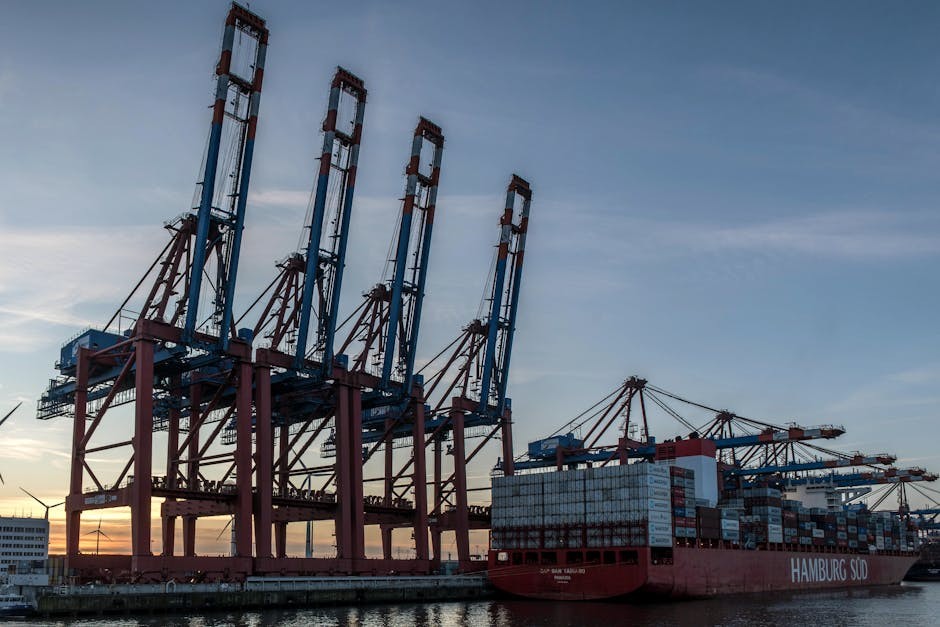
According to news.google.com, Logistics UK has called for increased air cargo capacity to address growing freight pressures across the UK and Europe.
Industry-Wide Capacity Concerns
Logistics UK, representing over 6,000 companies in the UK logistics sector, stated that current air cargo infrastructure is unable to meet rising demand, particularly in the wake of geopolitical disruptions and seasonal peak volumes. The organization cited a 12% increase in air freight demand from January to June 2024 compared to the same period in 2023, according to industry data from the International Air Transport Association (IATA).
At a recent seminar held in London on July 10, 2024, Logistics UK executives emphasized that the existing network of cargo hubs at Heathrow, Manchester, and Birmingham is operating at or near full capacity. The group noted that during the 2023 holiday season, cargo flights at Heathrow experienced an average 18% delay rate, with 23% of freight loads being rerouted due to capacity constraints.
Call for Strategic Investment
Logistics UK urged both the UK government and private sector stakeholders to invest in expanding air cargo infrastructure. The group proposed a £250 million public-private investment plan over five years to upgrade existing facilities and develop new freight-only terminals at regional airports.
“The current model is no longer sustainable,” said Sarah Thompson, Director of Policy at Logistics UK. “We’ve seen a 34% rise in e-commerce deliveries since 2020, and air cargo is the only viable option for time-sensitive goods. Without additional capacity, supply chains will face further disruption during peak seasons. We need to act now to avoid a repeat of the 2023 holiday chaos.” — Sarah Thompson, Director of Policy, Logistics UK
Impact on Supply Chains
Industry analysts warn that inadequate air cargo capacity could lead to longer delivery times and higher freight rates. According to a July 2024 report by Transport Intelligence, air freight rates from the UK to Southeast Asia rose by 41% over the past 12 months. The same report indicated that 67% of UK importers using air freight experienced at least one delivery delay in Q2 2024.
Logistics UK also highlighted that the UK’s reliance on air freight for high-value goods—such as electronics, pharmaceuticals, and automotive parts—makes the sector particularly vulnerable. In 2023, 58% of all UK air cargo shipments were classified as high-value, with an average value of £42,000 per flight.
Comparative Industry Trends
Similar concerns are emerging in other European markets. In June 2024, the European Air Cargo Association (EACA) reported that air freight volumes in Germany, France, and the Netherlands have grown by 14%, 11%, and 13% respectively since January 2024. Meanwhile, the EU’s Single Sky initiative, aimed at improving air traffic management, has only partially alleviated congestion at major hubs.
Other logistics providers are responding with alternative strategies. DHL has announced plans to increase its dedicated air freight fleet by 18% by the end of 2025, while FedEx has opened a new freight hub in Amsterdam, which is expected to handle 45,000 tonnes of cargo annually starting Q1 2025.
Source: news.google.com
Compiled from international media by the SCI.AI editorial team.