Skip to content

Africa Supply Chain

China Launches Direct Africa Shipping Routes Amid $6.37B Trade Surge

China has launched direct shipping routes from Qingdao, Yantai, and Tianjin to Africa, cutting transit times and supporting a $6.37 billion export surge (+26% YoY) in Q1 2026. New services reduce shipping duration to ~40 days on the Tianjin–South Africa lane—a 10-day improvement—while Yantai handled over 2 million tonnes (+30%). These moves precede China’s 1 May 2026 zero-tariff policy for 53 African countries. According to the report, the combined effect of faster logistics and tariff removal is expected to accelerate trade in industrial goods, tech products, and infrastructure equipment.

Original source: Source information pending

China Launches Direct Africa Shipping Routes Amid $6.37B Trade Surge

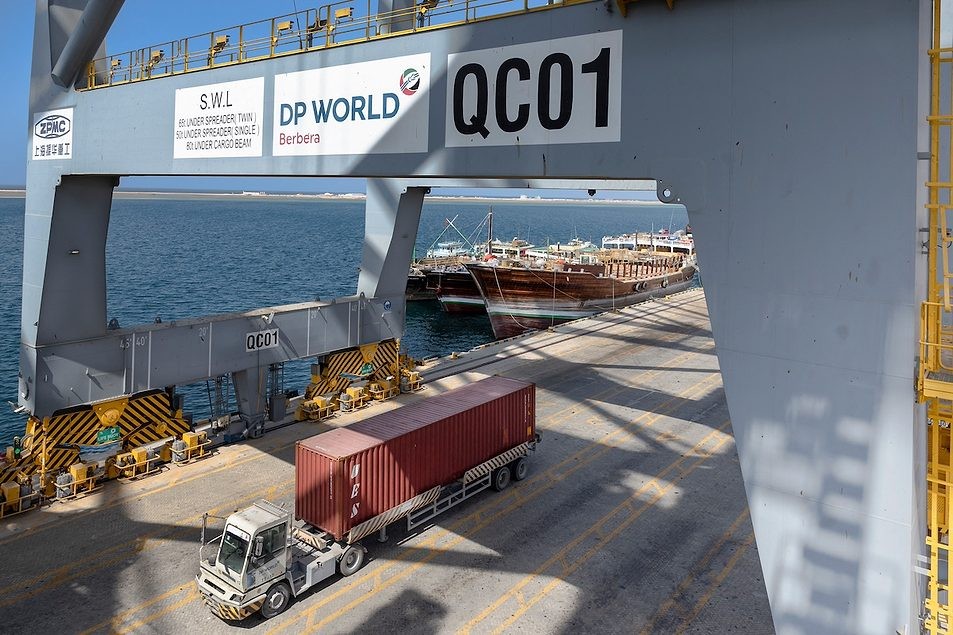
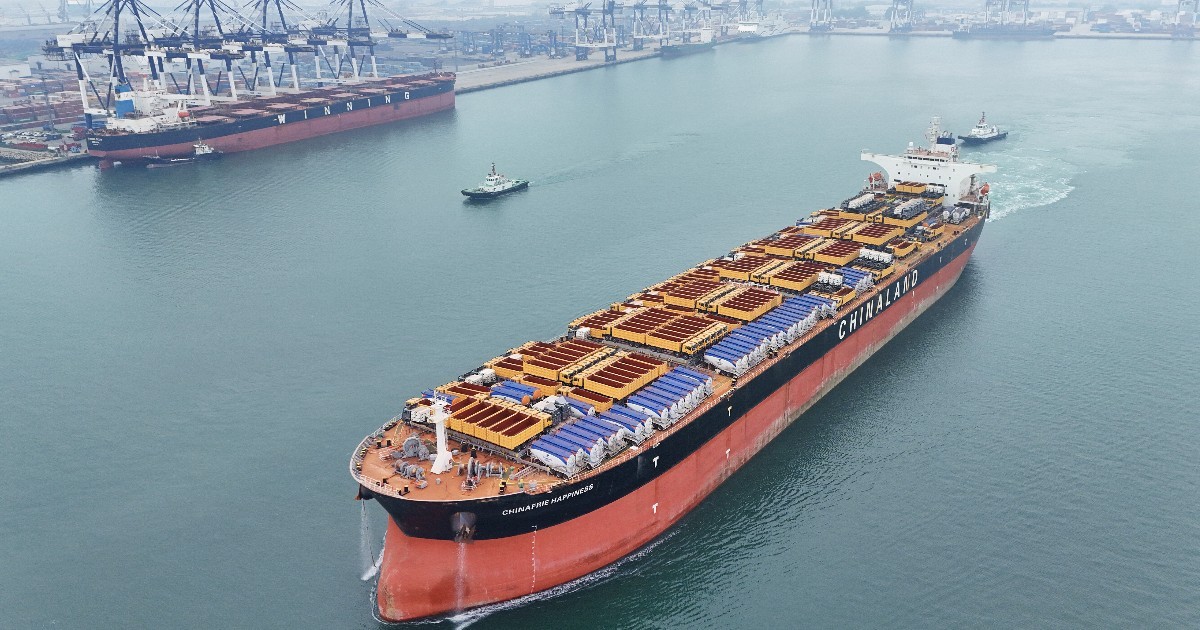
According to africa.businessinsider.com, China has launched new direct maritime shipping routes from major domestic ports—including Qingdao, Yantai, and Tianjin—to multiple African destinations, cutting transit times and lowering logistics costs ahead of a scheduled zero-tariff policy for 53 African countries effective 1 May 2026.

New Routes Accelerate Key Corridors

The expansion targets long-standing supply chain constraints in the China–Africa trade corridor. Qingdao Port recorded exports to Africa exceeding $6.37 billion in the first quarter of 2026—up more than 26% year-on-year. Demand is strongest for machinery, electronics, and high-tech products, reflecting Africa’s rising import needs in industrial and technology sectors.

Yantai Port has expanded its network with new direct services to both North and Southern Africa, reporting a cargo surge of over 30% in Q1 2026 and handling more than 2 million tonnes for the first time—marking a milestone in corridor utilisation.

Tianjin Port launched a dedicated container service to South Africa, reducing average transit time by roughly 10 days to about 40 days. Authorities state this improves predictability and lowers logistics costs for businesses trading industrial goods, raw materials, and manufactured products.

Policy and Infrastructure Alignment

The route expansions align with Beijing’s broader trade strategy, which pairs improved logistics connectivity with tariff liberalisation. According to the report, China’s zero-tariff policy now covers 53 of Africa’s 54 countries, excluding one in Southern Africa. The policy builds on earlier full tariff exemptions granted to least-developed countries, many of which are in Africa.

Analysts cited in the source note the combined impact of faster shipping and reduced tariff barriers could further accelerate trade volumes—particularly in manufacturing inputs, consumer goods, and infrastructure-related equipment, where China–Africa exchange has been expanding steadily.

Practical Implications for Supply Chain Professionals

For global supply chain professionals, these developments signal measurable shifts in lead time reliability and landed cost structures across key Africa-facing lanes. The 10-day reduction on the Tianjin–South Africa route alone may influence inventory planning cycles, safety stock calculations, and modal selection decisions—especially for time-sensitive industrial components or capital equipment shipments. Meanwhile, Qingdao’s 26% YoY export growth and Yantai’s 30% cargo surge suggest increasing port capacity and service frequency, potentially easing booking volatility previously associated with transshipment-dependent routes via Dubai or Singapore.

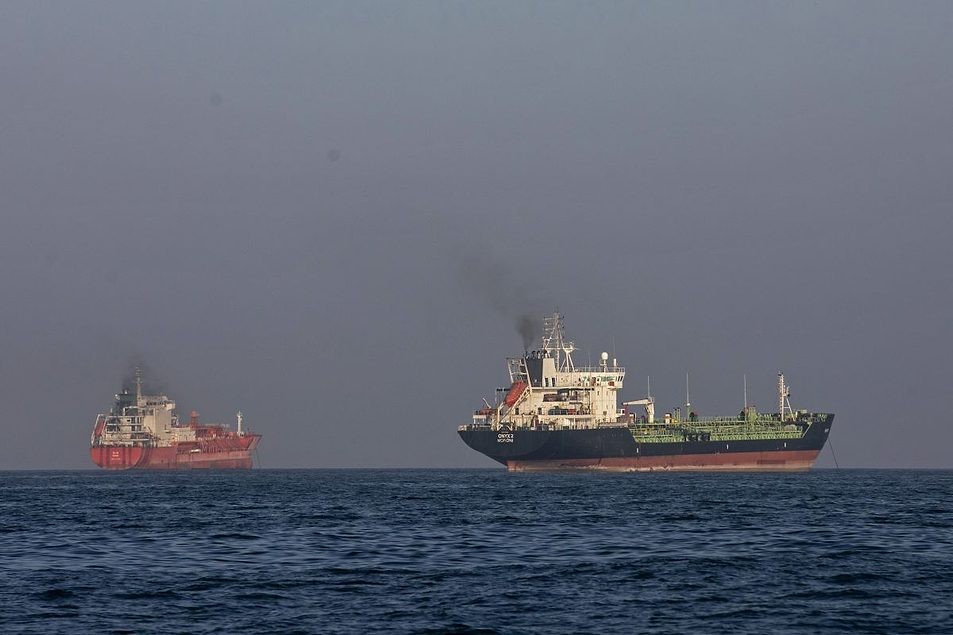
Industry context reinforces the strategic timing: concurrent with these developments, Asia and Europe have seen record traffic diverting around the Red Sea due to Middle East tensions—highlighting Africa’s growing role not just as a destination, but also as a geographic pivot in global maritime routing. While no single carrier is named in the source, the infrastructure upgrades reflect coordinated action by Chinese port authorities and state-linked shipping stakeholders operating under national trade objectives.

Source: africa.businessinsider.com

Compiled from international media by the SCI.AI editorial team.
Ask SCI.AI Finished reading? Continue with SCI.AI. Explore the related policy, route, company and historical context. Continue asking
Maersk, Hapag-Lloyd resume Red Sea route amid capacity relief
Africa Supply Chain

Maersk, Hapag-Lloyd resume Red Sea route amid capacity relief

A.P. Moller-Maersk and Hapag-Lloyd announced on July 6, 2026, they are resuming Red Sea and Suez Canal transit for select Asia–Europe services — the first major carrier alliance to do so since late 2023. The move follows security reassessments and aims to alleviate vessel capacity constraints that drove spot rates up 37% in recent weeks. Maersk shares fell 9%, Hapag-Lloyd dropped 4.6%, reflecting market expectations of rate normalization. The Majestic Maersk, currently near Oman, will be the first redirected vessel. The Cape of Good Hope detour added ~14–18 days and $250,000–$350,000 in fuel costs per round trip.

DP World pledges $4B Africa expansion amid 75% fuel cost surge
Africa Supply Chain

DP World pledges $4B Africa expansion amid 75% fuel cost surge

DP World reaffirms its $4 billion investment pledge in African port and logistics infrastructure despite a 75% fuel price surge in South Africa and disruptions caused by the Strait of Hormuz closure. CEO Mohammed Akoojee confirmed ongoing projects including Maputo Port expansion and the DRC’s first deep-water port, due in Q1 next year. The company operates 7,000+ trucks across Africa and is shifting toward integrated logistics ecosystems linking Tanzania, Rwanda, Zambia, and Congo.

Global Hunger Falls to 645M in 2025 Amid Conflict Risks
Africa Supply Chain

Global Hunger Falls to 645M in 2025 Amid Conflict Risks

Global hunger fell to 645 million people (7.8% of the world population) in 2025, marking the third straight annual decline since pandemic-driven spikes. Yet conflicts — especially in the Middle East — and climate shocks threaten reversal, with the UN World Food Programme warning that 45 million more could face acute food insecurity if the Iran war continues and oil exceeds $100/barrel. Africa remains the epicenter: one in five people there were undernourished in 2025, and the UN projects 56% of the world’s hungry will live there by 2030. Supply chain professionals must now integrate humanitarian risk data into logistics planning, particularly across Red Sea and Suez Canal corridors.

Welcome Back!

Login to your account below

Create New Account!

Fill the forms below to register

Retrieve your password

Please enter your username or email address to reset your password.

Scan to share via WeChat

Open WeChat and scan the QR code to share

QR Code

Add New Playlist