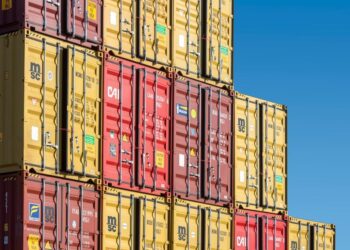
According to www.logisticsmiddleeast.com, the UAE handled 262,000 containers in March 2026 while maintaining stable supply chain operations despite regional volatility.
Resilient Operations Across Integrated Networks
The UAE’s transport and supply chain system continues to operate steadily, supported by integrated infrastructure, real-time coordination, and expanded capacity. HE Suhail Mohamed Al Mazrouei, Minister of Energy and Infrastructure, stated:
“The continuity of the transport and supply chain system reflects a high level of resilience in addressing regional challenges and enhances the efficient flow of goods.”
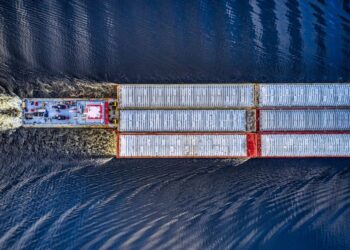
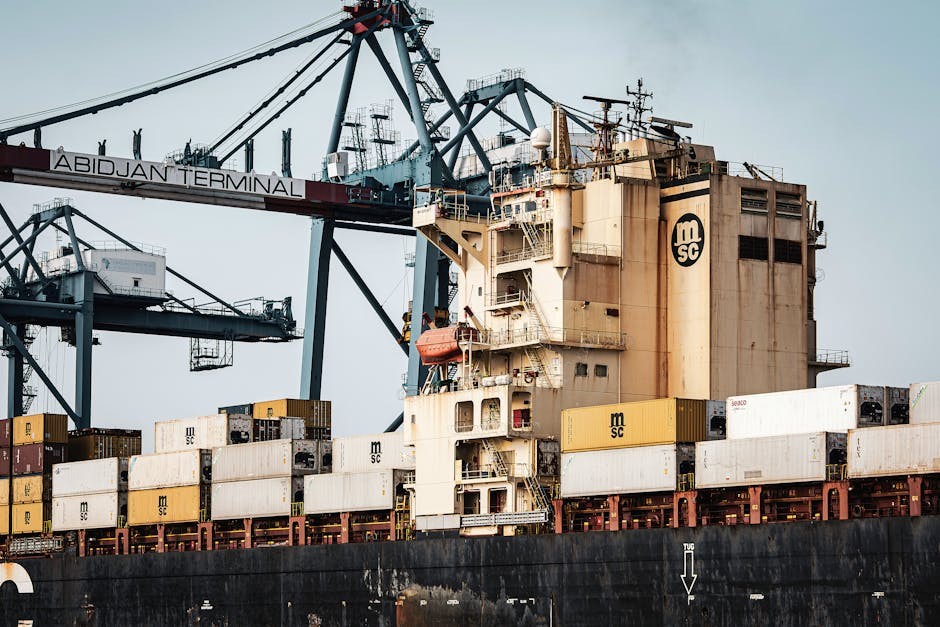
Authorities reported that approximately 4,800 trucks operate daily to sustain port connectivity, and around 1,200 vessels were monitored within UAE waters to ensure uninterrupted supply and service flows. A national system led by the Supply and Transport Committee coordinates more than 20 federal and local entities alongside private sector operators.
Infrastructure Expansion and Capacity Gains
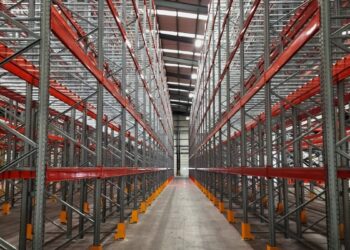
Infrastructure upgrades have been central to sustaining performance. Eastern coast port capacity has increased twentyfold, while daily truck movement has risen thirtyfold compared to previous levels. Cooling infrastructure expanded from 490 to more than 2,400 outlets; crane availability now exceeds 30 units; and over 7 million square metres of storage space has been deployed. Fujairah Port alone is equipped to handle more than 2.8 million metric tonnes of bulk cargo.
Regulatory Facilitation and Operational Agility
To support throughput, authorities implemented multiple facilitation measures, including lifting truck movement restrictions, waiving gate fees on key routes, and activating customs corridors to reduce clearance times. Mohammed Al Mansoori, Undersecretary for Infrastructure and Transport Affairs, said:
“These facilitations included activating alternative routes, lifting restrictions on truck movement between ports, and coordinating with local authorities to remove truck transit bans.”
He added:
“This contributed to accelerating transport operations and reducing travel time.”
Cross-border procedures have also been simplified — including allowing entry of empty vehicles to maintain fleet circulation.
Rail Integration Strengthens Multimodal Resilience
The national rail network plays an expanding role in linking ports, logistics zones, and land border crossings. Freight operations strengthen inland cargo distribution and reduce reliance on single transport modes. Captain Mohamed Juma Al Shamisi, Managing Director and Group CEO of Abu Dhabi Ports Group, noted:
“The high readiness of the national fleet, combined with operational flexibility, has ensured stable and efficient goods flow during emergencies.”
Officials state that rail integration supports long-term scalability and improves resilience by diversifying cargo movement pathways. The combined effect of infrastructure investment, regulatory facilitation, and operational coordination reinforces the UAE’s position as a regional logistics hub with stable throughput and high system reliability.
Source: www.logisticsmiddleeast.com
Compiled from international media by the SCI.AI editorial team.