According to www.ttnews.com, former U.S. President Donald Trump announced on May 1, 2026, that the United States will raise tariffs on automobiles and trucks imported from the European Union to 25%, citing noncompliance with a previously negotiated transatlantic trade agreement.
Tariff Announcement and Conditions
In a social media post, Trump stated:
“I am pleased to announce that, based on the fact the European Union is not complying with our fully agreed to Trade Deal, next week I will be increasing Tariffs charged to the European Union for Cars and Trucks coming into the United States. The Tariff will be increased to 25%.” — Donald Trump, former U.S. President
The announcement specifies that the new tariff rate will apply only to vehicles manufactured in the EU. Trump emphasized an exemption for EU-based automakers producing cars and trucks in U.S. facilities:
“It is fully understood and agreed that, if they produce Cars and Trucks in U.S.A. Plants, there will be NO TARIFF.” — Donald Trump, former U.S. President
Background of the Trade Agreement
Under the referenced transatlantic trade deal, the EU had committed to eliminating tariffs on U.S. industrial goods in return for a 15% tariff ceiling on most EU products entering the U.S. However, the source states that this pact has faced challenges since its initial agreement — though no details about the nature or timeline of those challenges are provided in the article.
Implications for Global Supply Chain Professionals
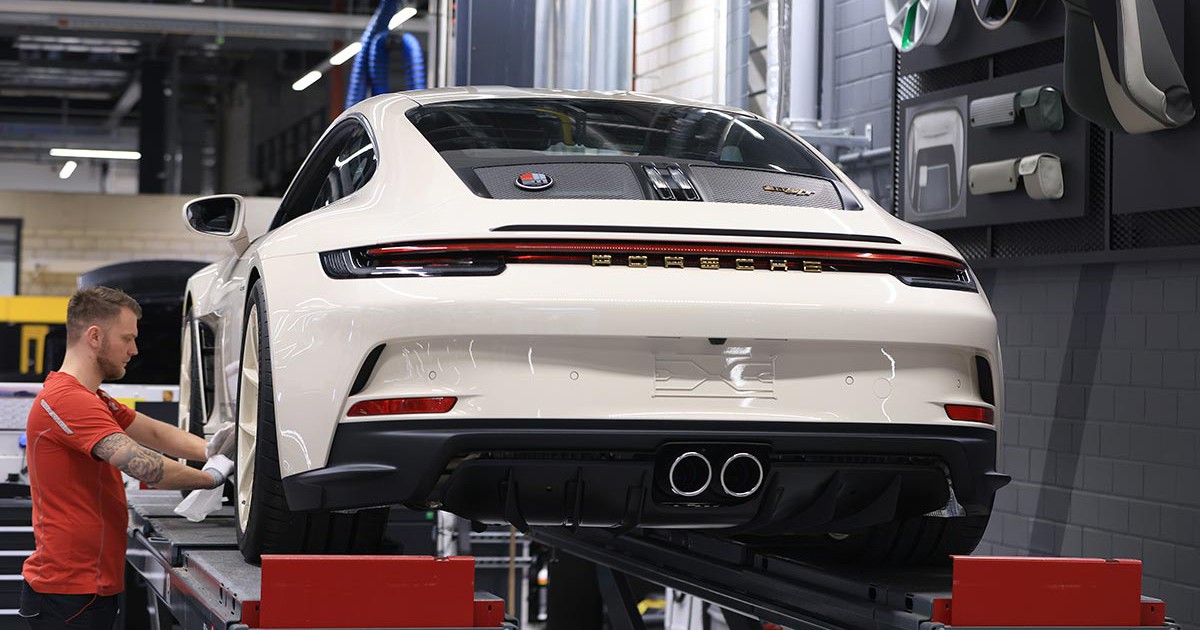
For supply chain professionals managing cross-border automotive logistics between the EU and U.S., the proposed tariff shift introduces immediate cost and compliance considerations. Vehicles sourced from EU assembly plants — including those of major manufacturers such as BMW, Mercedes-Benz, and Porsche (as illustrated by the article’s accompanying photo of the Porsche AG Zuffenhausen plant in Stuttgart) — would face significantly higher landed costs unless re-routed through U.S.-based production or alternative trade regimes. This mirrors recent patterns observed during the 2018–2019 U.S.–EU steel and aluminum tariff disputes, where companies accelerated investment in U.S. manufacturing capacity to preserve duty-free access. According to established industry data, over 35% of EU vehicle exports to the U.S. in 2025 were passenger cars and light trucks — categories directly affected by the announced measure. While the article does not specify effective date or legal mechanism, practitioners should anticipate rapid operational adjustments, including revised landed-cost modeling, potential shifts in regional sourcing strategies, and heightened scrutiny of country-of-origin documentation.
Source: Transport Topics
Compiled from international media by the SCI.AI editorial team.