Explore

  • Trending
  • Latest
  • Tools
  • Browse
  • Subscription Feed

Logistics

  • Ocean
  • Air Cargo
  • Road & Rail
  • Warehousing
  • Last Mile

Regions

  • Southeast Asia
  • South Asia
  • Central Asia
  • Japan & Korea
  • Middle East
  • Europe
  • Russia
  • Africa
  • North America
  • Latin America
  • Australia
SCI.AI
  • Supply Chain
    • Strategy & Planning
    • Logistics & Transport
    • Manufacturing
    • Inventory & Fulfillment
  • Procurement
    • Strategic Sourcing
    • Supplier Management
    • Supply Chain Finance
  • Technology
    • AI & Automation
    • Robotics
    • Digital Platforms
  • Risk & Resilience
  • Sustainability
  • Research
  • Expert Columns
  • English
    • Chinese
    • English
No Result
View All Result
  • Login
  • Register
SCI.AI
No Result
View All Result
Home Middle East Supply Chain

UAE-Saudi New Trade Corridor Bypasses Hormuz Strait

2026/04/14
in Middle East Supply Chain
0 0
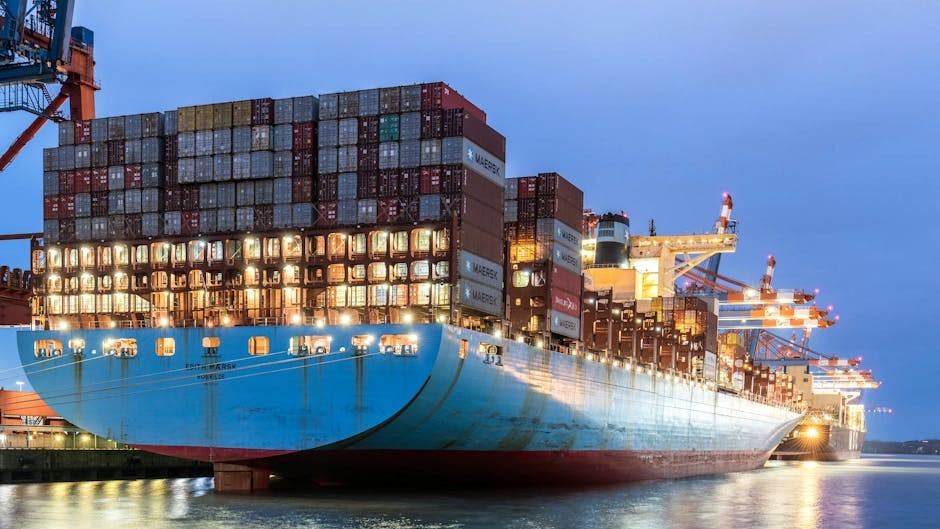
UAE-Saudi New Trade Corridor Bypasses Hormuz Strait

According to www.thenationalnews.com, the UAE and Saudi Arabia are establishing a new integrated sea-land trade corridor linking Sharjah and Dammam to accelerate cargo movement amid escalating disruptions from the Iran war. The initiative is coordinated by Saudi Ports Authority (Mawani) and Sharjah-based logistics firm Gulftainer.

New Sea-Land Corridor Structure

The corridor integrates Khorfakkan Commercial Terminal on the UAE’s east coast — which bypasses the Strait of Hormuz — with Sajaa Dry Port in Sharjah and inland logistics hubs. This forms a direct transport link between the UAE and Dammam, a key commercial hub in eastern Saudi Arabia.

Mawani stated the project aims to improve “cargo flow efficiency and reduce transit time”, while Gulftainer emphasized that the Khorfakkan Inland Corridor enables “direct, reliable transport linking the UAE to key Saudi market, Dammam”.

“By leveraging Khorfakkan Inland Corridor – Khorfakkan Commercial Terminal, Sajaa Dry Port, and integrated inland and land-sea corridors, we enable direct, reliable transport linking the UAE to key Saudi market, Dammam.” — Gulftainer, LinkedIn post

Strategic Context: Hormuz Disruption Escalates

The Strait of Hormuz remains effectively closed for shipping traffic as Iran conducts attacks on vessels transiting the waterway between Iran and Oman. On Monday, March 23, 2026, Iran threatened to lay sea mines across the Gulf if its southern coast and islands are attacked by the US and Israel — a move that could further hinder regional trade flows.

Also on that day, US President Donald Trump announced on Truth Social that military strikes on Iran’s energy infrastructure had been postponed for five days following talks with Tehran. That came hours before the expiration of a 48-hour ultimatum demanding Iran “fully open” the Strait of Hormuz — a demand Tehran vowed to retaliate against.

The Strait of Hormuz is vital for Gulf economies: most of their goods and oil exports pass through it, underpinning national economic growth. With this chokepoint compromised, the UAE-Saudi corridor serves as a critical alternative route to sustain trade continuity.

Operational and Practical Implications

While the project enhances supply chain resilience and improves market access for both nations, the source states that details on cargo types and annual volumes remain undisclosed by the project partners. No timeline for full operational launch or phased implementation milestones was provided.

For global supply chain professionals, this development signals an accelerating shift toward regionalized, geopolitically adaptive infrastructure. Unlike traditional Gulf trade routes reliant on Hormuz, this corridor leverages existing assets — including Khorfakkan’s strategic east-coast location and Sajaa’s dry port capacity — to create redundancy without requiring greenfield construction. It also reflects a broader regional trend: in recent years, UAE ports have expanded multimodal inland connectivity (e.g., rail links to inland Emirates), while Saudi Arabia has invested heavily in its National Transport and Logistics Strategy, aiming to position itself as a global logistics hub by 2030. Similar resilience-driven initiatives include Oman’s Sohar Port expansion and Bahrain’s efforts to strengthen non-Hormuz maritime links — all responding to documented volatility in Gulf maritime security since 2023.

Source: www.thenationalnews.com

Compiled from international media by the SCI.AI editorial team.
More on This Topic

  • UAE Free Zone Compliance: Customs Audits Rise 2026 (Apr 13, 2026)
  • UAE Leads Regional Logistics Transformation: 5 Green Corridor Expansions (Apr 12, 2026)
ShareTweet

Related Posts

Middle East Supply Chain

UAE Free Zone Compliance: Customs Audits Rise 2026

April 13, 2026
3
Middle East Supply Chain

UAE Leads Regional Logistics Transformation: 5 Green Corridor Expansions

April 12, 2026
12

Leave a Reply Cancel reply

Your email address will not be published. Required fields are marked *

Recommended

Trump Threatens 25% Tariff Hike on South Korea: $350B Investment Pact at Risk as Seoul Stalls in 2026

Trump Threatens 25% Tariff Hike on South Korea: $350B Investment Pact at Risk as Seoul Stalls in 2026

43 Views
March 9, 2026
Africa’s Export Diplomacy at a Tectonic Inflection: How US-China Strategic Rivalry Is Forcing a Supply Chain Reconfiguration Across the Continent

Africa’s Export Diplomacy at a Tectonic Inflection: How US-China Strategic Rivalry Is Forcing a Supply Chain Reconfiguration Across the Continent

6 Views
February 28, 2026
Nestlé, ILO Launch 2-Year Coffee Human Rights Project

Nestlé, ILO Launch 2-Year Coffee Human Rights Project

7 Views
April 5, 2026
AI and Supply Chain Transformation: Unveiling the Future of SaaS in Logistics

AI and Supply Chain Transformation: Unveiling the Future of SaaS in Logistics

6 Views
March 17, 2026
Show More

SCI.AI

Global Supply Chain Intelligence. Delivering real-time news, analysis, and insights for supply chain professionals worldwide.

Categories

  • Supply Chain Management
  • Procurement
  • Technology


  • Risk & Resilience
  • Sustainability
  • Research

© 2026 SCI.AI. All rights reserved.

Powered by SCI.AI Intelligence Platform

Welcome Back!

Sign In with Facebook
Sign In with Google
Sign In with Linked In
OR

Login to your account below

Forgotten Password? Sign Up

Create New Account!

Sign Up with Facebook
Sign Up with Google
Sign Up with Linked In
OR

Fill the forms below to register

All fields are required. Log In

Retrieve your password

Please enter your username or email address to reset your password.

Log In

Scan to share via WeChat

Open WeChat and scan the QR code to share

QR Code

Add New Playlist

No Result
View All Result
  • Supply Chain
    • Strategy & Planning
    • Logistics & Transport
    • Manufacturing
    • Inventory & Fulfillment
  • Procurement
    • Strategic Sourcing
    • Supplier Management
    • Supply Chain Finance
  • Technology
    • AI & Automation
    • Robotics
    • Digital Platforms
  • Risk & Resilience
  • Sustainability
  • Research
  • Expert Columns
  • English
    • Chinese
    • English
  • Login
  • Sign Up

© 2026 SCI.AI