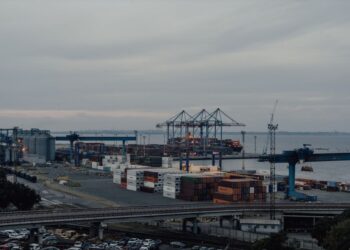
According to zambianobserver.com, construction of the Lobito Corridor railway project is set to begin in 2026, with completion targeted for 2030. The 830-kilometer rail line will connect Zambia’s Copperbelt and North-Western Province to the Lobito Port in Angola — providing a direct Atlantic export route for landlocked Zambia.
Project Scope and Strategic Backing
The project is being spearheaded by the Africa Finance Corporation and is valued at approximately $5 billion. It represents the largest railway initiative in Zambia since the TAZARA Railway was built in the 1970s. The source states that the United States is investing $553 million in upgrades on the Angolan side of the corridor, while China is contributing $1.2 billion to revitalize the TAZARA line — reinforcing Zambia’s role as a strategic node in regional and global trade infrastructure.
Economic and Supply Chain Impacts
According to the report, the Lobito Corridor is expected to deliver four primary benefits:
- Faster, cheaper exports: Direct access to Lobito Port will significantly reduce transport time and costs for copper and other exports.
- Job creation: The scale of construction will generate thousands of jobs across engineering, logistics, and local supply chains.
- Expanded trade corridors: Beyond mining, the railway will unlock opportunities in agriculture, manufacturing, and cross-border trade with Angola and the Democratic Republic of the Congo.
- Global investment momentum: The coordinated funding from the U.S. and China signals growing international confidence in Zambia’s logistical integration.
Context for Supply Chain Professionals
For global supply chain professionals, the Lobito Corridor addresses long-standing bottlenecks in Central African freight movement. Historically, Zambian copper exports relied heavily on South Africa’s Richards Bay or Dar es Salaam in Tanzania — routes adding days and cost due to distance and port congestion. The new corridor offers a shorter, more predictable alternative aligned with the African Continental Free Trade Area (AfCFTA) goals. Its multimodal design — integrating rail, port, and road links — supports just-in-time delivery models for mining equipment, agro-processed goods, and industrial inputs. Practitioners should monitor tender timelines, customs harmonization progress between Zambia, Angola, and DRC, and early adoption patterns among major mining firms like First Quantum Minerals and Barrick Gold, both of which operate in the Copperbelt region.
Source: zambianobserver.com
Compiled from international media by the SCI.AI editorial team.