In an era where supply chains are becoming more complex and interconnected, Microsoft’s Supply Chain 2.0 technology architecture is revolutionizing the way businesses manage their supply chains. By leveraging digital platforms and Software as a Service (SaaS) solutions, Microsoft is not only enhancing operational efficiency but also paving the way for new innovations in supply chain management. This article delves into the nuances of Microsoft’s Supply Chain 2.0, exploring its architecture, AI agents, digital twins, physical AI, industry use cases, market adaptation, technical challenges, future trends, and its impact on supply chain SaaS platforms.
Microsoft’s Supply Chain 2.0 Technology Architecture
Microsoft’s Supply Chain 2.0 is an integrated suite of solutions designed to streamline supply chain operations. The architecture is built on a foundation of cloud computing, AI, and machine learning, providing a scalable and flexible platform for businesses of all sizes. By connecting various stakeholders, from suppliers to customers, Microsoft’s Supply Chain 2.0 enables real-time data analysis and decision-making, leading to improved efficiency and reduced costs. The platform’s modular design allows businesses to implement specific components based on their unique needs, ensuring a tailored approach to supply chain optimization.
“Supply Chain 2.0 represents a fundamental shift in how we approach supply chain management. It’s not just about connecting systems, but about creating intelligent, self-optimizing networks that can anticipate and respond to disruptions in real-time.” — Microsoft Supply Chain Solutions Lead
AI Agents and Their Applications in Supply Chain
Artificial Intelligence (AI) plays a pivotal role in Microsoft’s Supply Chain 2.0. AI agents are designed to automate routine tasks, predict market trends, and optimize supply chain operations. These agents can analyze vast amounts of data, identify patterns, and make recommendations that improve efficiency and reduce costs. In demand forecasting, AI agents leverage historical sales data, market trends, and external factors to generate accurate predictions, enabling businesses to optimize inventory levels and minimize stockouts. For logistics optimization, AI agents analyze real-time traffic data, weather conditions, and delivery constraints to determine the most efficient routes and schedules.
Digital Twins and Simulation Technologies
Digital twins are virtual representations of physical assets, processes, and systems. In the context of supply chain management, digital twins enable businesses to simulate and optimize their operations before implementing changes in the real world. Microsoft’s Supply Chain 2.0 leverages digital twin technology to provide a comprehensive view of the supply chain, allowing businesses to identify bottlenecks, optimize processes, and improve overall performance. Real-time simulation capabilities enable businesses to test various scenarios, such as supply chain disruptions or changes in demand, without impacting actual operations.
Physical AI and Automation Integration
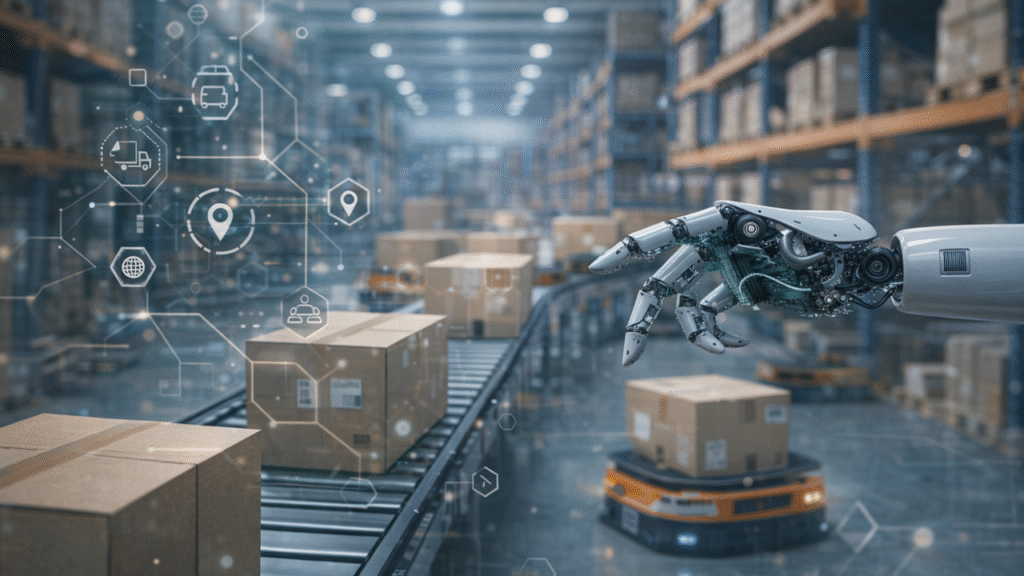
Physical AI refers to the integration of AI technologies into physical systems, such as robots and autonomous vehicles. Microsoft’s Supply Chain 2.0 leverages physical AI to automate various tasks within the supply chain, from inventory management to logistics. This integration not only improves efficiency but also reduces the risk of human error. Robotic Process Automation (RPA) automates routine tasks like data entry and inventory tracking, while autonomous vehicles optimize logistics operations. In warehouse environments, physical AI systems coordinate robotic fleets to efficiently pick, pack, and sort items, significantly reducing processing times and labor costs.
Industry Use Cases: Manufacturing, Retail, Logistics
Microsoft’s Supply Chain 2.0 is applicable across various industries, offering tailored solutions to meet the unique needs of each sector. In manufacturing, the platform helps optimize production schedules, reduce downtime, and improve quality control through predictive maintenance and process optimization. Retail businesses benefit from real-time inventory management, personalized marketing, and accurate demand forecasting. Logistics companies leverage route optimization, transportation cost reduction, and improved delivery times through autonomous vehicle integration and real-time tracking systems.
Market Adaptation and Compliance Considerations
As businesses adopt Microsoft’s Supply Chain 2.0, they must consider market adaptation and compliance with various regulations. This includes ensuring data privacy, adhering to industry-specific standards, and staying ahead of market trends. Microsoft addresses data privacy and security concerns through robust encryption, access controls, and compliance with regulations like GDPR and HIPAA. The platform also supports regional compliance requirements, enabling businesses to operate in multiple jurisdictions while maintaining regulatory adherence.
“The complexity of modern supply chains requires solutions that are not only technologically advanced but also adaptable to diverse regulatory environments. Our approach ensures that businesses can leverage cutting-edge technology while maintaining compliance across global operations.” — Microsoft Global Compliance Director
Technical Challenges and Future Trends
While Microsoft’s Supply Chain 2.0 offers numerous benefits, there are technical challenges that need to be addressed. These challenges include data integration, interoperability, and the need for skilled personnel. Data integration remains a critical hurdle, as businesses must ensure seamless connectivity between existing systems and the new platform. Looking ahead, future trends include increased adoption of edge computing for real-time processing, greater emphasis on sustainability tracking, and the development of more sophisticated AI algorithms for predictive analytics.
Impact on Supply Chain SaaS Platforms
Microsoft’s Supply Chain 2.0 is poised to have a significant impact on the supply chain SaaS market. By offering a comprehensive suite of solutions, Microsoft is likely to drive innovation and competition within the industry. The platform’s integrated approach challenges traditional point solutions, encouraging consolidation and interoperability among SaaS providers. As Microsoft establishes its presence in this space, competitors will need to enhance their offerings, potentially leading to improved features, better integration capabilities, and more competitive pricing across the market.
Source: www.microsoft.com
Compiled from international media by the SCI.AI editorial team.