According to news.un.org, escalating hostilities near the Strait of Hormuz have triggered immediate and widespread disruption across Asia-Pacific fuel and supply chains, with freight costs, energy prices, and fertilizer costs surging sharply.
Strait of Hormuz at a Standstill
The Strait of Hormuz — a maritime chokepoint carrying around a quarter of global seaborne oil trade, plus major volumes of liquefied natural gas and fertilizers — has seen ship transits fall dramatically. This near-halt has sent Brent Crude oil prices surging well above $100 per barrel, while transport and insurance costs have spiked in parallel. As Hamza Ali Malik, Director of Macroeconomic Policy Division at the UN’s Economic and Social Commission for Asia and the Pacific (ESCAP), stated:
“The most immediate economic impact…are considerable increases in freight costs and oil, gas and fertilizer prices.” — Hamza Ali Malik, Director of Macroeconomic Policy Division, ESCAP
Supply Chain Cascades Across Sectors
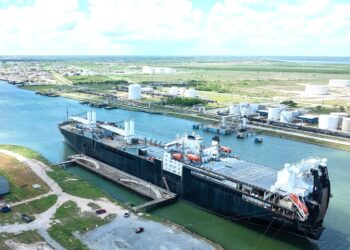
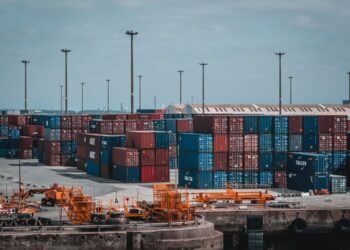
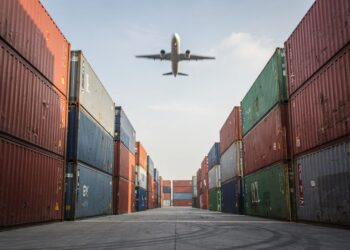
Disruptions are not confined to energy: shipping companies have suspended services to the Middle East, ports face container congestion, and at least 20,000 seafarers in the region are affected. Rupa Chanda, Director of Trade Division at ESCAP, confirmed:
“There are significant early signs of disruption to shipping routes,” — Rupa Chanda, Director of Trade Division, ESCAP
- A near-immediate crisis in semiconductor and advanced electronics production due to shortages of helium and specialised gases from the Gulf
- Disruptions to petrochemical feedstocks threatening manufacturing in major Asian economies
- Fertilizer shortages raising concerns about future crop yields across South Asia — home to nearly two billion people
Household and National Impacts Escalate
UN estimates show oil prices have risen around 45 per cent and gas 55 per cent since late February; fertilizer prices are up 35 per cent. Regional inflation could rise to 4.6 per cent in 2026, up from 3.5 per cent in 2025.
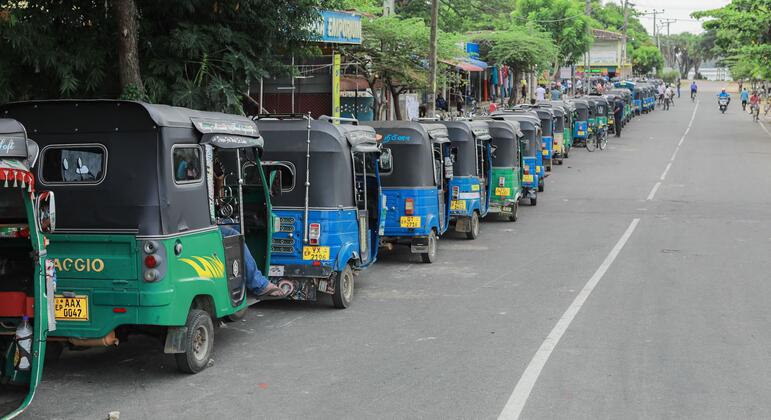
In Sri Lanka — where petroleum accounts for about a quarter of total imports — authorities imposed fuel rationing, cut public events, shifted schools to a four-day week, and scaled back public sector operations. In Pakistan, overnight fuel and grocery price surges led to long petrol station queues and measures including a four-day work week, school closures, and work-from-home mandates. Myanmar — already in crisis — faces strict fuel rationing that disrupts transport, businesses, and humanitarian operations. Gwyn Lewis, UN Resident and Humanitarian Coordinator ad interim, noted:
“These disruptions are adding new strain to an economy in Myanmar that was already under pressure.” — Gwyn Lewis, UN Resident and Humanitarian Coordinator ad interim
Migrant Workers and Remittance Economies at Risk
Nepal exemplifies the human dimension: more than 1.7 million Nepali migrants work in the Gulf, representing over 65 per cent of overseas labour migration. Remittances from the Gulf make up more than a quarter of Nepal’s GDP and support nearly 6 in 10 households. At least one migrant worker has been killed and dozens injured in the Gulf; tens of thousands remain stranded. Numan Özcan of the International Labour Organization (ILO) emphasized:
“This is not a distant crisis for Nepal. It’s very near and very personal.” — Numan Özcan, International Labour Organization (ILO)
ESCAP warns that if the crisis persists, growth across developing Asia-Pacific economies could slow to around 4.0 per cent in 2026, down from 4.6 per cent in 2025. Poverty, food insecurity, inequality, job losses, and displacement of migrant workers may intensify. Mitigation requires coordinated policy action — including targeted fiscal support, cash transfers, small business assistance, monetary tightening to manage inflation, and longer-term efforts to diversify energy sources, trade routes, and supply chains.
Source: news.un.org
Compiled from international media by the SCI.AI editorial team.