Executive Summary
In February 2026, Maruti Suzuki India Limited announced that its Gujarat plant’s in-plant railway siding has been officially registered as the World’s First Modal Shift Transportation Project under the Verified Carbon Standard (VCS) program of Verra. This milestone positions the company at the forefront of sustainable logistics by successfully monetizing environmental responsibility through the world’s largest voluntary carbon credit registry.
Modal Shift: The Carbon Reduction Revolution from Road to Rail
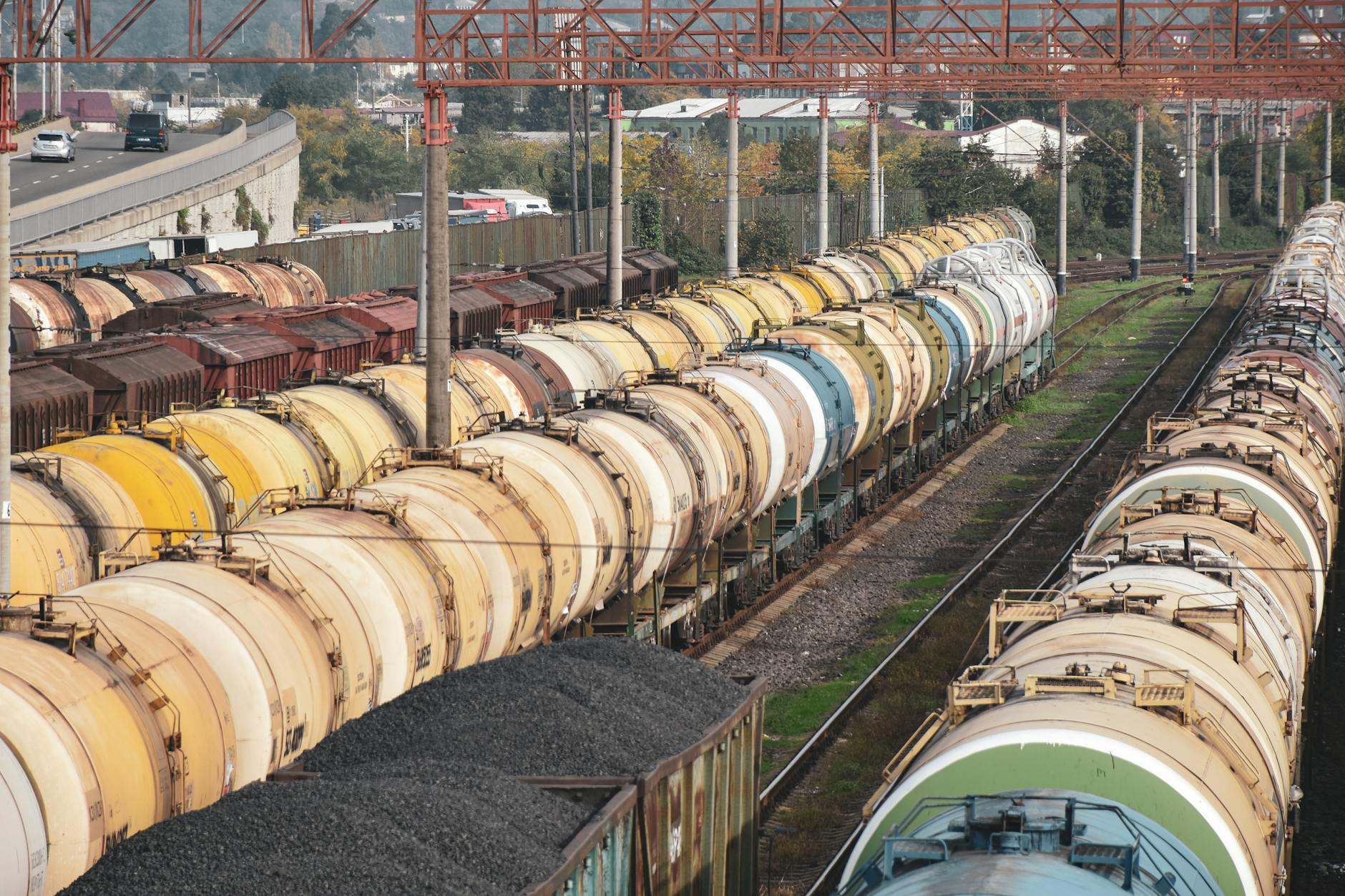
Maruti Suzuki’s Gujarat facility achievement represents a major breakthrough in logistics industry decarbonization. By shifting finished vehicle transportation from road trucks to rail transport, the project achieved significant carbon emission reductions.
Key Data:
- World’s first VCS-registered modal shift transportation project
- Carbon reduction achieved by replacing road transport with rail
- Carbon credits can be traded and monetized through Verra registry
- Sets new benchmark for automotive logistics decarbonization
Business Value of Carbon Credit Monetization
The core innovation of this achievement lies in transforming environmental responsibility into quantifiable economic value. Through VCS registration, Maruti Suzuki can:
- Generate tradable carbon credit allowances
- Sell credits in voluntary carbon markets for revenue
- Offset carbon emissions from other company operations
- Enhance ESG ratings and investor attractiveness
ESG Compliance and Supply Chain Resilience
Against the backdrop of EU CSRD, CBAM and other regulations taking effect in 2026, Maruti Suzuki’s case demonstrates how enterprises can simultaneously achieve through innovative logistics models:
- Scope 3 emission reduction (supply chain emissions)
- Reduced compliance costs
- Improved operational efficiency (rail transport is more stable and reliable)
- Enhanced brand value
Industry Impact and Replication Potential
Maruti Suzuki’s success provides a replicable blueprint for other manufacturing enterprises:
- Assess Existing Logistics Network: Identify transport routes that can shift from road to rail
- Invest in Infrastructure: Build or upgrade in-plant railway sidings
- Carbon Accounting and Verification: Collaborate with agencies like Verra for project registration
- Monetization Strategy: Develop carbon credit trading or internal use plans
2026 Green Logistics Trends
The Maruti Suzuki case reflects three major trends in 2026 green logistics:
- Multimodal Transport Renaissance: Low-carbon transport modes like rail and waterways are regaining importance
- Carbon Assetization: Carbon reduction is shifting from cost center to profit center
- Supply Chain Transparency: End-to-end carbon footprint tracking is becoming standard
Implications for Chinese Enterprises
For Chinese manufacturing enterprises advancing “dual carbon” goals, Maruti Suzuki’s experience shows:
- Green logistics investments can generate direct economic returns
- Carbon credit markets provide new revenue streams for enterprises
- Early movers will gain competitive advantages and voice
As global carbon pricing mechanisms improve and Carbon Border Adjustment Mechanisms (CBAM) are implemented, the economic value of modal shift logistics projects will become even more prominent.