As we move into the future, warehouse automation is poised for significant growth driven by software intelligence, artificial intelligence (AI), and robotics. Innovations in auto-traying systems, inbound automation through robotic de-palletizing, and flexible subscription models such as Robotics-as-a-Service are reshaping the industry. This analysis explores these trends with deep insights into their implications.
Native Case Handling: Innovations in Auto-Traying and Case-to-Shelf Systems
In the fast-evolving landscape of warehouse automation, native case handling technologies are emerging as key players, transforming how goods move from receipt to storage. With advancements like auto-traying systems, warehouses can now streamline their inbound operations with greater efficiency than ever before. These automated solutions not only reduce manual labor but also enhance accuracy and speed in the processing phase.
Moreover, case-to-shelf systems are revolutionizing how items are stored within a warehouse environment. By automating the storage process, these systems allow for precise placement of goods directly onto shelves or into designated storage areas. This minimizes human error and maximizes space utilization, leading to more efficient inventory management. The integration of auto-traying and case-to-shelf technologies is indicative of how automation can transform the logistics sector by addressing specific challenges in warehousing operations.
Inbound Automation: A Major Investment Area
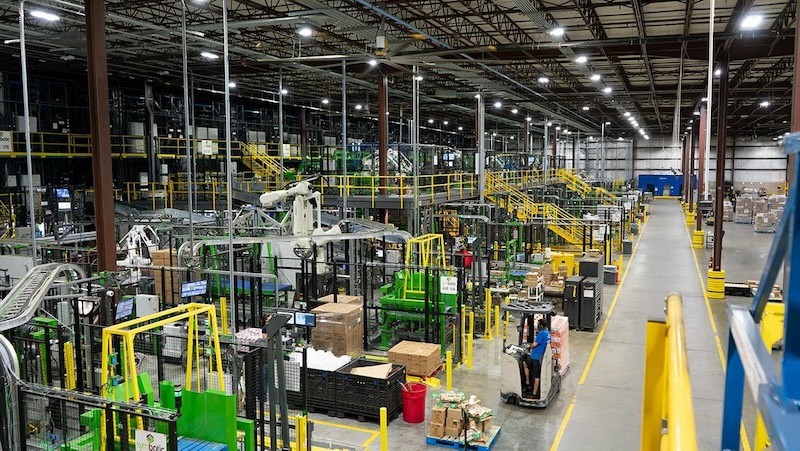
Robotic de-palletizing has become a significant investment area for many warehouses looking to optimize their inbound processes. These systems use advanced robotics and AI vision technology to handle goods with precision, reducing the need for manual labor and minimizing errors in sorting and stacking. The integration of these technologies not only speeds up the receipt process but also ensures that items are correctly placed into storage.
In addition to de-palletizing robots, warehouse automation is now incorporating autonomous mobile robots (AMRs) that can navigate complex environments without human intervention. These AMRs use sophisticated navigation systems and AI algorithms to transport goods from one area of the warehouse to another with minimal supervision. This technology has seen a surge in popularity due to its ability to increase throughput while reducing operational costs.
Robotics-as-a-Service (RaaS): Democratizing Automation
The introduction of Robotics-as-a-Service (RaaS) is fundamentally altering the way mid-sized warehouses can access and benefit from advanced robotic technologies. This model allows companies to lease or subscribe to robotic services, which significantly lowers the initial investment barrier typically associated with automation projects. By adopting RaaS, businesses can enjoy the benefits of automation without the upfront capital expenditure.
This democratization is crucial for smaller enterprises that might otherwise be unable to invest in expensive automated systems due to financial constraints. With flexible subscription models, companies can scale their robotic workforce according to demand and operational needs, making warehouse automation more accessible than ever before. As a result, RaaS is not just a trend but a necessary evolution for the industry.
Software Leadership: WES Platforms Connect Everything
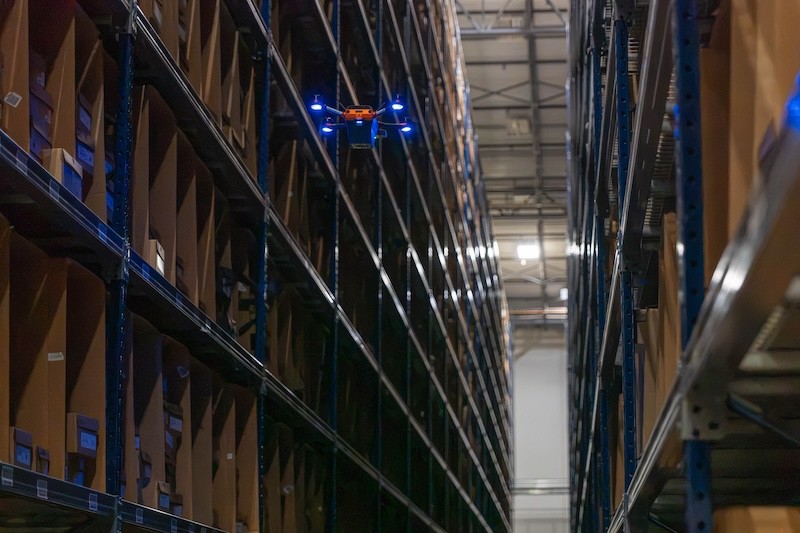
In an era where hardware has been overshadowed by software innovation, Warehouse Execution Systems (WES) have become indispensable in managing and optimizing warehouse operations. These platforms act as central hubs that integrate ERP systems, WMS solutions, robotics, and IoT devices into a cohesive network. By doing so, they enable real-time monitoring of warehouse activities and provide actionable insights for operational efficiency.
Moreover, the predictive capabilities embedded within these software solutions allow warehouses to anticipate potential bottlenecks or issues before they occur. This proactive approach not only enhances productivity but also ensures that operations run smoothly without unexpected interruptions. The synergy between hardware and software is crucial in driving the next phase of warehouse automation, making WES platforms a cornerstone for future growth.
Artificial Intelligence: A Force Multiplier
The role of artificial intelligence (AI) in modernizing warehouses cannot be overstated. AI-driven solutions have become force multipliers that enhance every aspect of warehousing operations—from predictive maintenance to smart orchestration and vision systems. Predictive maintenance algorithms analyze data from sensors and equipment to forecast when repairs or replacements might be needed, thereby reducing downtime.
Smart orchestration tools use machine learning to optimize the flow of goods within a warehouse, ensuring that resources are used efficiently while minimizing delays. Vision systems powered by AI enable robots to identify, sort, and handle items with high precision, further streamlining operations. These advancements underscore how AI is not just a technological trend but a transformative force shaping the future of warehousing.
Robotic Arm Programming: Simplifying Complexity
The complexity associated with programming robotic arms has traditionally been a barrier to adoption in many warehouses. However, recent developments have made it easier than ever for non-experts to program and operate these systems. Low-code interfaces are being introduced that require minimal coding skills, making it possible for operators without extensive technical backgrounds to configure robotic arms according to specific needs.
Additionally, the use of digital twins—a virtual replica of a physical object—has simplified the process of testing and refining robotic operations before deployment in real-world settings. This approach not only reduces errors but also accelerates the implementation timeline, making advanced robotics more accessible to a broader range of warehouses.
Source: Hy-Tek Intralogistics