The Strategic Adoption of Agility Robotics’ Digit in Toyota’s Manufacturing Process
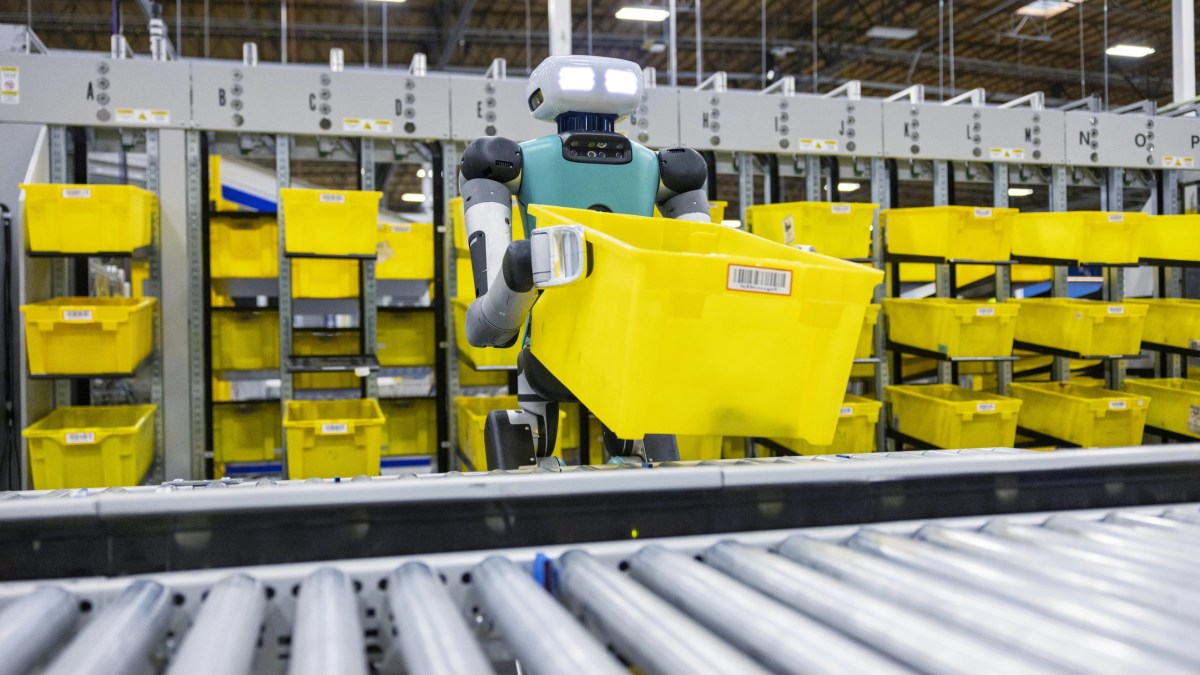
Toyota Motor Manufacturing Canada Inc. (TMMC) has made a groundbreaking move by contracting seven Digit humanoid robots from Agility Robotics for its Canadian factory. This decision follows a year-long pilot project that assessed the potential benefits and challenges of integrating these advanced machines into the manufacturing process, particularly in the context of unloading totes full of auto parts from automated warehouse tuggers. The implementation of these robots marks a significant step towards enhancing operational efficiency and automating tasks traditionally performed by human labor.
The selection of Digit was not arbitrary; TMMC’s President Tim Hollander stated that they evaluated multiple robot options before settling on Agility Robotics’ product. This thorough vetting process underscores the importance Toyota places on ensuring the highest standards for their manufacturing operations. The decision to employ these robots is part of a larger trend in the automotive industry towards automation, driven by the need for increased productivity and reduced costs.
Agility Robotics: Pioneering Humanoid Technology
Founded in 2015 as a spin-off from Oregon State University, Agility Robotics has emerged as a leader in humanoid robotics technology. The company’s flagship product, the Digit robot, is specifically designed for industrial environments where it can perform tasks such as moving materials and interacting with warehouse systems. Agility Robotics’ approach to deploying these robots includes a cloud-based software called Arc, which facilitates fleet management and ensures that all robots are operating at optimal efficiency.
The company’s commitment to innovation is evident in its ongoing development of next-generation robots designed to operate safely alongside humans without the need for physical barriers or safety cages. This represents a significant advancement in industrial robotics, as it allows for more flexible and efficient operations within factory settings. Agility Robotics currently has Digit robots deployed at various companies including GXO Logistics, Schaeffler, and Amazon, showcasing its wide applicability across different sectors of industry.
Cost Considerations: Deployment Costs and ROI Analysis
One critical aspect of adopting humanoid robotics in manufacturing is the cost involved. While the initial purchase price of robots like Digit can be significant, Agility Robotics CTO Pras Velagapudi points out that deployment costs often exceed the price tag of the robots themselves. These additional expenses include training staff to work with the new technology, modifying factory layouts to accommodate the robots, and implementing software systems for effective management. Despite these upfront costs, the long-term benefits can be substantial.
The return on investment (ROI) from humanoid robotics is primarily realized through increased efficiency and reduced labor costs over time. Robots like Digit are capable of working around the clock without breaks or overtime pay, leading to a more consistent production process. Furthermore, the precision and speed offered by these machines result in fewer errors and less waste, further enhancing profitability.
Competitive Landscape: A Flourishing Market for Humanoid Robotics
The success of Agility Robotics and its Digit robots is part of a broader trend toward increased automation using humanoid robotics. Competitors like Figure AI, Unitree, Tesla, Boston Dynamics, 1X Technology, and Reflex Robotics are all developing their own versions of humanoid machines designed for industrial use. Each company brings unique features to the table; for example, Figure AI tested its Figure 02 robot at BMW, where it successfully unloaded over 90,000 parts in a ten-month period.
Unitree has set ambitious goals for production and deployment of humanoid robots, aiming to ship 20,000 units in 2026. This level of ambition indicates the growing confidence in the market’s potential for humanoid robotics. Companies are not only focusing on technological advancements but also on building robust ecosystems that support widespread adoption across various industries.
Real-World Integration: Key to Successful Deployment
The deployment of humanoid robots in industrial settings is more than just about the technology; it involves understanding and adapting to real-world workflows. According to Cambridge Consultants VP Ram Devarajulu, comprehending these workflows is essential for successful adoption of robotic systems. This means that companies like Toyota must work closely with robotics providers to ensure that the robots integrate seamlessly into existing operations.
To achieve this integration, manufacturers often require significant customization and ongoing support from the robot vendors. Training programs for employees on how to interact with these machines are also crucial. The ability of human operators to effectively communicate and coordinate with humanoid robots can greatly influence overall productivity and efficiency in a factory setting.
The Future of Manufacturing: Humanoid Robotics at the Forefront
As Toyota’s adoption of Digit robots demonstrates, the future of manufacturing is increasingly being shaped by advanced robotics technologies. The integration of humanoid robots into industrial processes represents not just an enhancement but a transformation in how factories operate.
This trend towards automation and robotics has profound implications for workforce dynamics, operational efficiency, and overall productivity within the automotive industry and beyond. As these technologies continue to evolve, they are likely to play a central role in shaping the future of manufacturing globally.
Source: techcrunch.com