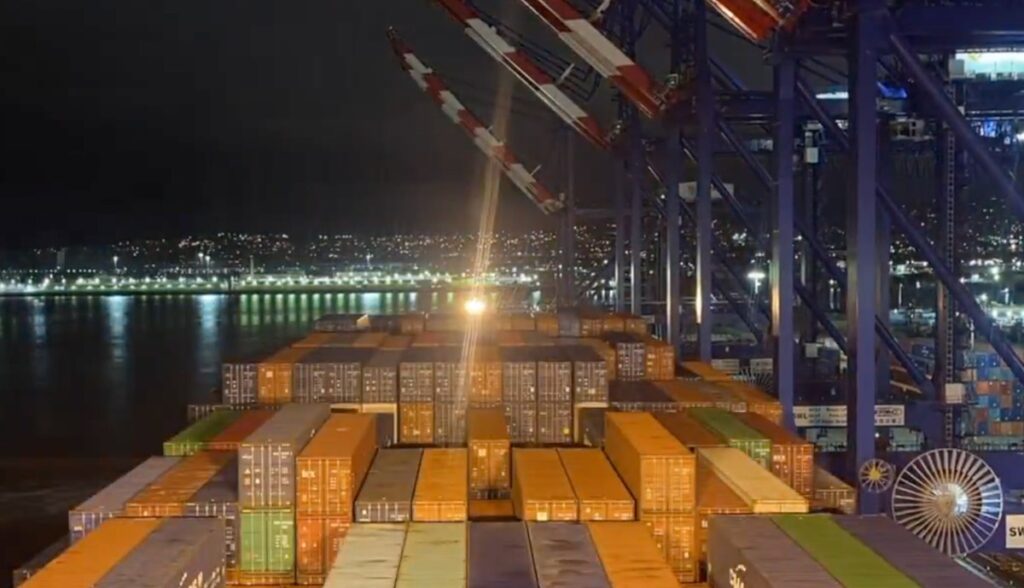
ILA Threatens Strike at East Coast and Gulf Ports on October 1st
The International Longshoremen’s Association (ILA) has threatened to strike at ports along the East Coast and Gulf of Mexico on October 1, which could disrupt commercial activities nationwide. The contract between the ILA and the United Maritime Alliance (UMX), covering approximately 45,000 workers in over thirty ports along the Gulf of Mexico and East Coast, expires on September 30.
The U.S. Department of Labor is urgently working to reach an agreement to avoid economic chaos caused by a strike, especially as businesses are preparing for holiday season inventory. However, it has been reported that negotiations between the ILA and UMX have reached an impasse, increasing the likelihood of disruptive strikes in the coming weeks.
So, what about North Carolina? We have two commercially significant ports: Port of Wilmington and Port of Morehead City. Although the North Carolina Ports Authority is not a party to the contract between the ILA and UMX, according to Laura Blair, Vice President of NC Ports, they have prepared contingency plans.
Technically, no ILA members work directly for the North Carolina Ports Authority, but this does not mean there are no ILA members on the docks. Third parties typically manage operations at our ports, including a mixed workforce within the state.
The Carolina Journal contacted the ILA to find out how many members currently work in North Carolina’s ports. Unfortunately, the ILA and its officials cannot be interviewed before the contract expires.
However, through a press release on September 25, the ILA pledged to handle all military cargo operations normally, regardless of any strike. Harold Dagget, President of the ILA, stated: “We continue our commitment not to let down the courage and service of our brave U.S. military soldiers; even if we are striking, we will proudly continue handling all military cargo.”
North Carolina’s Contingency Plans
“The North Carolina Ports Authority operates under a mixed operation model, which means there is both unionized and non-unionized work,” Blair said in an email to the Carolina Journal. “Since we are not directly involved in the negotiations, I cannot speculate on [the impact on North Carolina]. We have been preparing contingency operational plans for potential work stoppages.”
These plans mean that container operations at Port of Wilmington could be significantly affected by a work stoppage. Port of Morehead City focuses on different types of cargo and (presumably relies less on the ILA) does not require such plans.
“Anticipating possible work stoppages along the East Coast and Gulf of Mexico on October 1, the North Carolina Ports Authority has developed the following contingency plan for Port of Wilmington,” the introduction to the plan states, notably emphasizing “the North Carolina Ports Authority will recognize any and all work stoppages.”
According to the plan, the South (container) gate at Port of Wilmington will operate normally from 7 AM to 6 PM on September 30, the day before the contract expires. After that, if a strike occurs, operations at Port of Wilmington will significantly change.
Firstly, this important container gate will close. If work stoppages occur, other emergency measures for Port of Wilmington are as follows (highlighted sections):
- All vessels must complete their work and leave the Port of Wilmington by 11:59 PM on Monday, September 30.
- Without prior approval, no vessel will dock at Port of Wilmington after the strike begins.
- Rail/intermodal cargo for affected carriers at Port of Wilmington will not be loaded or unloaded.
- All import shipments should be delivered by October 1, whether in free time or demurrage status.
- Once work stoppages begin, no shipments will be delivered from Port of Wilmington.
- There are no restrictions on receiving export cargo.
- Export cargo will be received when the gates at Port of Wilmington are open.
- The NC Ports Authority will not be responsible for damage or loss to goods left in terminals at Port of Wilmington during work stoppages.
- Docking fees will be suspended during work stoppages.
- NC Ports is unclear if there are provisions allowing monitoring or maintenance of refrigerated containers (reefers) during a strike between the ILA and UMX.
- The Charlotte Inland Port (CIP) will operate normally.
Impact
A major work stoppage could pose economic risks to North Carolina residents.
In recent years, the Port of Wilmington has increased its refrigerated storage capacity. The presence of cold treatment facilities enhances the value of port operations for North Carolina’s people and businesses by expanding the handling of fresh produce, frozen foods, and medical-grade goods like plasma supplies that require specific temperature control.
Enhanced capabilities mean more refrigerated containers (reefers) are passing through Port of Wilmington than ever before. If an ILA strike prevents monitoring or maintaining reefer units left on the docks, product losses could occur. As stated in the plan, NC Ports will not be responsible for these losses.
In addition to reefers, many other port activities will “freeze.” No cargo will be unloaded during a strike, meaning businesses relying on imported materials for manufacturing, food suppliers for local residents, or retail stores will be unable to replenish or build inventory.
Of course, the impact extends far beyond Wilmington’s contingency plans, affecting over thirty ports. Andy Ellen, President and General Counsel of the North Carolina Retail Merchants Association (NCRMA), is concerned that extended work stoppages at so many ports could lead to shortages and price increases, especially when businesses and consumers are least able to bear them.
Ellen stated in a statement to the Carolina Journal: “The impending strike by Gulf and East Coast port workers, including those at North Carolina’s Port of Wilmington, will have a devastating impact on the economy and consumers’ wallets. These 36 affected ports handle 41% of the nation’s containerized port volume. North Carolina retailers are very concerned that the strike could cause severe supply chain disruptions similar to what we saw in 2021, with product shortages and price increases on store shelves just as inflation is starting to ease off. Extended work stoppages will also significantly impact the fourth-quarter holiday shopping season.”
The supply chain disruption caused by pandemic policies in 2021, which closed or restricted manufacturing production and logistics resources, had a months-long economic impact, leading to shortages and inflation. As Ellen noted, potential ILA strikes are occurring just as inflation is starting to ease off.
The potential impacts of the strike are particularly interesting because North Carolina is an “employment-at-will” state, meaning public sector unions are prohibited, and individual union membership cannot be required as a condition of employment. Despite this, the current contract dispute between the ILA and UMX shows that North Carolina is not entirely immune to the negative effects of large-scale union activity.
Brian Balfour, Senior Vice President for Research at John Locke Foundation, said: “This story highlights the importance of maintaining North Carolina’s ’employment-at-will’ status. Without these protections, workers could be forced into unions and unwittingly become pawns in a battle between Big Labor and Big Business. The best way to protect this employment freedom is by enshrining it in North Carolina’s constitution.”
The final deadline for the ILA and UMX to reach an agreement to avoid a strike is 11:59 PM on September 30.
Source website: Carolina Journal –