Skip to content

ESG & Regulation · Green Supply Chain

Analysis

Bahri Q3 net profit jumps 10-fold to $1.4B on war-driven rates

Bahri, Saudi Arabia's largest shipping and logistics provider, posted a third-quarter net profit of 5.1 billion riyals ($1.4 billion), about 10 times the 513 million riyals reported a year earlier, driven by soaring freight rates during the Iran war. Tanker revenue also rose roughly tenfold on higher market rates and improved charter utilization. CEO Ahmed Al Subaey said several company vessels were attacked and two crew members were killed, describing an exceptionally complex operating environment. The conflict, which began with US and Israeli attacks on Iran in late February, led to the blockade of the Strait of Hormuz.

Original source: imarinenews.com

Bahri Q3 net profit jumps 10-fold to $1.4B on war-driven rates

Ask SCI.AI about this story

📋 本文要点

Bahri, Saudi Arabia's largest shipping and logistics provider, posted a third-quarter net profit of 5.1 billion riyals ($1.4 billion), about 10 times the 513 million riyals reported a year earlier, driven by soaring freight rates during the Iran war. Tanker revenue also rose roughly tenfold on higher market rates and improved charter utilization. CEO Ahmed Al Subaey said several company vessels were attacked and two crew members were killed, describing an exceptionally complex operating environment. The conflict, which began with US and Israeli attacks on Iran in late February, led to the blockade of the Strait of Hormuz.

According to imarinenews.com, Bahri, Saudi Arabia’s largest shipping and logistics services provider, reported a third-quarter net profit of 5.1 billion riyals ($1.4 billion), roughly 10 times the 513 million riyals posted in the same period last year, as war-driven freight rates lifted its tanker business.

Tanker revenue climbs roughly tenfold

The profit surge, announced on October 28, was matched by the company’s tanker segment, where revenue also increased about tenfold. Bahri attributed the gain to higher market rates and improved charter utilization during the quarter.

The results land in an exceptionally volatile period for Gulf shipping. In late February of this year, the US and Israel launched attacks against Iran, sparking a regional war that led to the blockade of the Strait of Hormuz, the waterway through which much of the region’s crude oil moves.

In recent months, oil tankers passing through the strait have come under attack, yet crude oil exports from the Gulf region have continued to rise, according to the report. That combination of elevated risk and resilient volumes has pushed freight rates sharply higher.

Vessels attacked, two crew members killed

The conflict has come at a direct human cost to Bahri. CEO Ahmed Al Subaey said in the announcement that several of the company’s vessels were attacked during this period and that two crew members were killed in the incidents.

“An exceptionally complex operating environment.” — Ahmed Al Subaey, CEO of Bahri

Bahri has long assisted Saudi Aramco, the Saudi national oil company, in expanding crude oil exports through the Strait of Hormuz, placing it at the center of the region’s export logistics.

Aramco turns to ship-to-ship transfers

In September of this year, Saudi Arabia’s east-west oil pipeline was attacked and operations were briefly suspended. Since then, Aramco has been attempting to regain market share by conducting ship-to-ship transfers outside the Strait of Hormuz, primarily to supply crude oil to Chinese buyers.

More oil-producing countries are now exporting crude through the strait, with some fleets evading detection through military escorts or by turning off their positioning signals, according to the report. Total crude oil exports from the Gulf region have recovered to levels close to those seen before the conflict.

For Bahri, the quarter illustrates how conflict risk and freight economics have become intertwined: the same disruptions that exposed its crews to attack also drove the $1.4 billion quarterly profit and the roughly tenfold revenue increase in its tanker business.

Source: imarinenews.com

Compiled from international media by the SCI.AI editorial team.

Ask SCI.AI Finished reading? Continue with SCI.AI. Explore the related policy, route, company and historical context. Continue asking
Stay ahead of supply chain shifts

One email a week: the stories that matter and new risk events — in English, free.

Prefer RSS? Articles Risk events

Ecuador banana exporters launch first carbon footprint measurement
ESG & Regulation

Ecuador banana exporters launch first carbon footprint measurement

The Ecuadorian Banana Exporters' Association (AEBE) opened the 23rd Banana Time Guayaquil on October 28, drawing more than 90 exhibitors, over 100 brands, and 29 international experts to the Hilton Colón Hotel under the slogan "Connecting for growth." Running through October 30, the event is the first Latin American banana sector gathering to measure its carbon footprint, with AEBE and partner Sambito collecting greenhouse gas data. Ecuador, the world's leading banana exporter, generates about 250,000 direct jobs in the industry, and AEBE represents more than 70% of the country's banana-exporting companies. The technical program covered productivity, plant health, and export costs including EUDR compliance.

VF net income rises 50% as Q2 revenue falls 4%
ESG & Regulation

VF net income rises 50% as Q2 revenue falls 4%

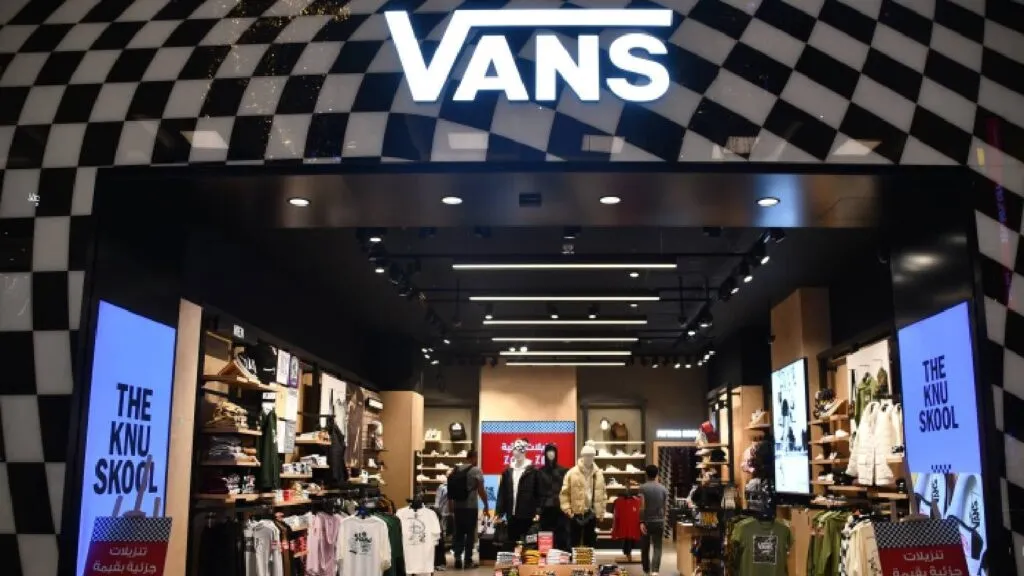
VF Corporation lifted net income 50% in the second quarter of fiscal 2027 even as revenue fell 4%, according to www.just-style.com. Growth at The North Face and Timberland offset a 10% revenue decline at Vans, with lower costs driving the profit gain. The results, reported on October 29, 2026, show margin discipline replacing topline expansion as the group's earnings engine, while the skate-footwear brand remains the portfolio's principal drag.

MIT survey: 83% of firms rank sustainability as key to success
ESG & Regulation

MIT survey: 83% of firms rank sustainability as key to success

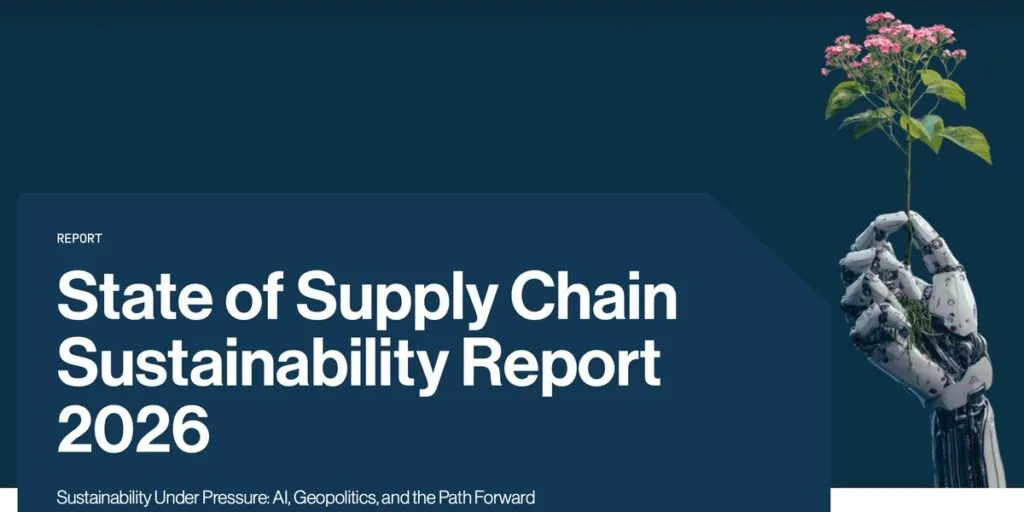
A new MIT survey of 1,810 supply chain professionals across 91 countries finds that 83% rate sustainability as important or very important to long-term business success, the highest level in the report's seven-year history. Yet governance lags: only 51% of companies with public sustainability goals have a formal cross-functional team, and just 33% place oversight at board level. Nearly 70% say tariff uncertainty forced them to delay or scale back sustainability strategies, while more than eight in 10 say geopolitical conflict is reducing the effectiveness of climate action.

Welcome Back!

Login to your account below

Create New Account!

Fill the forms below to register

Retrieve your password

Please enter your username or email address to reset your password.

Scan to share via WeChat

Open WeChat and scan the QR code to share

QR Code

Add New Playlist