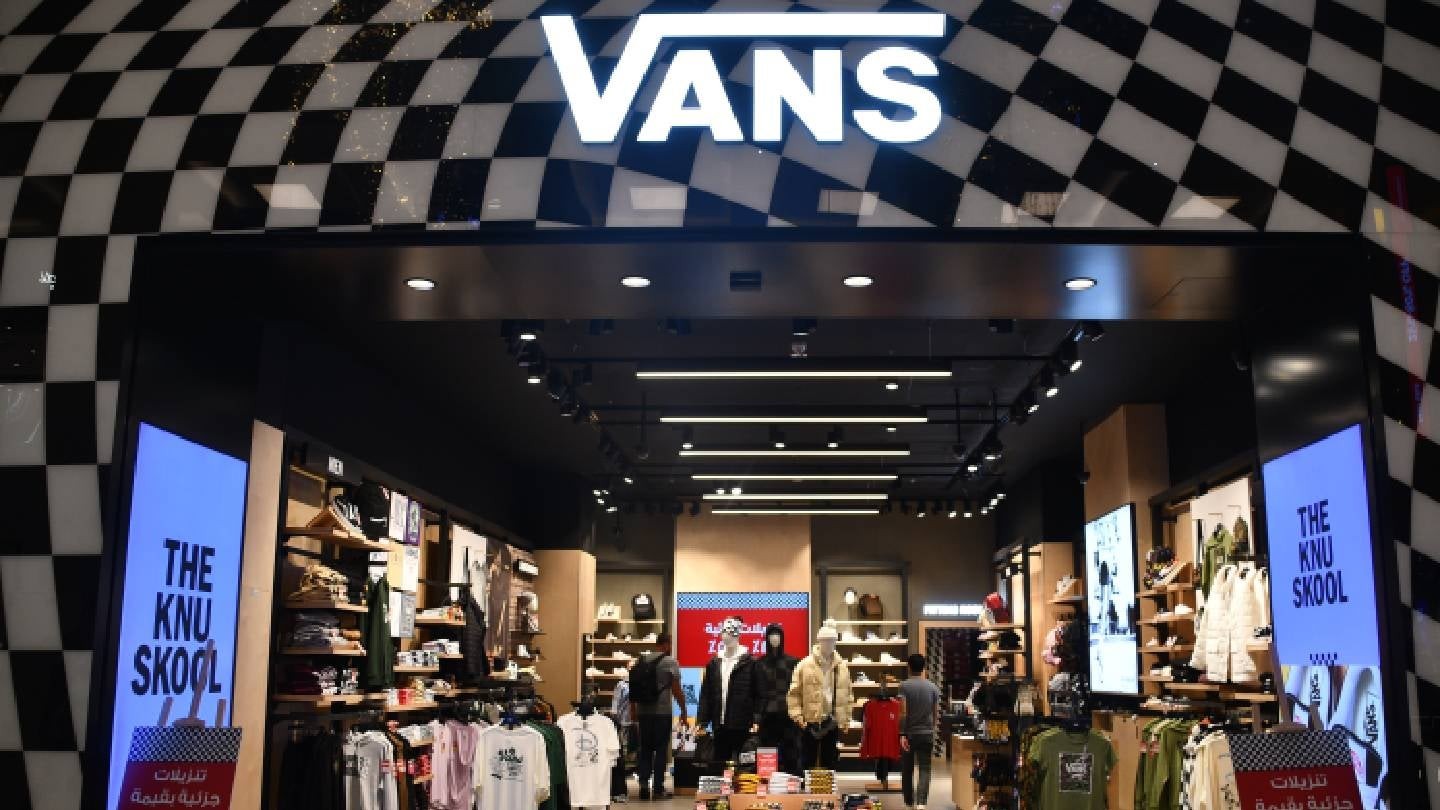
VF Corporation lifted net income 50% in the second quarter of fiscal 2027 even as revenue fell 4%, according to www.just-style.com. Growth at The North Face and Timberland offset a 10% revenue decline at Vans, with lower costs driving the profit gain. The results, reported on October 29, 2026, show margin discipline replacing topline expansion as the group's earnings engine, while the skate-footwear brand remains the portfolio's principal drag.
According to www.just-style.com, VF Corporation reported a 50% increase in net income for the second quarter of fiscal 2027 (Q2 FY27), even as revenue declined 4%, with lower costs and growth at The North Face and Timberland offsetting continued weakness at Vans.
Profit growth outpaces a shrinking top line
The quarter, reported on October 29, 2026, showed VF’s earnings climbing 50% year on year, a gain the company attributed to lower costs rather than stronger sales. The result marks a divergence between profitability and volume for the Denver-based apparel group, which owns a portfolio of outdoor and lifestyle brands.
Revenue for the period fell 4%, reflecting softer demand across parts of the portfolio. The company did not disclose an absolute revenue or net income figure in the report, leaving the percentage movements as the primary measure of the quarter’s performance.
The cost-driven profit improvement suggests VF is prioritizing margin discipline over topline expansion, a posture that carries trade-offs for brand investment and wholesale relationships in a soft apparel market.
The North Face and Timberland offset Vans decline
Growth at The North Face and Timberland helped counterbalance weakness elsewhere in the portfolio, according to the report. The two outdoor-focused labels provided the positive volume story in an otherwise contracting quarter.
Vans remained the principal drag, with revenue falling 10% in the second quarter. The slide extends the challenges at the skate-inspired footwear brand, which has weighed on VF’s overall performance.
The split performance illustrates how VF’s brand mix shapes its results: outdoor categories are holding up while the action-sports footwear business continues to lose ground with consumers.
Cost control carries the quarter
Lower costs were the decisive factor behind the 50% net income increase, the report states. With revenue down 4%, the profit gain came from expense reduction rather than sales leverage.
That dynamic places scrutiny on how sustainable the earnings improvement will prove if the topline continues to contract. VF has not, in this report, provided guidance figures or an absolute dollar value for the profit increase.
For suppliers and retail partners, the combination of a 10% decline at Vans and modest growth at The North Face and Timberland signals a reweighting of order volumes toward the outdoor brands.
What the Q2 FY27 numbers show
The quarter’s headline figures, as reported by www.just-style.com, are a 50% rise in net income, a 4% fall in revenue and a 10% drop at Vans. The report was published on October 29, 2026.
- Net income: up 50%
- Total revenue: down 4%
- Vans revenue: down 10%
- Growth contributors: The North Face, Timberland
VF’s Q2 FY27 outcome rests on cost reduction and outdoor brand strength rather than broad-based demand recovery, with the Vans turnaround still unresolved.
Source: Just Style
Compiled from international media by the SCI.AI editorial team.